





How far would you go for a selfie? What would you sacrifice for a viral TikTok video, or risk for the adrenaline rush of a dangerous experience that few people in the world ever attempt?
For a handful of likes on social media, a bet, a challenge, or simply for fun, Greeks and tourists, and not only the young, are gambling with their lives through activities and stunts that sound too reckless to be true, yet are happening across the country.
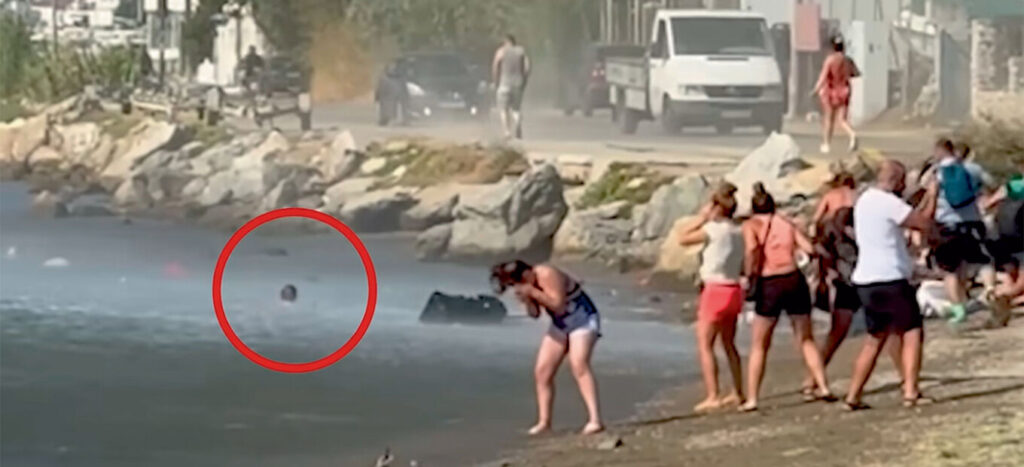
The serious injury of a 52-year-old Italian tourist at Skiathos, who was knocked down by the jet blast of a passenger aircraft taking off, has put the spotlight back on a wave of homegrown “extreme sports”: pastimes that offer the same thrill and equally dramatic footage as genuine extreme sports such as mountaineering or skiing, but without requiring any specialist equipment, training or permits.
These activities are sometimes referred to, half jokingly, as “Darwin’s choice”, a nod to Darwin’s theory that only the fittest survive. The label does little to deter Greeks and foreigners, young and old, from taking extraordinary risks for very little reward. So what are the most popular of these games and challenges in Greece?
Jet blast “surfing” and plane spotting
This is the activity that injured the 52-year-old woman at Skiathos. Spectators deliberately position themselves directly behind an aircraft before take-off so they are struck by the blast from its engines, gripping the perimeter fence or trying to stay upright against the force of the wind, turning it into a dangerous test of endurance.
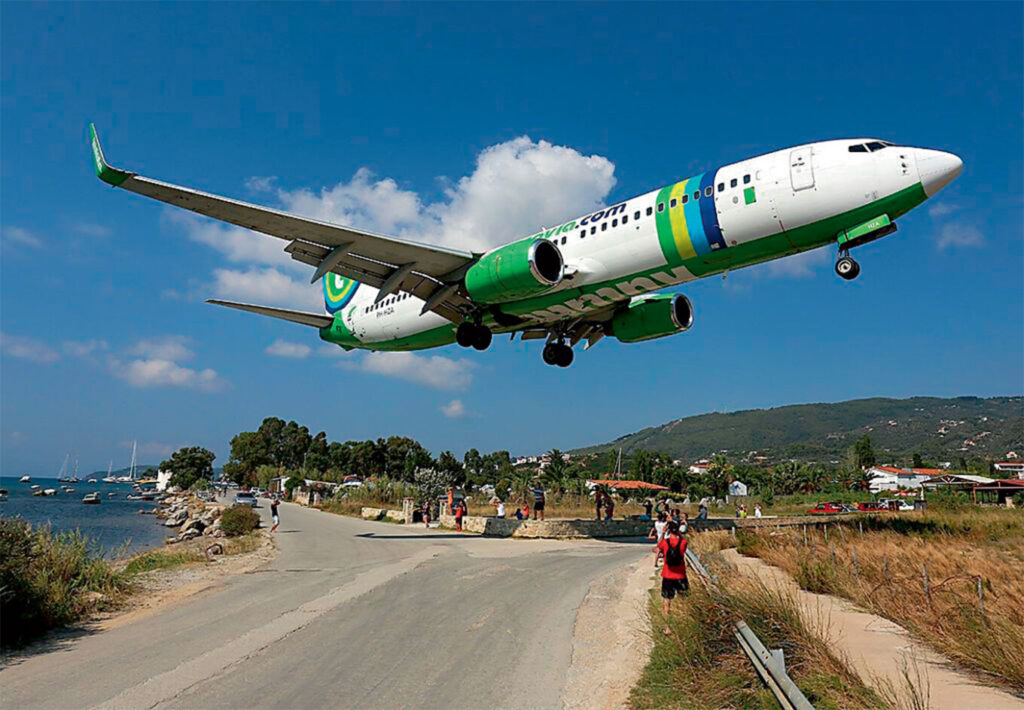
Injuries, usually to tourists, are recorded every year. Alternatively, plane spotters sit very close to the runway, waiting for aircraft to pass as low as possible overhead. Skiathos airport is famous worldwide among plane spotters because its short runway begins just a few metres from a public coastal road, letting tourists get within touching distance of landing aircraft, despite large warning signs in English reading “Danger, please keep away from aircraft blast” and a Greek-language sign warning, in translation, of danger and death. Authorities have covered the area with warning signs and road markings indicating safe viewing distances, to little effect.
Something similar happens with firefighting aircraft and helicopters. Plane spotters have repeatedly been seen approaching Canadair water bombers on jet skis or small boats while the planes scoop water, trying to touch them, or getting too close to Erickson firefighting helicopters as they draw water from swimming pools, tanks or lorries in built-up areas, all for a dramatic shot for social media.
Subway, tram and bus surfing
An extremely dangerous international trend that has taken hold in Athens, with young people climbing onto the outside of moving buses, tram carriages, suburban trains and metro trains, or onto their roofs and couplings. Beyond the tram network, other extreme and illegal practices have emerged purely for the risk or for footage to post on social media. Groups wait hidden on platforms or along the tracks. As a bus or train sets off, they jump on and cling to the rear windscreen wipers, stand between carriages or climb onto the roof. The risks are lethal: touching a high-voltage cable causes instant death, and there is a constant danger of being dismembered, striking a wall or ceiling, or falling and being run over by another vehicle.
Free solo mountaineering and deep water soloing
Free solo mountaineering and deep water soloing, sometimes called psicobloc, involve scaling vertical rock faces without ropes, harnesses or any safety equipment, relying purely on hands and feet. A single slip, cramp or crumbling handhold means an instant, fatal fall. This was the case on the same day as the Skiathos incident, when a young man became stranded on the island of Milos after climbing a 20 metre rock face he was then unable to descend. The sport is practised on sheer cliffs across Greece, including at Meteora and on Kalymnos, while deep water soloing, the same discipline performed above the sea, is popular on islands such as Kalymnos, Crete and Milos.
Escalator surfing and lift jumping
Another trend imported from abroad, now seen in large Athens shopping centres and metro stations. It involves young people jumping and sliding at speed along the outer handrail of escalators between floors. It has become particularly common on the metro, where losing balance risks a fall of several metres into the stairwell shaft and onto the concrete below.
Illegal urban highlining and slacklining
A narrow strap, or slackline, is stretched between two tall buildings, rooftops, or steep cliffs, including above Navagio, the famous Shipwreck beach on Zakynthos, or at Meteora. The most extreme participants attempt to walk across without a safety rope, known as free soloing the line, risking a fall into open space.
Roof topping and parkour
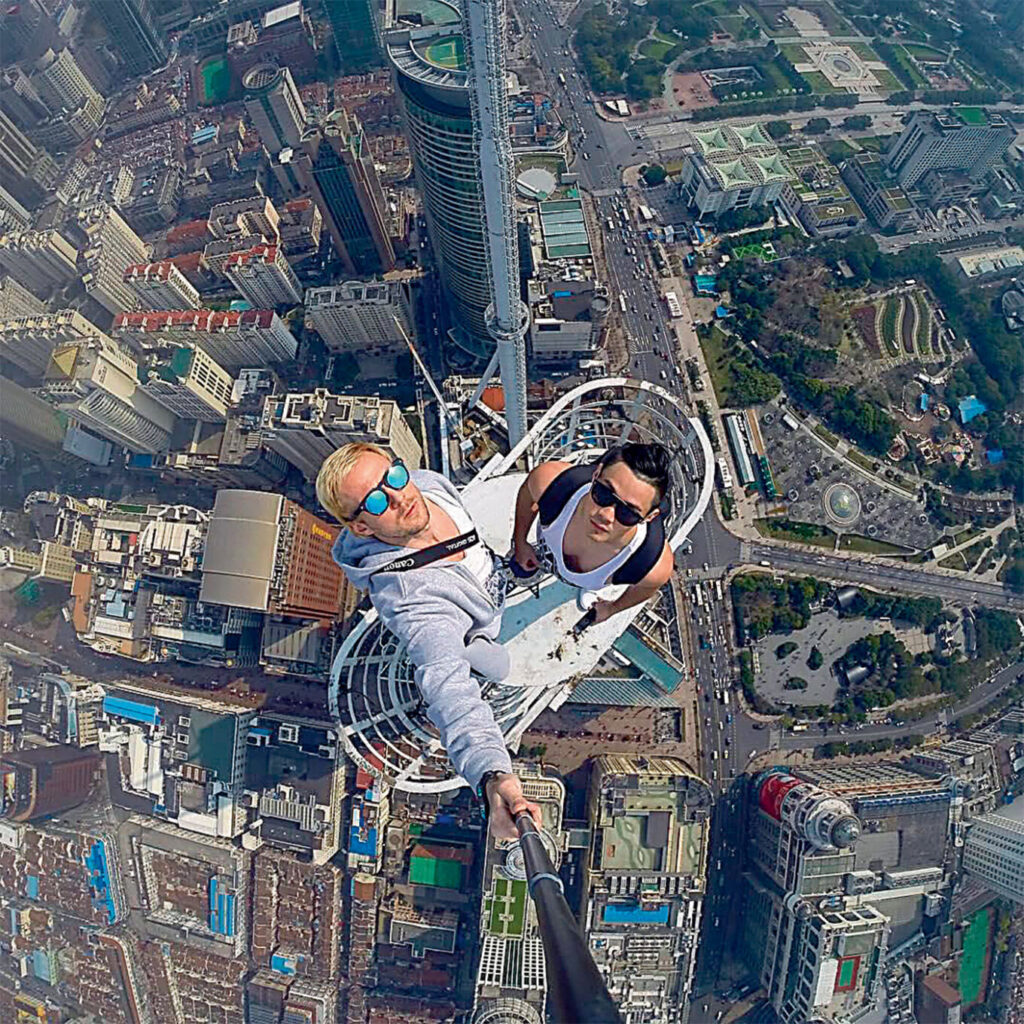
The most recent craze involves climbing to the edge of the tallest rooftops in Athens, or of hotels on the islands, without any protective equipment, with participants hanging over the drop by one hand to capture a photo or video. An older but related practice is parkour performed by minors in abandoned buildings or on the roofs of apartment blocks. In recent years three people, a 14-year-old and a 15-year-old in Thessaloniki and Istiaia, and an adult in Rethymno, have been injured after falling down apartment block light wells.
Urban downhill riding
Riders use mountain bikes or electric scooters to descend steep, narrow city streets and staircases, typically at night when traffic is light, in areas such as Plaka, Lycabettus hill in Athens, or the Kastra district of Thessaloniki, weaving between unsuspecting pedestrians, tourists and café tables.
Illegal night dives from the Chalkida and Corinth bridges
Despite strict bans, mostly during the summer months, young people jump from the old or new bridge at Chalkida, or from the bridges over the Corinth Canal, without using a bungee cord. Hitting the water from such a height is equivalent to hitting concrete unless the body is perfectly vertical, while the tidal currents of the Evripos strait at Chalkida can trap and drown a swimmer within seconds.
Skitching
Riders on skateboards, rollerblades or electric scooters approach moving buses, trolleybuses or lorries and grab onto the bumper or rear rack, letting the larger vehicle tow them through city traffic at speed.
Urban exploration of active infrastructure
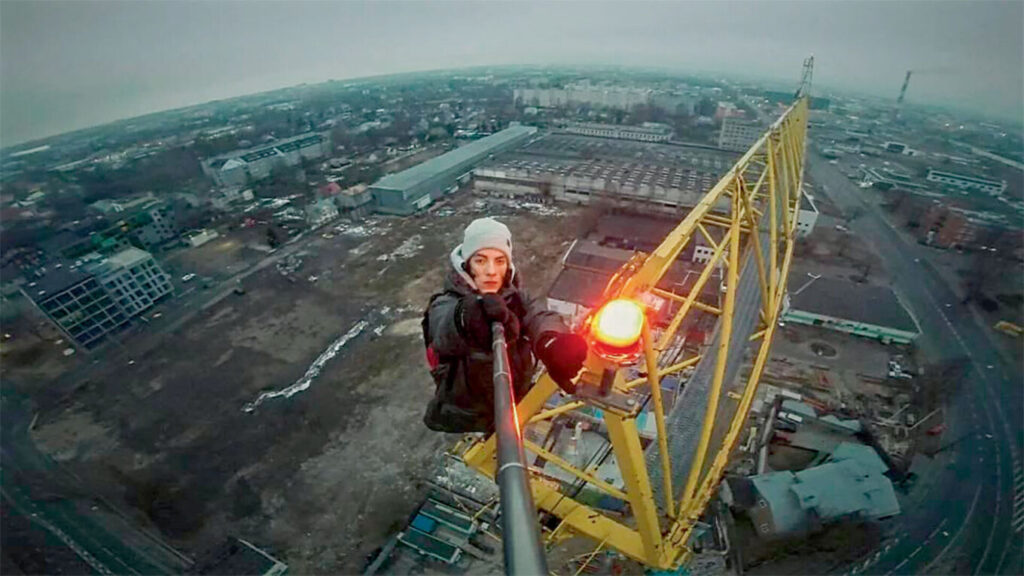
This involves trespassing into off-limits parts of the city such as construction cranes, abandoned factories, derelict buildings or working railway tunnels. The dangers include falls from great heights caused by crumbling materials, becoming trapped in the dark, and being struck by passing trains inside tunnels.
Balconing
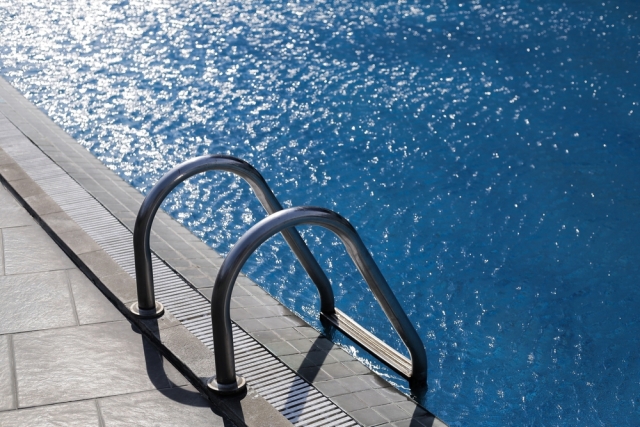
Mostly young tourists, often under the influence of alcohol, jump from their hotel balcony directly into the swimming pool below, or leap from balcony to balcony. It is one of the deadliest practices at Greek holiday resorts such as Malia, Laganas and Kavos. A small misjudgement of distance results in a fall onto concrete, causing instant death or permanent paralysis.
Risky cliff diving
Diving from unauthorised or uncharted high points, such as at Lake Vouliagmeni or the steep coastlines of Milos and Lefkada. Tourists and young locals often misjudge shallow water, rocks hidden beneath the surface, or sudden currents, leading to severe neck and spinal injuries.
Selfies in dangerous spots
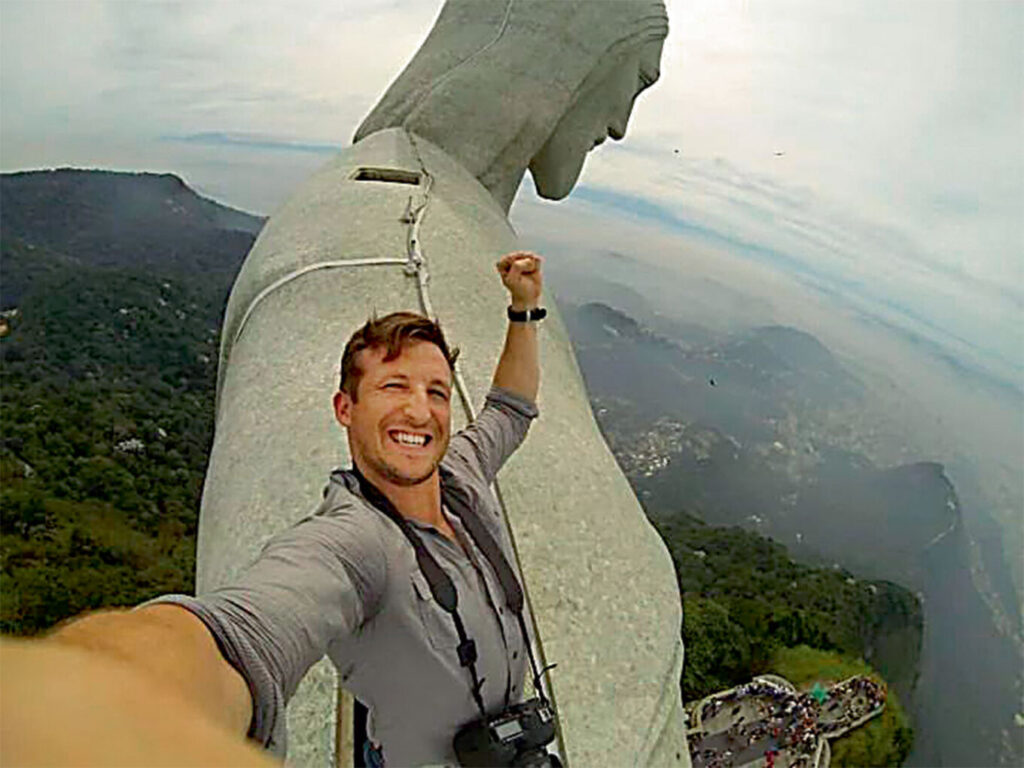
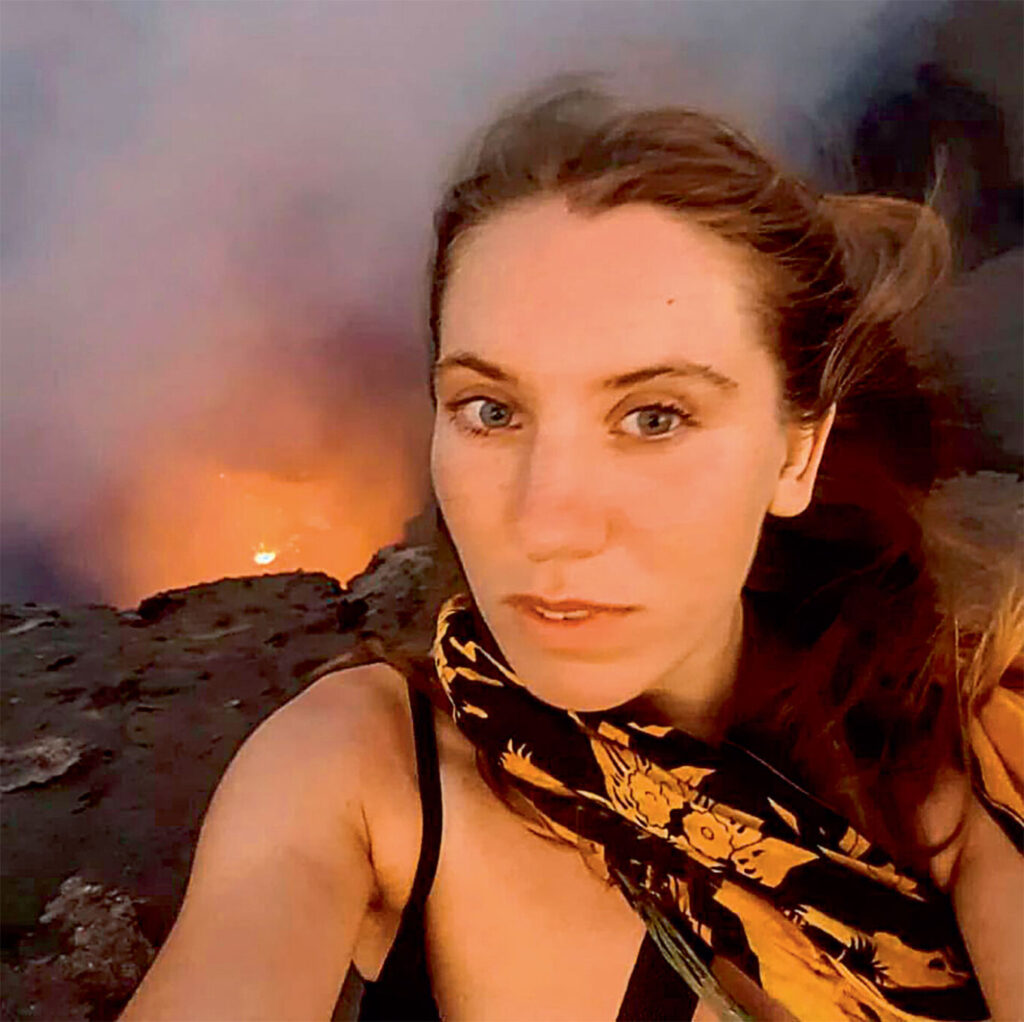
This involves attempting the “perfect” photograph at the edge of a cliff or in restricted zones at archaeological sites and landmarks, such as the cliff edge above Navagio beach on Zakynthos or the caldera rim on Santorini. Losing balance, or the ground or rock giving way, has led to fatal falls of hundreds of metres. Fatalities have been recorded at Navagio for the sake of a single photograph.
Wake surfing and bow riding
Every large ship captain’s nightmare: young people with little sense of danger approach moving tankers, bulk carriers and container ships on jet skis or speedboats, chasing their wake or surfing the bow wave.
The first practice, known internationally as wake jumping or ship wake riding, and in riders’ slang as wake hunting when performed close to the bow or sides of large vessels, involves deliberately approaching moving passenger ships, tankers or cargo vessels and using the huge waves they leave behind as natural ramps, building up speed, hitting the wave at an angle and launching into the air to perform tricks. The second, bow riding, involves positioning directly in front of a ship’s bow to surf its wave with minimal effort, or simply for the extreme sensation of being chased by a metal giant.
Ask me anything
Explore related questions




