





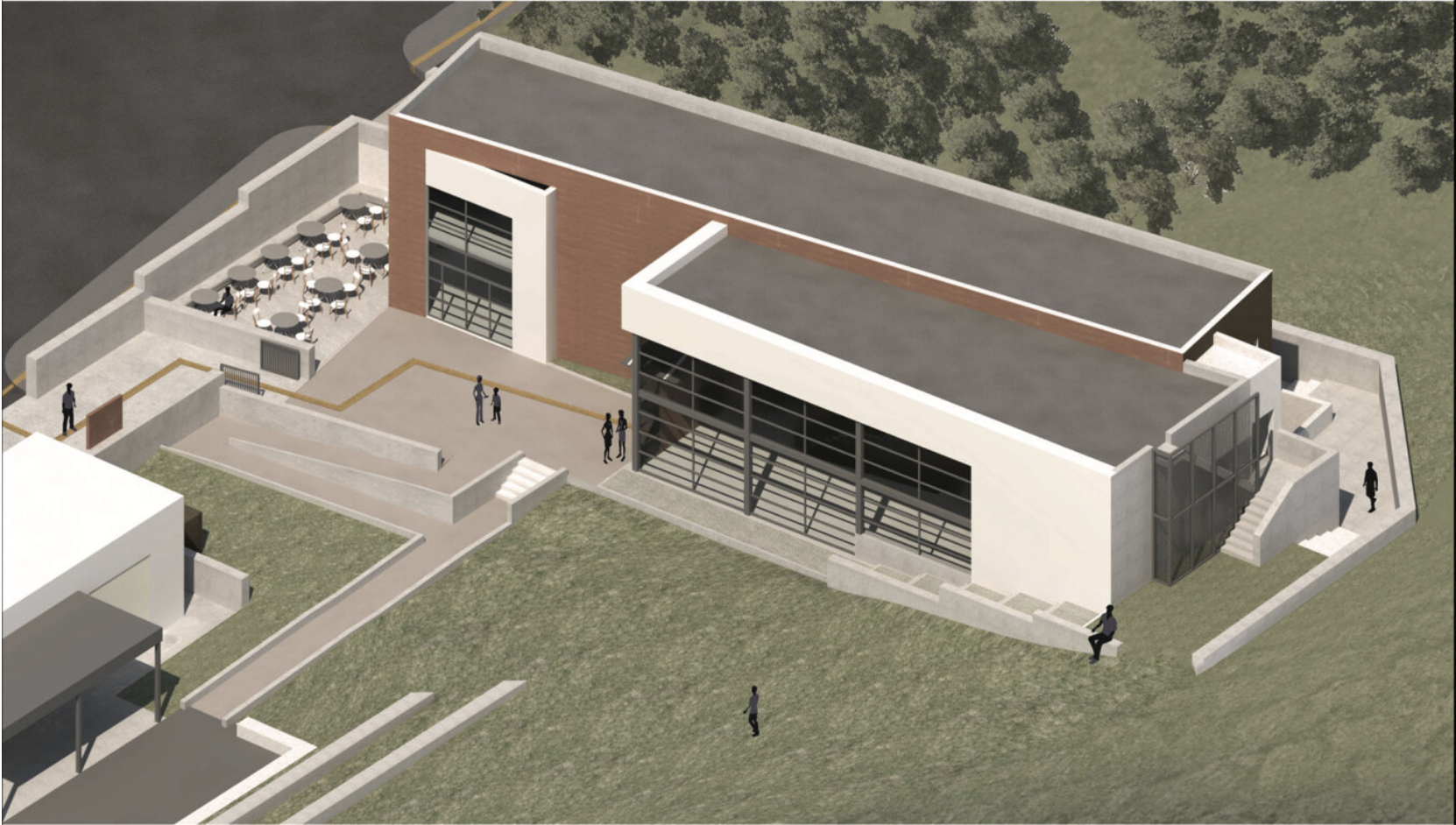
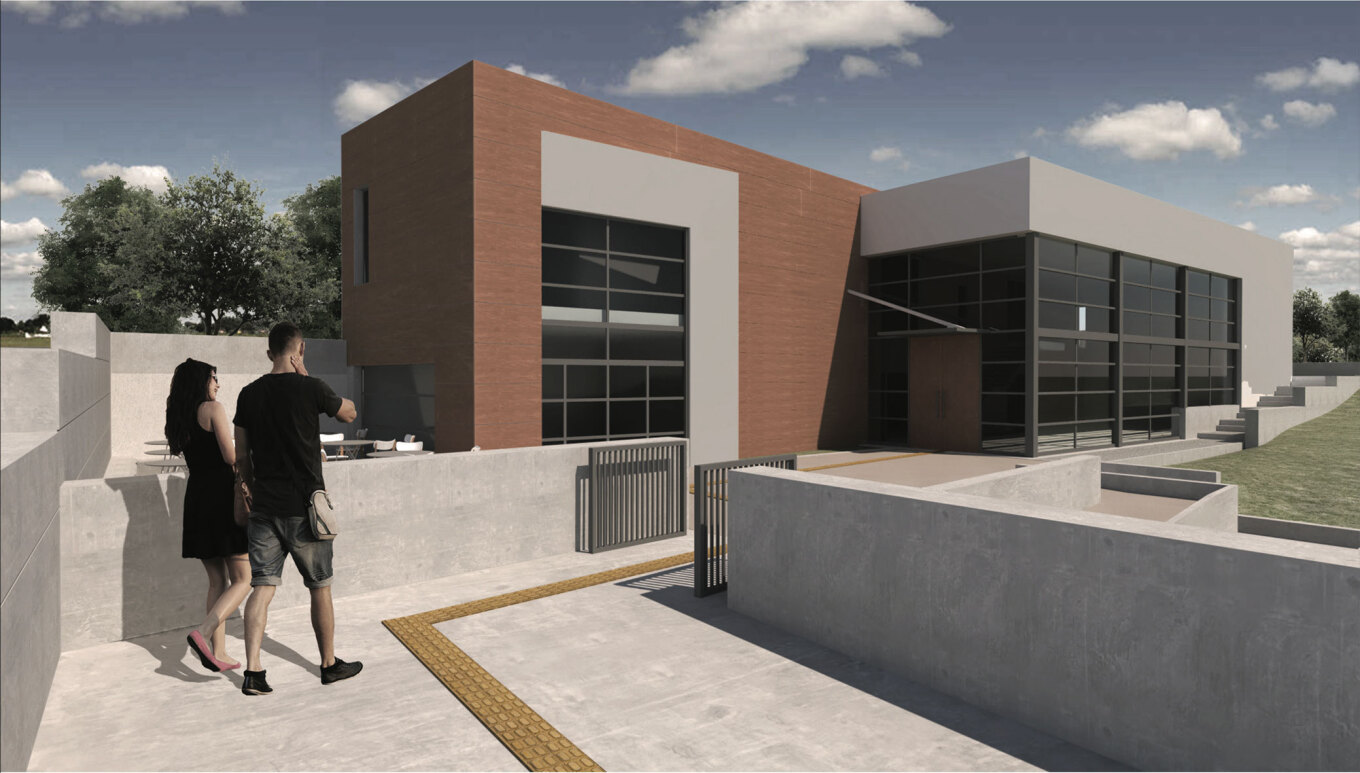
The Archaeological Museum of Kilkis is set for a major upgrade through a program by the Ministry of Culture, which includes the modernization of its existing building, the necessary studies, the safe reinstallation of its collections, and an expansion onto an adjacent plot transferred by the Ministry of Rural Development. The aim is to create a modern cultural space for the wider region and significantly improve the visitor experience.
As part of the Museum’s reinstallation, the necessary interventions are being promoted to ensure the safety of its important archaeological exhibits. Among them is the Kouros of Evropos, one of the most significant pieces in the collection. A specialized structural support and seismic protection study is planned to ensure its safe display and preservation.
The statue is a life-size male figure, 1.86 meters tall, and an important example of the Late Archaic period. It is made of Thasian marble and depicts a nude male figure standing frontally, with his left leg slightly forward and his anatomical features rendered in a simplified manner.
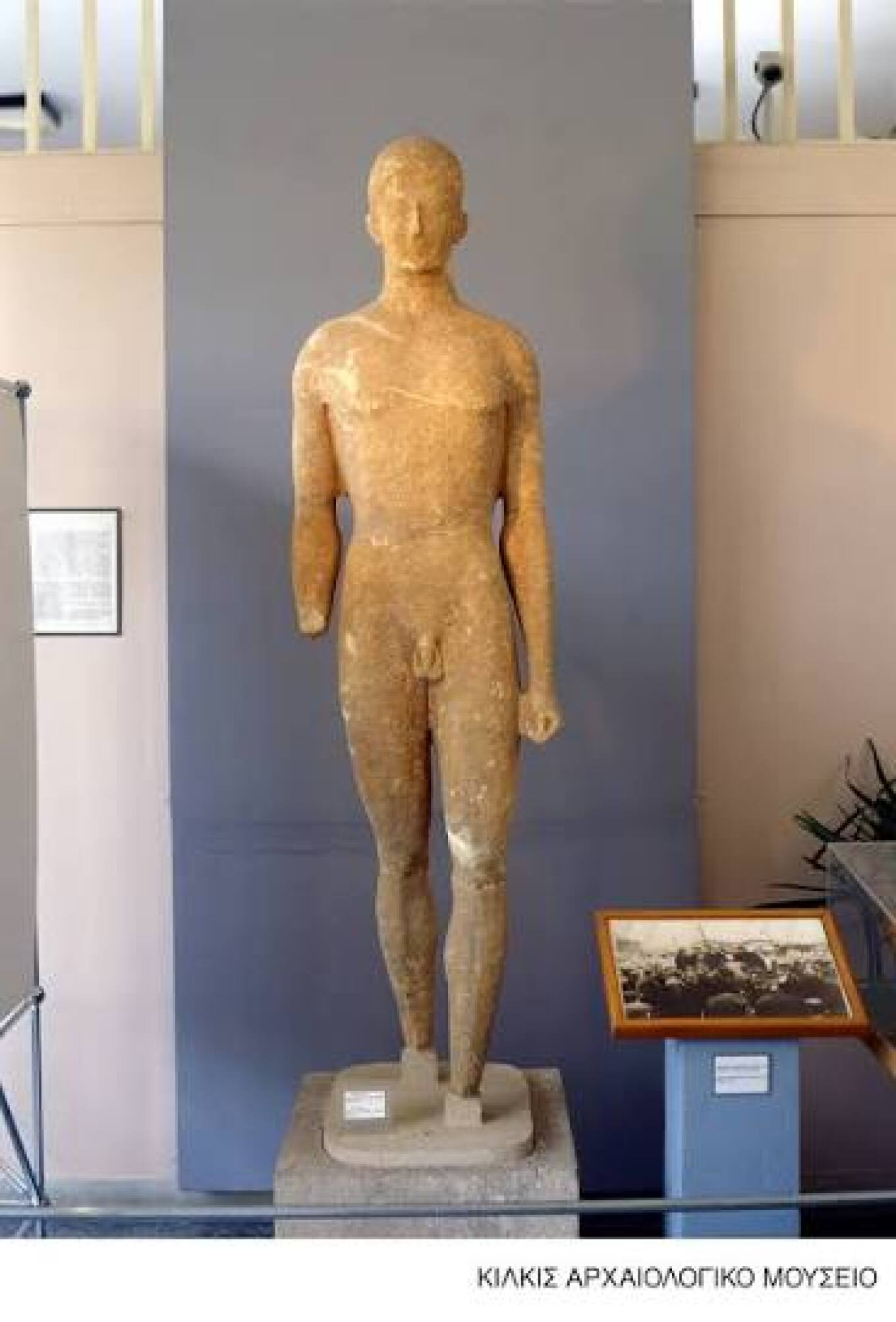
It was discovered in 1968 in Evropos and displayed at the Archaeological Museum of Kilkis. In 1978, antiquities traffickers cut the statue into pieces in an attempt to steal it, ultimately removing only its head. The head was later located abroad and repatriated to Greece in 1981, while the statue was restored and returned to display at the Museum.
The Kouros of Evropos is generally in good structural condition despite damage to its marble surfaces and previous restoration work. The most significant problems are found in the support areas, where cracks and separations have reduced its resistance to lateral and seismic stresses.
For this reason, additional protective measures were required. The approved solution provides for seismic isolation of the pedestal using sliding surfaces and discreet, reversible restraints for the sculpture, without altering the original material.
The goal is to reduce seismic stresses, particularly around the vulnerable ankle areas, and protect the Kouros from further damage.
Expansion of the Museum
The expansion study concerns the construction of a new building that will extend the Museum’s facilities while functioning alongside the existing building and maintaining its independence.
The expansion will be constructed on an adjacent 2,224-square-meter plot that was transferred in ownership from the Ministry of Rural Development to the Ministry of Culture.
The design of the new building and its surrounding grounds takes into account the approved building program for the Museum’s expansion, the applicable planning regulations, and the ongoing upgrade of the existing Museum building.
The new building will have a total floor area of approximately 860 square meters and will be developed across three levels.
The basement will include archaeological storage facilities, a data room, and areas for electromechanical equipment and machinery.
The ground floor will include a reception area, a temporary exhibition hall, public facilities including a café and restrooms, an accessible restroom for people with disabilities, a library-reading room-archive, and offices.
The upper floor will house offices for staff of the Ephorate of Antiquities of Kilkis, along with a meeting room and staff facilities.
“The Ministry of Culture is implementing a comprehensive and multi-level plan in Kilkis to upgrade the city’s Archaeological Museum and highlight the region’s significant cultural heritage,” Culture Minister Lina Mendoni said.
She added that the expansion, modernization of the existing Museum and reinstallation of its collections will create a contemporary museum with upgraded infrastructure, new exhibition and storage areas, and modern services for visitors.
The minister said the intervention forms part of the Ministry’s policy to create modern, sustainable, accessible and energy-efficient museums that can contribute to the revitalization of local communities.
She also emphasized the importance of protecting the archaeological artifacts themselves, particularly the Kouros of Evropos, describing it as one of the Museum’s most important and emblematic exhibits and almost the only intact kouros statue discovered in Macedonia.
The approved solution includes a modern seismic isolation and discreet restraint system designed to protect the original sculpture without interventions to the marble.
Funding
The total budget of the project exceeds €3.5 million, excluding the construction cost of the new building.
The project is being funded with €2.3 million from the Ministry of Culture’s National Development Program and €1.1 million from the Central Macedonia Regional Operational Program under the 2021–2027 Partnership Agreement (ESPA).
The Ministry of Culture is also financing from national resources all necessary studies, including those relating to the Museum’s expansion.
Ask me anything
Explore related questions




