





The ambitious plan of the Ministry of Culture to integrate the archaeological sites of Pythagoreion, Samos, is now moving towards implementation following the completion of the relevant management plan, which aims to protect and highlight this important part of the island’s cultural heritage.
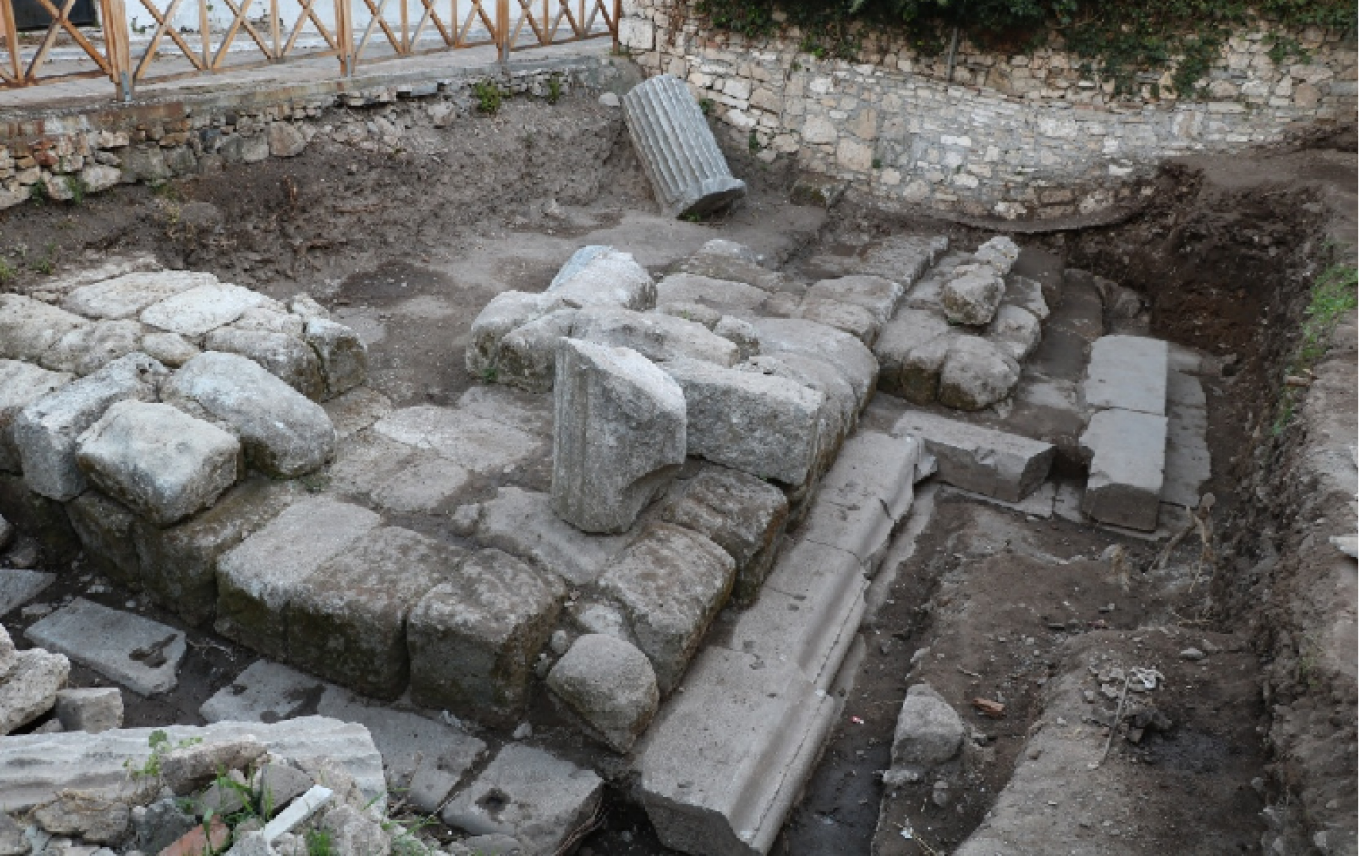
Temple of Dionysus
Included, together with the Heraion, on the UNESCO World Heritage List, Pythagoreion is one of the most important archaeological sites in the eastern Aegean. The management plan provides for the functional connection of the ancient city with the modern settlement, the harbour, the fortifications, public buildings, religious sites, hydraulic works, necropolises and remains from later historical periods.
As Minister of Culture Lina Mendoni explains, the management plan provides the basis for an integrated approach to the protection, integration and promotion of the archaeological sites, with the aim of gradually creating a coherent network of monuments, routes, public spaces, stopping and information points, cultural and educational facilities, and digital visitor-guide applications. The overall objective is to contribute to the island’s development and economic sustainability.
“Our goal is for visitors to understand the structure and history of the ancient city. Through this planning, we seek to highlight Pythagoreion as an archaeological park within the living fabric of the town, connecting the protection of cultural heritage with residents’ quality of life and the visitor experience,” she said.
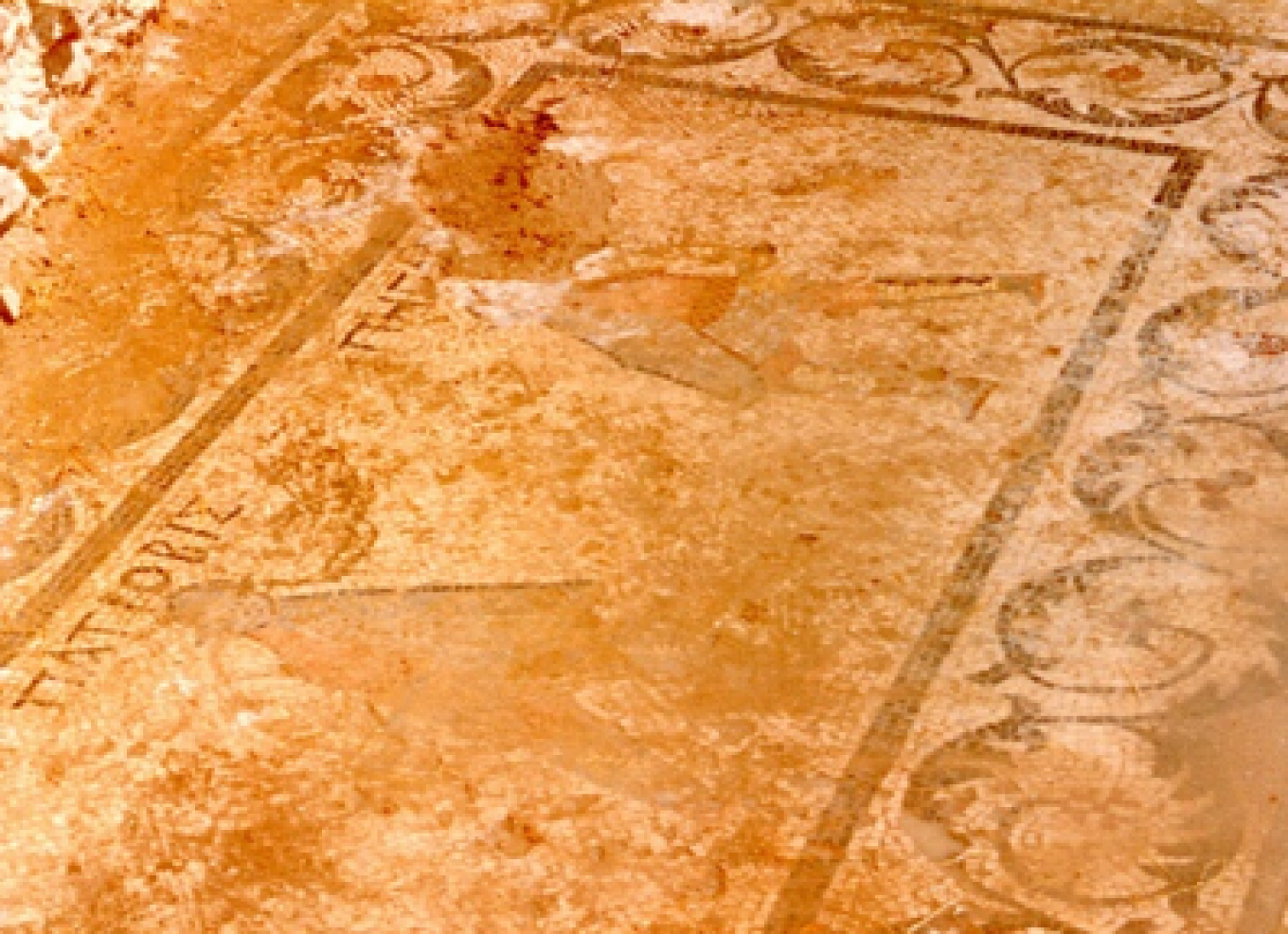
Mosaic floor in the Ancient Agora
The study focuses on five archaeological sites of primary importance, which are crucial to understanding the historical development of Pythagoreion: the Roman Baths, the Temple of Dionysus, the Roman Temple — probably dedicated to Aphrodite — the Ancient Agora and the Stoa Building.
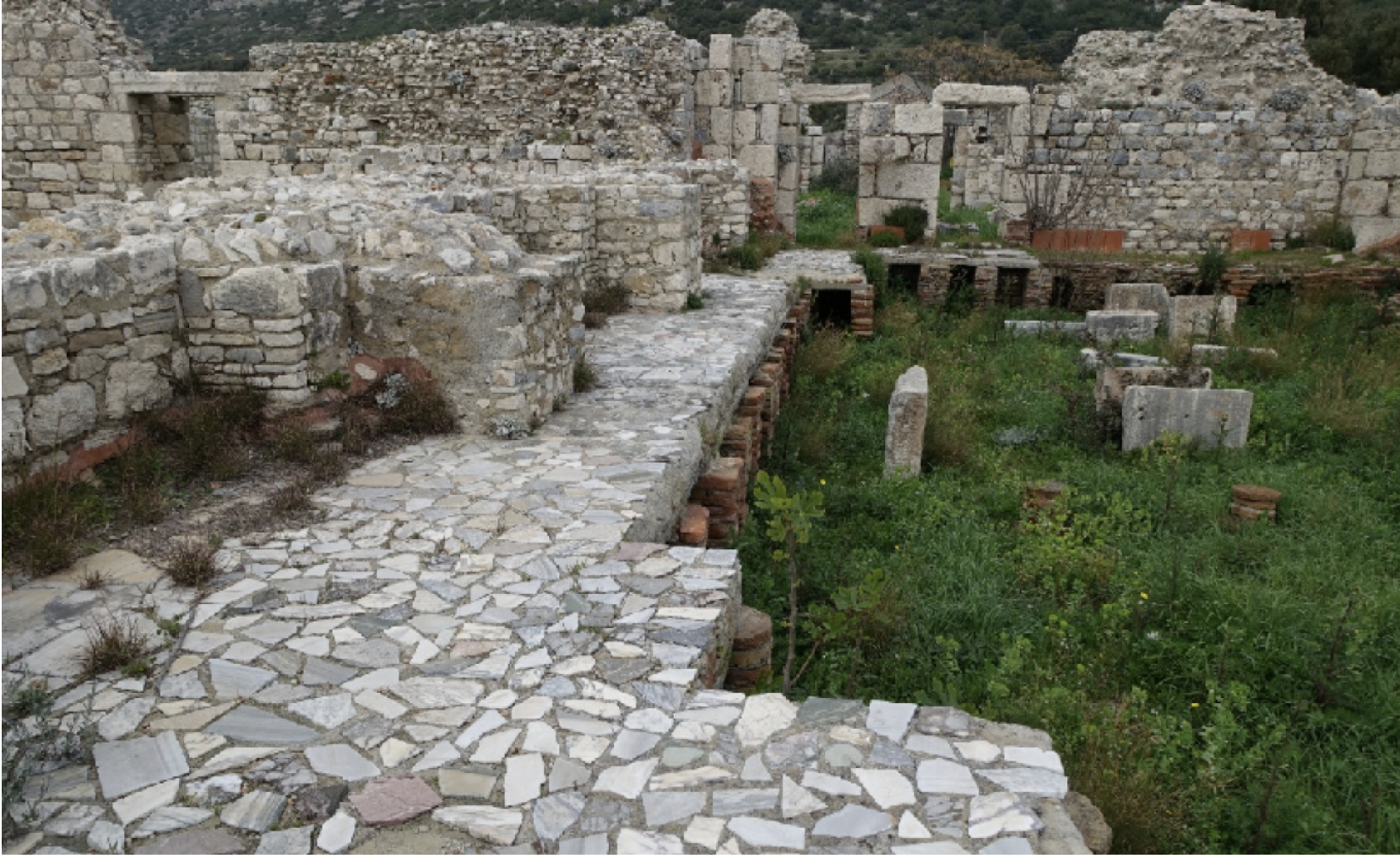
Roman Baths: Highlighting an important bathing complex
The Roman Baths are one of the most important bathing complexes of the Roman period in Greece and are organically connected with the Hellenistic Gymnasium and the athletic facilities of the ancient city.
Important elements of the architectural organisation and functioning of the hot and cold rooms, hypocaust systems, water tanks and decorative finishes have survived within the complex.
To upgrade the site, immediate measures are proposed, including cleaning and emergency conservation, organising scattered architectural material, creating safe visitor routes, installing informational signage and improving safety lighting.
At a later stage, the necessary studies are expected to be prepared with a view to integrating the Baths with the remains of the Gymnasium and athletic facilities.
Temple of Dionysus: Connecting the site with the Archaeological Museum
The Temple of Dionysus, located in a central part of Pythagoreion near the Archaeological Museum, and its surviving remains are particularly important for understanding the religious life of the ancient city.
The study identifies a number of needs for improving the site, including organising the architectural elements and conserving the remains, stabilising the slopes and existing walls, and removing vegetation.
The proposals for the site’s comprehensive enhancement include the functional integration of the Temple of Dionysus with the Archaeological Museum and neighbouring monuments, as well as the redevelopment of Efpalinou Street. The aim is to create a unified, safe and upgraded cultural and visitor network while improving information available to visitors.
Roman Temple: Highlighting the city’s monumental axis
The Roman Temple, probably dedicated to Aphrodite, stands along one of the central axes of Pythagoreion and contributes to our understanding of the organisation of sacred and public spaces in the Roman city.
The remains of the temple, the stylobate of the colonnade, traces of the square and their relationship with the Sacred Way give the site particular archaeological significance.
The study proposes immediate cleaning and conservation works, the removal or rearrangement of incompatible elements, and improvements to site safety and visitor information.
Proposals for the site’s comprehensive enhancement include integrating it through expropriations, improving access infrastructure and the road network, and exploring new routes connecting the archaeological site with neighbouring monuments and important points of interest. The aim is to better highlight the full extent and monumental character of the sanctuary.
Ancient Agora: The centre of public life in the ancient city
The Ancient Agora is one of the most important archaeological cores of Pythagoreion and is connected with the administrative, commercial, social and public life of ancient Samos.
The remains of public buildings, stoas, paved streets, mosaic floors and other structures make the area crucial for understanding the centre of the ancient city.
The proposals for its enhancement include integrating the expropriated plots, completing the archaeological documentation, organising safe visitor routes, installing informational signs, and connecting the Agora with the Chisios River, the Archaeological Museum and the areas of the Upper Town.
Stoa Building: Integrating an important monumental complex into the city
The remains of the Stoa Building are located in a particularly prominent position along the Pythagoreion–Chora provincial road. However, today they are not easily perceived as an important archaeological complex.
The study provides for the removal of parking from the expropriated plots, the organisation of scattered architectural material, and the demolition of walls that prevent the sites from being integrated.
Proposals for the comprehensive enhancement of the area include continuing archaeological excavation and documentation, functionally connecting the monuments, improving access and parking infrastructure, upgrading the road and waterfront areas, and introducing measures to facilitate safe access and the harmonious integration of the archaeological site into the modern urban fabric.
Integrating the monuments and promoting sustainable mobility
The management plan is not limited to the five main archaeological sites. Instead, it examines Pythagoreion as a unified historical and urban complex.
The broader framework includes, among other sites, the Castle and the hill of Lykourgos Logothetis, surviving sections of the ancient and Byzantine fortifications, the ancient military harbour, the Archaeological Museum, the Tunnel of Eupalinos, the necropolises, sanctuaries and the Early Christian Cemetery.
Particular emphasis is placed on linking the protection of the monuments with sustainable urban mobility.
The proposals include reducing through-traffic in the town, creating parking areas outside sensitive archaeological zones, improving pavements and creating safe routes connecting the Archaeological Museum, Ancient Agora, Baths, Castle, Tunnel of Eupalinos and other monuments.
At the same time, the plan calls for further examination of issues relating to the protection of the natural and archaeological landscape, with particular emphasis on the southern waterfront, where erosion and rock-slope collapses pose risks to both the monuments and visitor safety, as well as the Kastri hill.
Ask me anything
Explore related questions




