





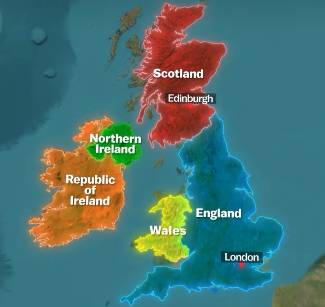
The first ministers of Scotland, Wales and Northern Ireland gathered in Cardiff on Monday to sign a memorandum of understanding intended to increase pressure on Westminster for constitutional change.
John Swinney of the SNP, Rhun ap Iorwerth of Plaid Cymru and Michelle O’Neill of Sinn Féin met at the St David’s Hotel overlooking Cardiff Bay, joined by Sinn Féin president Mary Lou McDonald. They attended as party leaders rather than as heads of government. Their joint declaration calls on Prime Minister Andy Burnham’s administration to prepare, plan and facilitate constitutional change in Scotland, Wales and Northern Ireland, and asserts each nation’s right to self-determination, including independence referendums.
The agreement covers cooperation on the economy, energy, Europe and international affairs. It also sets out a shared vision of European Union membership after any separation: Scotland and Wales as new member states, and Northern Ireland through unification with the Republic of Ireland.
The meeting is the first of its kind since May’s elections produced pro-independence first ministers in all three nations at the same time. Swinney called it a pivotal moment of constitutional change, arguing that the status quo is not sustainable and that Westminster must prepare for a post-UK future.
Burnham last week told MPs that a Scottish referendum could be considered if there was a “clear consensus,” but Downing Street later said another vote remained off limits. A UK government spokesperson restated the Prime Minister’s belief in the Union and said ministers were focused on household finances rather than further referendums.
Northern Ireland’s DUP deputy first minister Emma Little-Pengelly said O’Neill had not sought permission to attend or sign anything in her official capacity. Recent polling puts support for independence at around 47 per cent in Scotland, 36 per cent in Northern Ireland and 32 per cent in Wales. Wales’s first minister has ruled out an immediate referendum campaign.
The gathering does not dissolve the Union. It does, however, mark an unusual show of coordination among the three governing parties and a fresh challenge to Britain’s constitutional settlement.
Ask me anything
Explore related questions




