





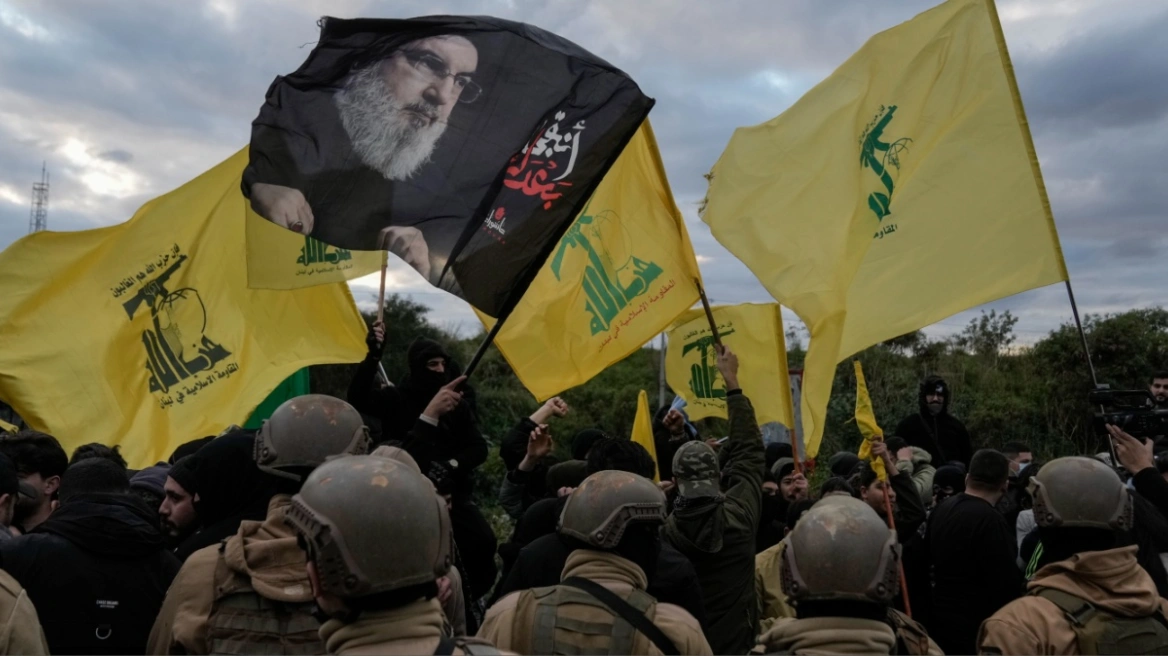
Hezbollah has reportedly received instructions from Iran in recent weeks to significantly increase its military readiness, as Tehran believes a broader regional conflict in the near future is highly likely. At the same time, the organization is implementing a new operational plan designed to give its units greater autonomy on the battlefield, with the aim of limiting the consequences of potential Israeli strikes against its central command.
According to information reported by the United Arab Emirates-based news website Erem News, citing sources within Lebanon’s security services and military, Hezbollah has already begun procedures to recall all its full-time personnel who receive monthly salaries. At the same time, secret internal instructions have been issued directing them to move to new operational positions, as part of preparations that differ significantly from the practices the organization followed in previous conflicts.
The same sources said the instructions are part of ongoing coordination between Iran’s Islamic Revolutionary Guard Corps and the leadership of Tehran’s regional allies. This coordination includes preparations for the possibility that the conflict with Israel and the United States could expand, as well as the development of plans for simultaneous, coordinated military responses in the event of a new war.
The sources clarified that Hezbollah views these instructions as “preparation for a scenario that could materialize soon, rather than an announcement that a definitive decision to go to war has been made.” They stressed, however, that the mobilization goes beyond the conventional gathering of forces and raising alert levels. It also involves a broader restructuring of how military operations are planned and conducted.
Iran’s “Mosaic Defense” Doctrine
One of the most significant changes being pursued, according to the report, is the adoption of an operational model based on Iran’s “mosaic defense” doctrine. This military approach relies on distributing operational responsibilities among different units, reducing their dependence on a single, centralized chain of command.
Lebanese sources said Hezbollah is seeking to establish a structure that would allow its forces to continue operating even if communication with senior command levels were cut off. This change is directly linked to the serious blows the organization has suffered from Israeli operations targeting its members and the infiltration of Israeli intelligence services into its ranks.
According to the same information, an internal assessment found that concentrating authority in the hands of a limited number of commanders left Hezbollah’s military structure particularly vulnerable to disorganization when its commanders became targets of attacks. The new approach is intended to address this weakness by allowing individual units to operate with greater independence.
The sources also emphasized that Iran’s role is not limited to financing Hezbollah and supplying it with weapons. On the contrary, Tehran is actively involved in overseeing the new military training, as well as in strategic coordination concerning possible scenarios for regional escalation.
The Goal Is to Prevent the Collapse of Iran’s Network of Allies
According to the same assessments, a central objective of Iran’s strategy is to ensure that its regional allies can continue operating even if Iran’s own command centers come under further military attack.
“Iran seeks to ensure that its allies can continue operating even if Iranian command centers are subjected to further attacks, thereby preventing the collapse of its regional response network as a result of strikes against its leadership,” the sources said.
According to the report, these preparations are also linked to information circulating among people close to Hezbollah about the form its response could take in the event of a new, large-scale war. These assessments point to a military response that would differ from those mounted in previous conflicts.
However, the sources stressed that this does not necessarily mean Hezbollah currently possesses greater military capabilities than it did before suffering its significant losses. Rather, the organization is attempting to make different use of the forces and weapons systems it has left, placing greater emphasis on regional coordination and seeking to disrupt Israeli military operations.
Israel Issues Stark Warning of Further Strikes and Territorial Losses in Lebanon
Reports of Hezbollah’s reorganization follow threats issued by Israeli officials against the organization.
Specifically, Israeli Defense Minister Israel Katz warned during a visit to Lebanon on Wednesday that any involvement by Hezbollah in an Iranian attack on Israel would trigger a particularly severe military response, potentially resulting in further Lebanese territorial losses.
“If Hezbollah joins Iran in an attack against Israel, it will suffer a severe blow and lose additional territory in southern Lebanon, in the areas of Nabatieh and the Litani River, which will become part of Israel’s permanent security zone. The Israeli military is ready to carry out a ground operation,” Katz said.
For their part, the Lebanese sources believe Hezbollah is attempting to prepare for a conflict in which it could become involved without having chosen to do so itself, whether as a result of an Israeli military action or because of developments in the conflict with Iran.
Ask me anything
Explore related questions




