





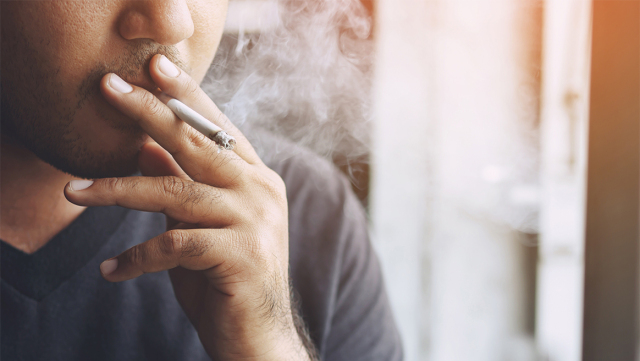
Last week brought discouraging news for smokers in Greece, where they account for one of the largest shares of the population in the European Union. Proposals discussed in Brussels to revise the EU’s tobacco rules included a substantial tax increase that could push the price of a pack at Greek kiosks to at least €6.50 and as high as €13.82. Malta’s veto prevented a decision, while Greece and nine other countries secured what were described as “reasonable” increases and a ten-year transition period until 2036 on account of “special circumstances”. The prospect of higher prices remains.
The rising cost of smoking
The cost of one of the deadliest and most persistent daily habits in Greece is set to rise further, while questions remain about how effectively an additional tax can deter current and prospective smokers. If the price of a pack rises to the lowest projected level of €6.50, the average smoker would spend €2,150 a year on the habit, compared with €1,590 today at €4.80 a pack. A Europe-wide ban on filtered cigarettes is also under discussion. The municipal authorities of several major European cities are pressing for the ban in Brussels, chiefly on environmental and financial grounds. They say cigarette butts account for the largest share of daily litter, reaching 30% in Brussels, for example, and drive up the cost of municipal services. They also point to the reversal of earlier scientific thinking that filters protected smokers and cite the World Health Organization’s assessment that filtered cigarettes can be more harmful than unfiltered ones. A ban, too, may only be a matter of time.
Another proposal would sharply reduce the number of outlets selling tobacco products across the EU to discourage consumption. The measures come as the bloc works towards a “smoke-free Europe” by 2040, with smokers accounting for less than 5% of its total active population. Can that goal be reached without the support of the people who smoke today?
The restrictions tighten
Life is becoming increasingly difficult for committed smokers in Greece and across Europe. New bans and restrictions leave them with fewer places to smoke, while rising prices put more pressure on their finances. At the same time, questions are growing about the effectiveness of Europe’s anti-smoking policy.
The figures show the devastating toll of smoking. According to the World Health Organization (WHO) and the OECD, it is responsible for more than 7 million deaths worldwide each year. In Greece, 22% of deaths are linked to smoking. Exposure to second-hand smoke was also linked to 1.7 million premature deaths worldwide in 2023, according to a study covering 204 countries published in The Lancet Public Health.
Why, then, have successive packages of anti-smoking measures fallen short of expectations? Is the mix of policies right? Could authorities and policymakers be provoking resistance by putting too much pressure on smokers’ finances and pushing them to the margins?
How else to explain the persistence of smokers who know the terrible consequences of the habit for their health, especially when the product has gone years without so much as an advertisement, as though it did not exist? They look past the harrowing images and alarming health warnings on packs and put up with isolation, moral judgement and social disapproval, sometimes from the people closest to them. Still, they smoke.
Protection or overreach?
Protecting public health, and in particular the right of non-smokers to breathe clean air, is an established principle. In Greece, such measures arrived late, perhaps deliberately in the past.
Tens of thousands of farmers in places including Larissa, Agrinio, Pieria, Thessaloniki and eastern Macedonia made their living from tobacco, while numerous Greek tobacco manufacturers employed large workforces. Any anti-smoking measure would have had serious economic and social consequences. Greece was therefore slow to ban smoking in enclosed public spaces and to adopt a comprehensive anti-smoking policy.
In the US and many European countries, restrictions on smoking in hospitals, government offices, workplaces, restaurants, bars, theatres, cinemas, public transport and indoor sports venues began in the 1980s.
Older generations in Greece will remember clouds of smoke in cinemas, fierce arguments on long-distance coaches where passengers smoked freely even if the person beside them suffered from a tobacco-related illness, and patients smoking in hospital wards. Younger generations may remember that Olympic Airways was among the last airlines in the world to ban smoking, or that people would sneak cigarettes by the windows in train corridors. Some bar, café and restaurant operators even improvised ashtrays out of plastic cups to get around surprise inspections.
The restrictions were a necessary, if belated, step for Greece and brought a noticeable improvement to daily life. Many argue that strict rules and high taxes deter people, particularly the young, and help reduce smoking rates in the long term. Critics say that higher cigarette prices disproportionately affect those on lower incomes and fuel the illicit trade. There is also an apparent contradiction in the state collecting billions of euros in tax from the legal sale of a product whose use it bans in almost every public space.
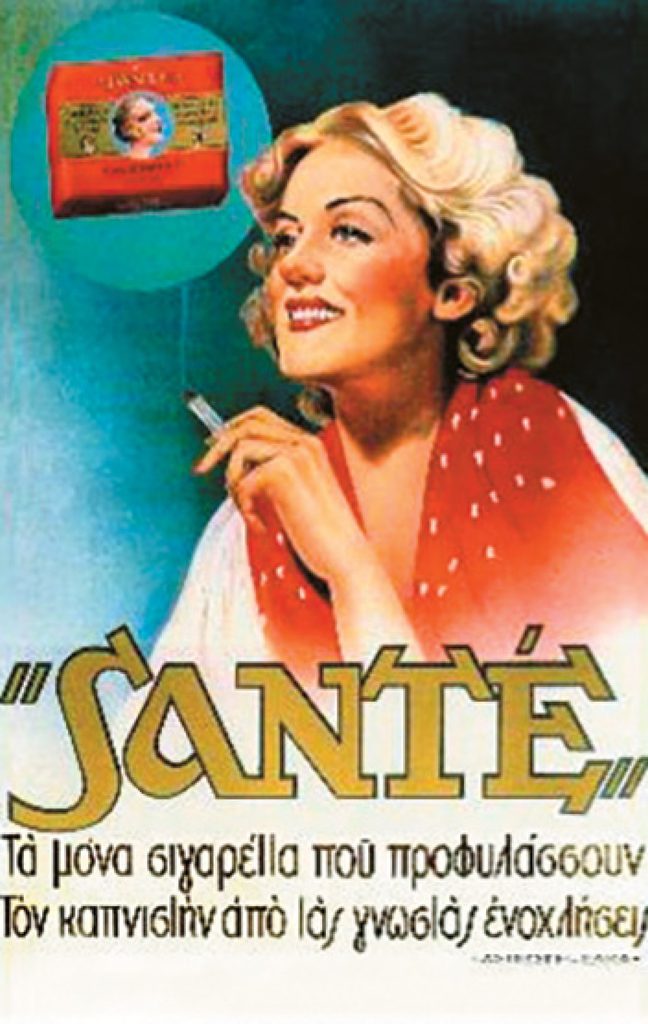
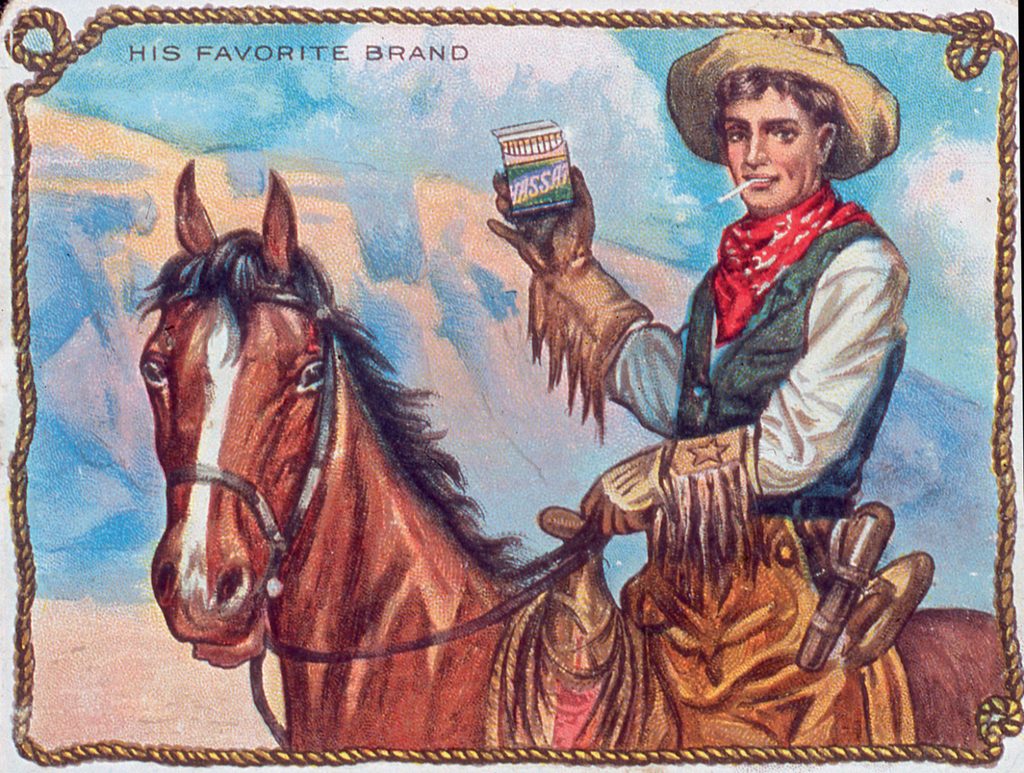
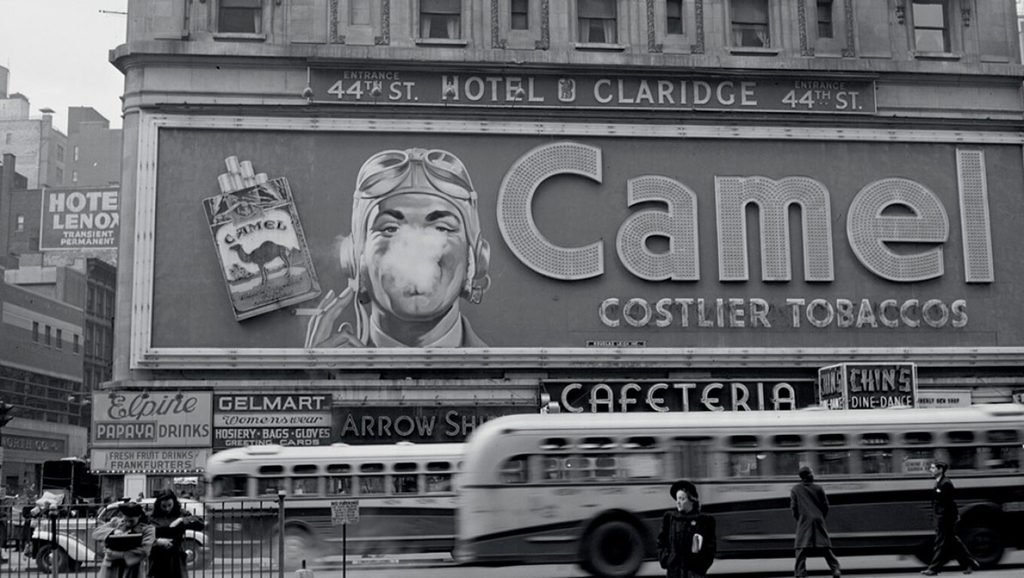
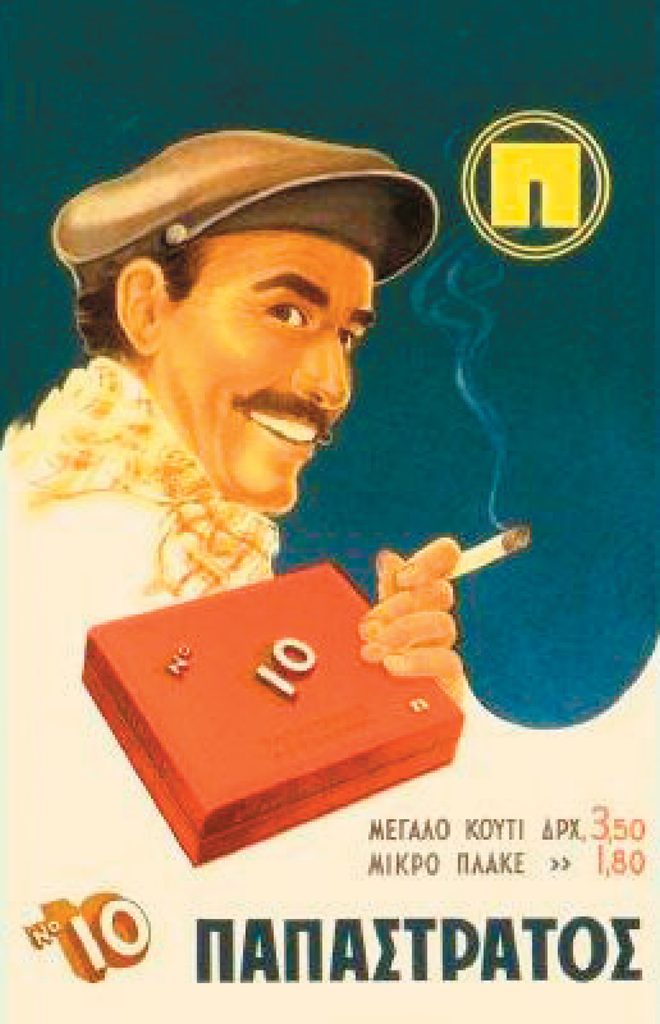
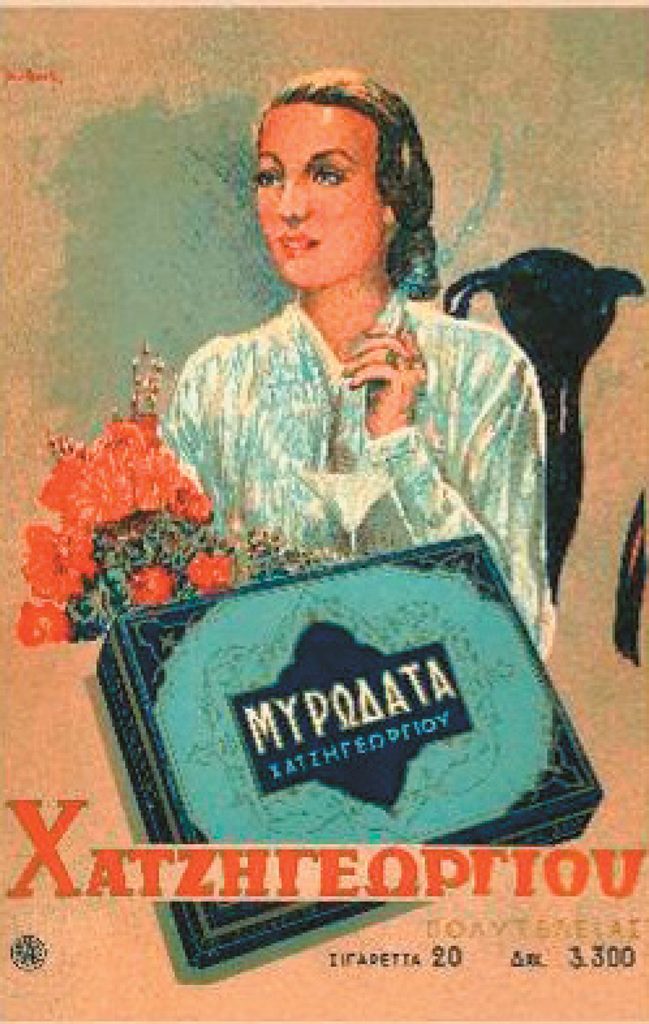
Smokers have found these changes difficult to adhere to, partly in response to individual measures and partly because smoking is bound up with ingrained attitudes that go back decades, if not centuries. It is a habit, and habits are hard to change and harder still to break. In Greece, as elsewhere, cigarettes acquired different meanings as society changed. They became a symbol of masculinity and swagger, of women’s emancipation or of growing up before one’s time. Films, newspaper and magazine advertisements, billboards and television dramas all helped fashion those images, with cigarettes in mouths and smoke everywhere.
Public figures continued to smoke on television programmes even after the bans. Many remember the faces associated with advertisements for well-known imported brands, while global tobacco companies remained major sponsors and advertisers in Formula 1 for years. The attitudes and associations formed in that era have been passed down and are difficult to undo. Greece’s ban on cigarette advertising in 1996 improved matters, although it did not bring about a wholesale change. The smoker’s personal relationship with cigarettes is harder still to break. A cigarette can be a pleasure, a habit, a need, a companion, a subconscious trigger, media brainwashing or a way of coping with problems. The progression can be hard to explain and the lines between those roles are easily blurred. For some smokers it is one of these things, for others a combination.
The effects of wider bans
In recent years, restrictions have extended from places where exposure to second-hand smoke is immediate and demonstrably harmful to outdoor spaces such as parks, beaches and even outdoor areas of businesses. The debate is whether restrictions in open spaces, where smoke can disperse, risk taking on a punitive character and provoking resistance from smokers.
The issue goes beyond the now familiar sight in Greece of office and shop workers gathering outside building entrances. It also concerns how passers-by look at someone smoking outdoors and how they treat smokers who are causing them no immediate disturbance. Treating smokers as second-class citizens for a harmful but legal habit solves little. The scientific case for applying the same restrictions to conventional cigarettes, heated tobacco products and vaping has also been questioned, including whether blanket rules discourage smokers from switching to alternatives considered less harmful.
Tobacco taxation
Along with alcohol and fuel, tobacco products have long been among the Greek state’s first options for raising revenue, particularly in times of crisis.
Charilaos Trikoupis was the first to tax tobacco heavily, in 1883, when it was originally sold loose and rolled in cigarette papers. The state acquired a monopoly on the sale of rolling papers, and finance minister Pavlos Kalligas saw revenue rise from 300,000 drachmas to around 5 million. Higher prices angered smokers and worried traders. Smokers turned to factory-made cigarettes to avoid part of the extra cost, while smuggling flourished.
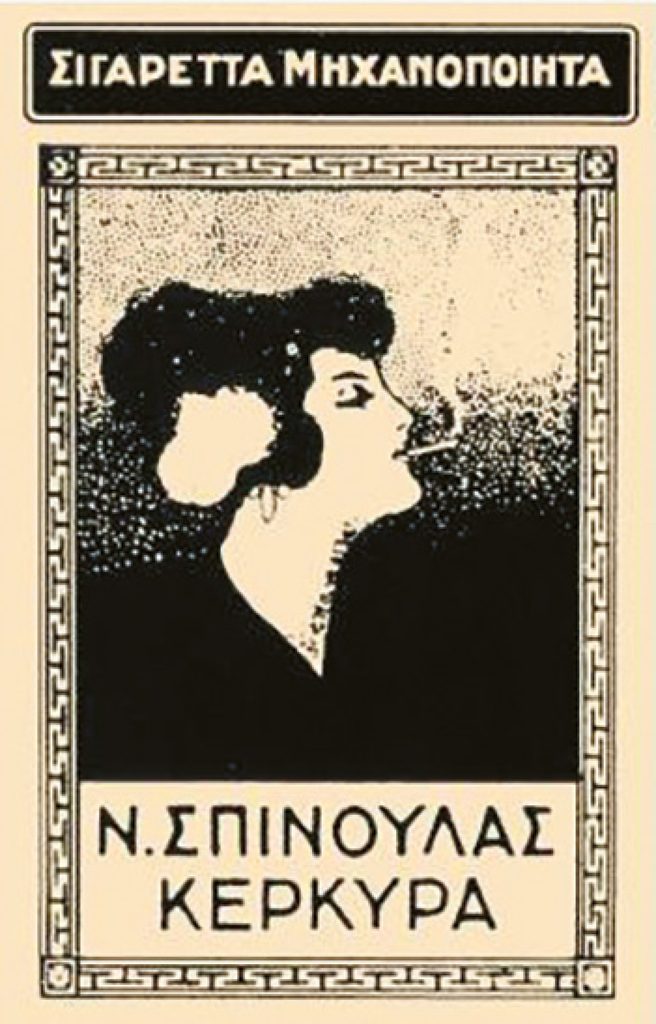
On 16 April 1920, Greece enacted its first Tobacco Tax Code, a single legislative framework with 128 articles governing the production, processing and taxation of tobacco products and imposing heavy fines for infringements. Cigarette prices have since included excise duty, the level of which was set by ministerial decision. By the late 1960s, cheaper Greek cigarettes cost between six and 12 drachmas a pack, while imported brands were more expensive. Retailers, particularly outside the major cities, also sold cigarettes individually, and small packs of 10 were a hit. Prices went up again, and the government’s memorable “a puff and five drachmas” campaign encouraged smokers to buy Greek cigarettes over imported brands.
When the drachma was devalued twice under Andreas Papandreou’s governments, in 1983 and 1985, tax rates and kiosk prices rose accordingly. A packet went from 23 drachmas to 40, and later far higher. Tobacco was becoming a major source of state revenue. VAT was added in 1987, as it was to other goods and services, sending prices up again. According to the OECD, in 1988 tobacco taxation accounted for 6.25% of all indirect taxes and 2.8% of all tax revenue in Greece, equivalent to 1% of GDP. Greece ranked second in Europe behind Ireland. In 1991 a pack of a well-known brand cost 270 drachmas. By 1998 it had reached 650, about 2.4 times as much. Under the third bailout programme in 2016, Greece rose to fifth place for cigarette taxation, with taxes accounting for 84% of the retail price, compared with 84.5% in Estonia.
Greece’s tax regime for manufactured tobacco is now aligned with EU directives. Tobacco products sold in the country, including cigarettes, cigars, cigarillos and fine-cut tobacco for roll-ups, are made in Greece, brought in from other EU member states or imported from outside the bloc. They are subject to excise duty and VAT at 24%. Tax accounts for most of the retail price of a pack costing between €4.20 and €5. On a €4.80 pack, excise duty comes to around €2.90. VAT takes the total tax bill to €3.83, meaning roughly €4 of every €5 paid by consumers goes to the state.
Australia leads the world in cigarette prices by a wide margin, at an average of €31.19 a pack, followed by New Zealand at €21.50 and the United Kingdom at €20.91. Numbeo compiled 12 months of data from 99 countries this year and ranked Greece 47th, with an average pack price of €4.88.
Smoking bans
The first attempt to ban smoking in Greece dates to 1856. King Otto, chiefly concerned about the number of fires caused by lit cigarettes, issued a royal decree “prohibiting smoking in public offices and establishments”. It was published on 29 July 1856, shortly after a major fire at the finance ministry broke out when an employee left a lit cigarette among some files. The decree was successfully enforced for seven years before being repealed.
Nearly 150 years passed before Greece introduced further smoking restrictions, a process that eventually led to a comprehensive ban in enclosed public spaces and strict checks to protect minors in 2025. The first measures from 2002 were introduced in stages and had numerous exceptions. The rules later provided for stricter enforcement and hefty fines. Measures introduced in 2002 and 2010 were only partly enforced in practice, before Law 4419/2016 made pictorial warnings on cigarette packs compulsory and Law 4633/2019 introduced strict checks and heavy fines to enforce the smoking ban. Restrictions were extended to outdoor spaces frequented by minors, including playgrounds and sports facilities, and to private and public vehicles carrying children under 12.
Smoking by the numbers
According to Eurostat figures for 2025, 22.6% of people in Greece over the age of 16, or around 2 million, smoke daily and consume an average of 15 cigarettes. That is well above the EU average of 16.5%. Greece ranks fourth among the 27 member states, down 1.6 percentage points from 24.2% in 2022. Bulgaria has the highest rate at 26.3%, followed by Sweden at 23.9% and Croatia at 23.6%. The gap between men and women remains wide. Across the EU, 20.8% of men and 12.6% of women smoke daily, compared with 27.2% and 18% respectively in Greece.
Worldwide tobacco consumption remains exceptionally high. According to the Tobacco Atlas, more than 5 trillion cigarettes were consumed in 2019, of which 657 billion were traded illegally, accounting for 11.6% of total consumption. KPMG’s estimates for Europe last year put the corresponding figures at 430 billion cigarettes overall and 41.8 billion illicit cigarettes.
The illicit cigarette trade
During the decade of Greece’s financial crisis, sales of illicit cigarettes broke records. The scenes were familiar to people around Exarchia Square and in the streets around Omonia and Victoria Square. Sellers, some of them foreign nationals, openly brandished cartons of cigarettes of uncertain origin and without tax stamps, offering them at 20% to 30% of the kiosk price. Cigarettes changed hands in broad daylight, while at night buyers queued in their cars. It was a trade worth tens of millions of euros, and the smugglers were the only ones who benefited. They went to extraordinary lengths to hide their stock, even stashing bags of cigarettes in sewers.
Despite persistently high prices, cigarette smuggling has declined somewhat. Last year Greece recorded the largest fall in illicit cigarette consumption in the EU, at 3.4% compared with 2024. Illicit cigarettes accounted for an estimated 14.1% of total consumption in Greece, according to KPMG’s annual report commissioned by Philip Morris International. Across the EU, meanwhile, they accounted for more than 10% of consumption for the first time since 2014.
Despite the decline, cigarette smuggling remains widespread in Greece. The report estimates that 1.9 billion illicit cigarettes were consumed in the country in 2025.
The figures at a glance
22.6% of people in Greece over the age of 16, or around 2 million, smoke daily, consuming an average of 15 cigarettes.
The average smoker currently spends around €1,590 a year on cigarettes. At €6.50 a pack, the annual bill would rise to around €2,150.
22% of deaths in Greece are linked to smoking.
1.7 million premature deaths worldwide in 2023 were linked to exposure to second-hand smoke.
€3.83 of the price of a €4.80 pack goes towards tax.
Ask me anything
Explore related questions




