

×
GreekEnglish

×
  • Politics
  • Diaspora
  • World
  • Lifestyle
  • Travel
  • Culture
  • Sports
  • Cooking
Tuesday
21
Jul 2026
weather symbol
Athens 33°C
  • Home
  • Politics
  • Economy
  • World
  • Diaspora
  • Lifestyle
  • Travel
  • Culture
  • Sports
  • Mediterranean Cooking
  • Weather
Contact follow Protothema:
Powered by Cloudevo
> Culture

2,600-year-old stone busts of ‘lost’ ancient Tartessos people discovered in sealed pit in Spain

The carved stone faces, which archaeologists date to the fifth century B.C., were found hidden inside a sealed pit

Newsroom April 26 04:48

Δείτε περισσότερα άρθρα μας στα αποτελέσματα αναζήτησης

Add Protothema.gr on Google

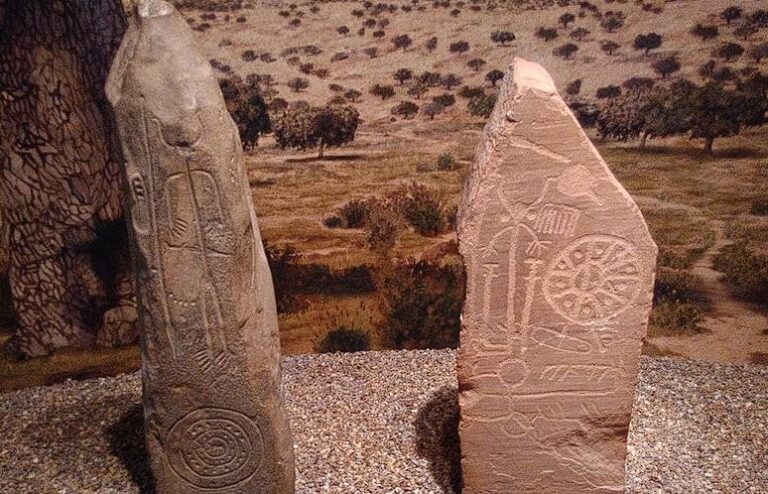
Archaeologists in Spain have unearthed five life-size busts of human figures that could be the first-known human depictions of the Tartessos, a people who formed an ancient civilization that disappeared more than 2,500 years ago.

The carved stone faces, which archaeologists date to the fifth century B.C., were found hidden inside a sealed pit in an adobe temple at Casas del Turuñuelo, an ancient Tartessian site in southern Spain. The pieces were scattered amongst animal bones, mostly from horses, that likely came from a mass sacrifice, according to a translated statement(opens in new tab) published April 18.

“The unusual thing about the new finding is that the representations correspond to human faces,” Erika López(opens in new tab), a spokesperson for the Spanish National Research Council (CSIC), said in the statement.

also read

Fire breaks out at Russian Cultural Center in Nicosia (video)

>Related articles

At least 12 dead as southern Spain wildfire burns 6,600 hectares, though conditions improve

Sorrow over 11 dead in Andalusia’s deadliest wildfire on record

WHO warns Europe of ‘more deadly weeks’ ahead as new heatwave builds over Atlantic

Marvel Universe’s Loki in Greece (photo)

Archaeologists from the CSIC called this discovery “a profound paradigm shift in the interpretation of [Tartessos],” since this ancient civilization, which existed from about the eighth to the fourth centuries B.C., was long considered an aniconic culture in which divinity was represented through animal or plant motifs, rather than idolized humans, according to the statement.

more at livescience.com

Ask me anything

Explore related questions

#ancient civilisations#archaeological excavations#archaeology#excavations#spain
> More Culture

Follow en.protothema.gr on Google News and be the first to know all the news

See all the latest News from Greece and the World, the moment they happen, at en.protothema.gr

> Latest Stories

Wreckage of Pan Am plane lost in 1952 Puerto Rico crash located on Atlantic seabed after 74 years

July 21, 2026

Trump: US will respond immediately if Houthis threaten Red Sea shipping

July 21, 2026

Emergency heatwave warning as thermometer set to hit 43C in three regions

July 21, 2026

Eurostat: Greece leads Europe in public debt reduction

July 21, 2026

Former minister Ann Widdecombe killed in hammer attack, court told

July 21, 2026

Houthis open a second war front: Threat of a Saudi Arabia blockade brings new risk to oil

July 21, 2026

Hellenic Civil Aviation Authority: 45 new air traffic controllers sworn in

July 21, 2026

France records worst wildfire season in 20 years by mid-July

July 21, 2026
All News

> Greece

In reverence, the emotional deposition in Jerusalem, see photos & video

The Holy Temple of the Resurrection opened after many days due to the war between Israel and Iran

April 10, 2026

In the final stretch for the accreditation of joint master’s degrees: Aiming for their launch in the coming academic year

April 10, 2026

Schedule for Epitaph Procession today (10/4)

April 10, 2026

Perfect weather for Easter excursions, according to Tsatrafyllia’s forecast

April 10, 2026

Easter in Greece: The customs that continue in Greek tradition – From Nafpaktos to Corfu

April 10, 2026
Homepage
PERSONAL DATA PROTECTION POLICY COOKIES POLICY TERM OF USE
Powered by Cloudevo
Copyright © 2026 Πρώτο Θέμα



