





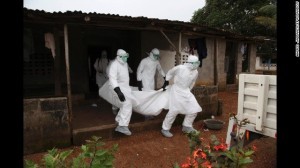
The Geneva-based World Health Organization (WHO) said on Friday that West Africa’s Ebola virus is an international health risk. The health agency warned of possible consequences should the virus spread. So far, almost 1,000 people have been killed in four West-African countries – an event that is considered “particularly serious” in view of the force of the virus.
The WHO advises people who have been in contact with Ebola sufferers to avoid travel for 21 days after coming into contact with the virus. The virus has a 3-week incubation period that means that symptoms may not show up before then. It can be transmitted through contact with bodily fluids of an infected person and through meat or surfaces. A fever escalates to internal and external bleeding, vomiting and diarrhoea – all extremely contagious.
A two-day meeting of the emergency committee on Ebola was held by the WHO. “A coordinated international response is deemed essential to stop and reverse the international spread of Ebola,” said the health agency in a statement. In the past, similar emergencies had been declared for the swine flu pandemic in 2009 and for polio in May, however the Ebola outbreak is the largest and longest in history.
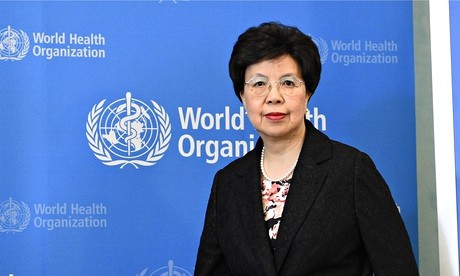
WHO Chief, Dr. Margaret Chan (photo below), said that the announcement is a call for “international solidarity” even though she acknowledges that many countries would probably not have any Ebola cases. “Countries affected to date simply do not have the capacity to manage an outbreak of this size and complexity on their own,” said Ms. Chan.
The current outbreak started in Guinea on March. Since then, it has spread to Sierra Leone and Liberia. As yet, there is no licensed treatment or vaccine for Ebola with the virus being fatal for half the people who contract it.
CLICK HERE FOR FREQUENTLY ASKED QUESTIONS ABOUT THE EBOLA VIRUS
Ask me anything
Explore related questions




