





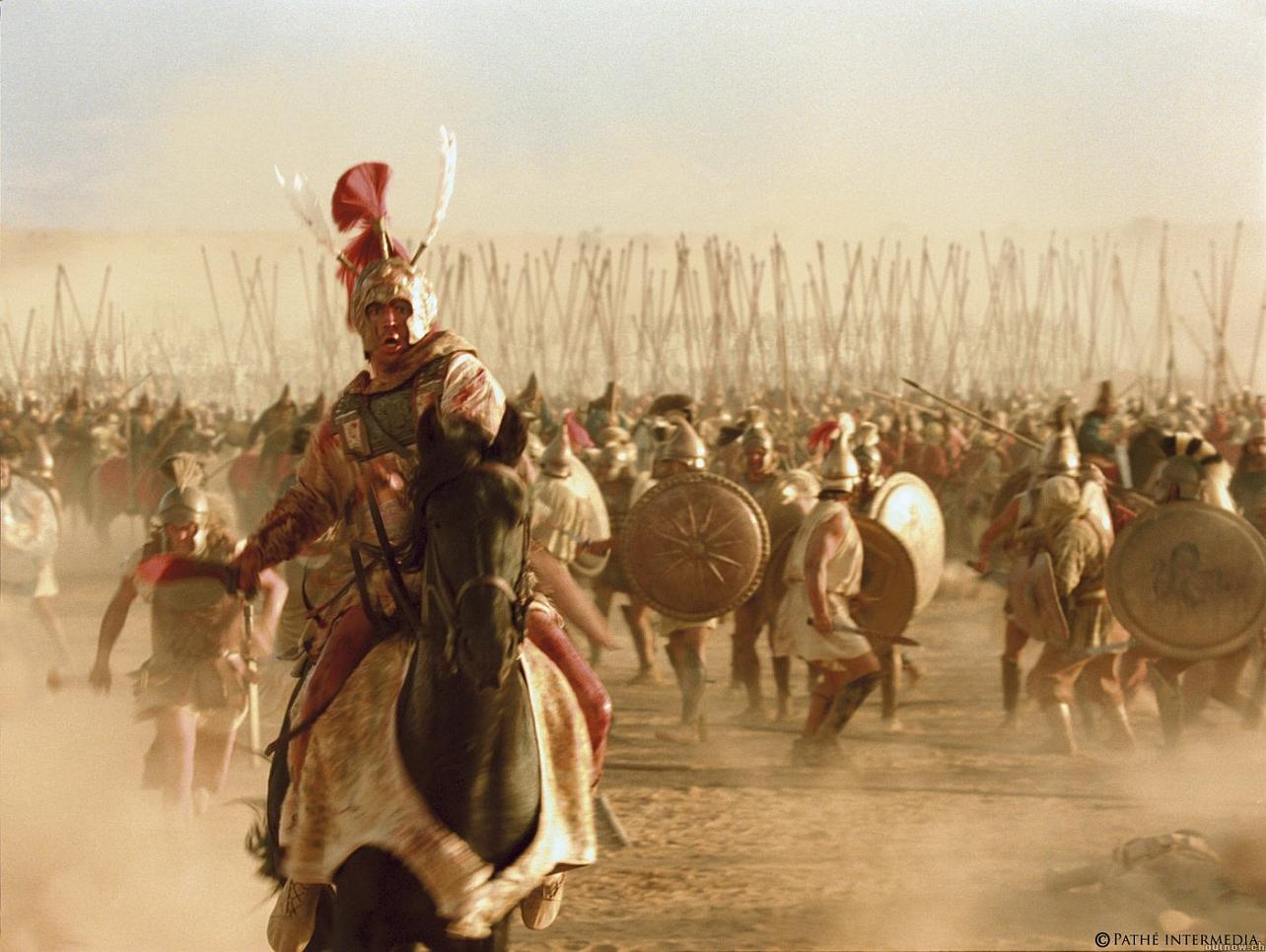
The world is waiting with baited breath for the secrets of ancient Amphipolis to be revealed after centuries by the end of the month. The locals are speculating and archaeologists have strong suspicions but exercise caution and reserve. What do we know so far about the secrets of Amphipolis?
What the archaeologists know…
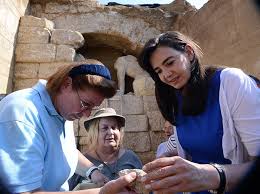
Catherine Peristeri, the archaeologist in charge of the excavation of the Kasta tumulus, has found that the lion and the sphinxes at the entrance were made of the same material and by the same sculptor. She believes that the person was one of the generals or admirals in the army of Alexander the Great.
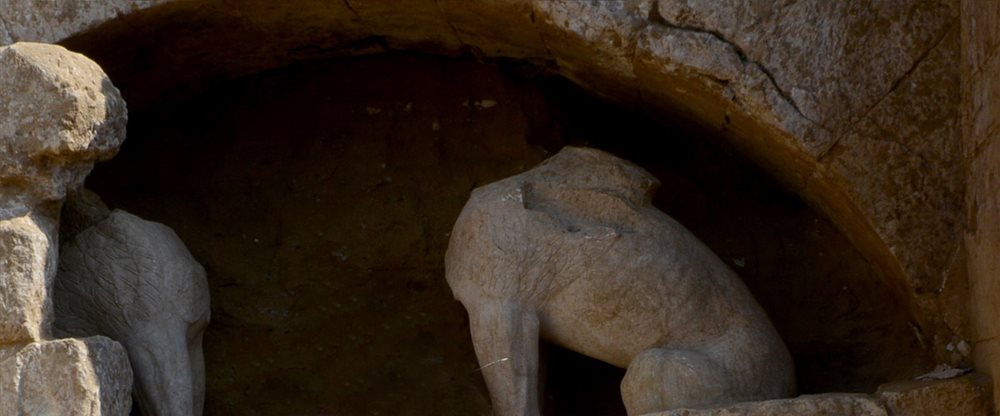
The ancient sphinxes unearthed at the ancient site were recently covered in a coat of plastic to protect them from weather conditions and prying eyes. These two carved sphinxes were found after a 4.5-meter-wide road and 13 steps to the tomb, and were placed there to guard the entrance. Now, the archaeologists need to destroy the stone wall constructed to protect the tomb. Once this is done, the roof will possibly collapse, filling the tomb with dirt that will carefully be searched in order to find the grave offerings. Another case scenario would be entering the space to find the tomb has been robbed in which case important discoveries would have been removed.
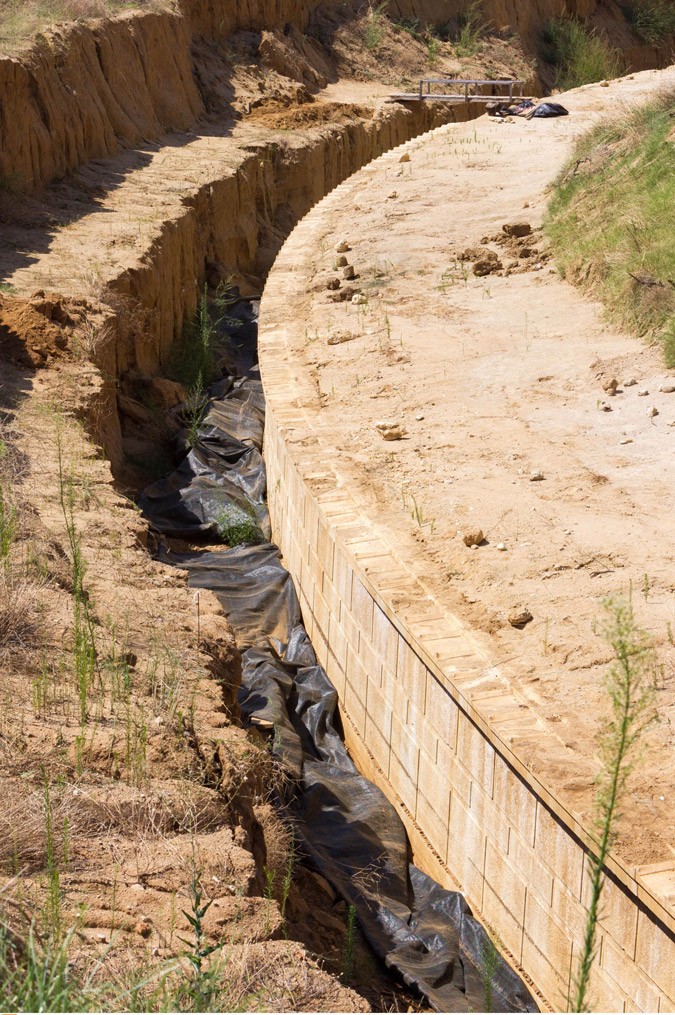
The best case scenario would be for the roof to not fall in and for all treasures to be intact in which case researchers will be able to identify the person buried here based on bones, gender and other indications. The burial chest and objects connected to the buried person’s life such as jewellery, pottery, weapons etc. would also be in the tomb provided it hasn’t been looted. The site is close to the nearby ancient city of Amphipolis that was once rich due to its gold reserves so the artefacts inside may be magnificent in their splendor.
Scientists doubt that it is the burial mound of Alexander the Great, but believe that a very important figure of antiquity is inside. The excitement of the find is escalating and archaeologists are working regardless of the high temperatures.
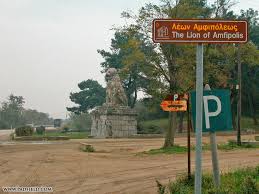
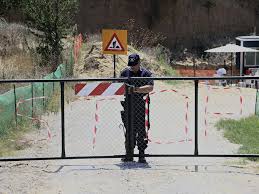
In an unprecedented move, authorities have upgraded security with police officers guarding the site 24×7. The excavation has taken two years so far and is under the aegis of the Hellenic Ministry of Culture and Sports.
What the locals know…
The locals of Amphipolis feel vindicated following the visit of Prime Minister Antonis Samaras and the spotlight of the media cast upon the ancient site. The quiet area has been abuzz with media and archaeology buffs from around the world all interested in learning the “secret”.
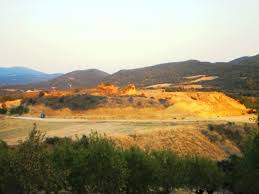
Residents of a village near the site talk about rumors that were passed on by word of mouth of a large hidden treasure in the area and looters would come looking for these and oftentimes smuggling small items.
A farmer from Mesolakia, a nearby village, farms a nearby field all the way to the archaeological limits and says that he saw the statues from afar, estimating that they must weigh more than 1.5 tons each.
“If it’s like they say, (the discovery) will save the whole area, the whole prefecture of Serres, Macedonia and Greece,” the president of the local community Athanasios Zournatzis told the Athens News Agency. A few hundred years ago the area was an area of great commercial activity with the mouth of the Strymon River frequented by kings. The ancient port, according to historians was where Alexander the Great had started his great campaign to conquer Asia.
The area itself…
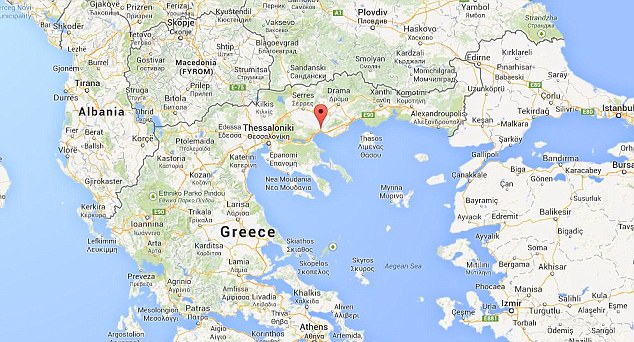
Ancient Amphipolis is built in the place of a city once known as “Enea Odoi” (Nine Roads). It was established by the Athenians in 437 B.C. to control the resource-rich region and was abandoned in the 8th Century A.D. Human remains in the region date back to as far as 3000 B.C.
Strategically located, the area was fortified. In 480 B.C., Persian King Xerxes buried nine young men and nine maidens alive as sacrifice to the river god. Just a year later, Alexander the Great was triumphant against the army of Xerxes at the battle of Amphipolis.
Athenians tried to colonize the area in the5th century B.C. to have direct access to key raw materials such as gold and silver of Pangaion Hills. The first attempt to colonize the area failed when the colonists were crushed by Thracians who also wanted to control the lucrative gold mines. Athenians returned again in 437 B.C. and founded Amphipolis. Thucidydes states that the city was named thus because the Strymon River flows around it.
During the Peloponnesian War, the Spartans captured the city but after a series of battles, Sparta was bound to return Amphipolis to the Athenians, something that never happened and caused friction.
When Philip of Macedon came to rule he sent a large number of Macedonian citizens to the city to change the composition of the population to his benefit. By the time of Alexander the Great, the seaport was very important and Amphipolis was a strategic naval base and birthplace of three major admirals – Nearcos, Androsthenes and Laomedon (a close friend of Alexander).
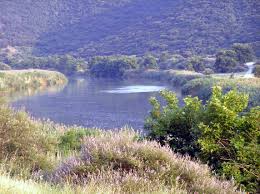
When the Romans took over, Amphipolis was separated from Macedonia and was incorporated into the province of Thrace. In ancient years, Amphipolis benefited from the economic boom in Macedonia and there were many beautiful churches built. Invasions by Slavs in the 6th century AD led to its depopulation and decline before it was completely abandoned.
Ask me anything
Explore related questions




