





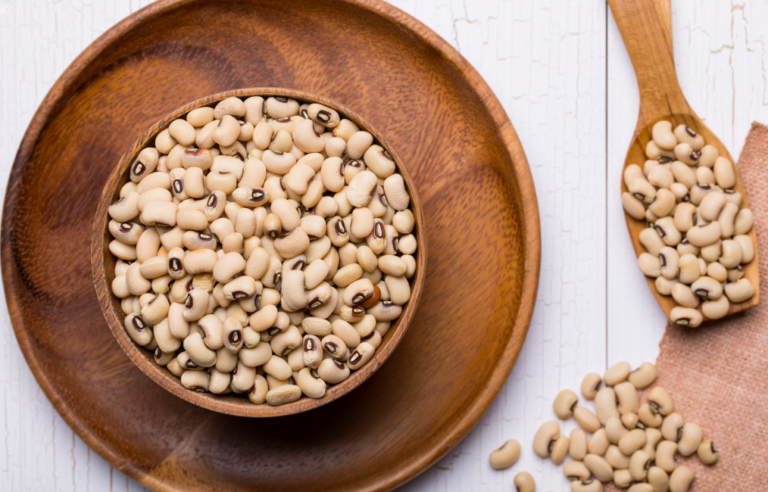
We often hear people saying they can’t find tasty tomatoes or they choose a particular type of fava because it has a richer flavor. Many of us also seek out small-scale farmers for grains, vegetables, and legumes, as their products are often more delicious. But behind each of these plants lies a seed, and behind each seed, a farmer dedicated to preserving and maintaining it.
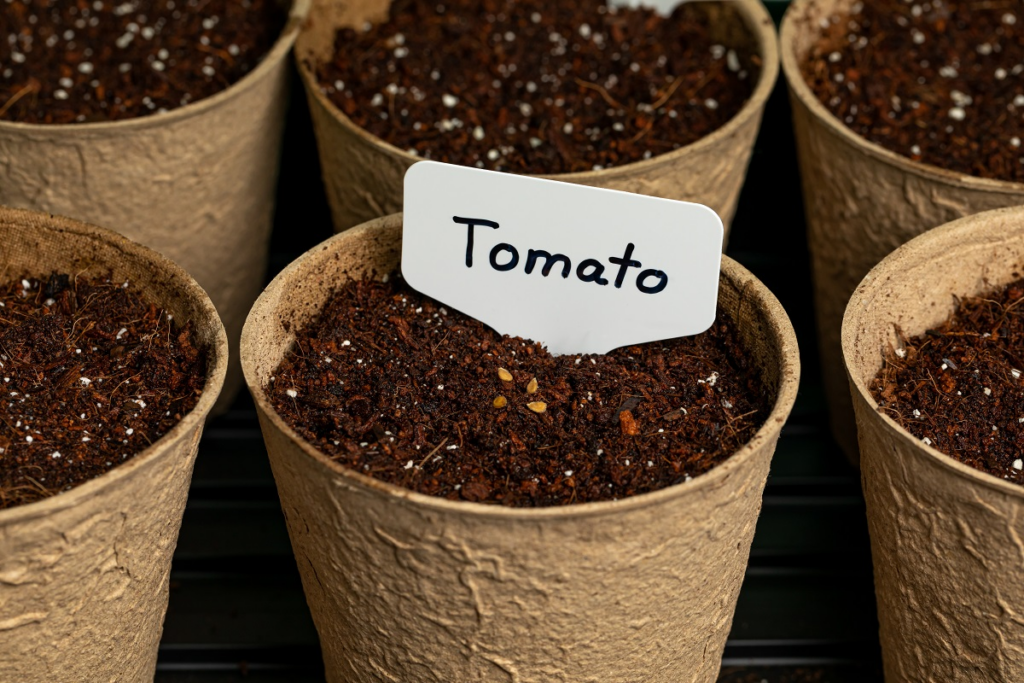
Understanding that the preservation of traditional seeds is an essential part of Greek cuisine’s flavors is crucial. The seed, cultivation method, microclimate, and cooking technique all contribute to the narrative that gives authenticity to Greece’s culinary heritage.
Have you ever wondered how difficult it is to save seeds and how they are recorded in the National Seed Bank? To find out more, we spoke with Danae Sfakianou, agronomist and head of the Lemnian Seed Ark. She collaborates with MedINA for the “Terra Graeca: Small Farm to Market” project, which aims to highlight local agro-food identities for sustainable development, supported by the John S. Latsis Public Benefit Foundation.
The Process of Preserving Local Varieties
Saving local seed varieties involves interviewing people, both professional and amateur farmers. Someone might have a small garden where they grow a variety of vegetables, legumes, or grains. For each local variety discovered, we gather information about its traditional cultivation methods as well as the modern techniques used by professionals. It’s important to know how long each variety has been cultivated and how it was passed down to them.
Seeds Must Be Ripe and Disease-Free
When collecting seeds, a process is followed. Visiting the cultivation site is crucial for observing and documenting the plant’s morphological characteristics. The fruits collected to harvest seeds for preservation in our Seed Ark must be ripe and disease-free. Seeds are dried using controlled temperature dryers to prevent them from losing viability. They are then stored either in freezers for long-term storage or in jars, with all relevant information attached, such as the type of seed, date of collection, region, name of the grower, and planting season.

The Biggest Challenge is the Variety of Purity
If a local variety is included in the national catalog of cultivated plant species, certified seeds can be produced, allowing farmers to receive an additional subsidy for growing local varieties. However, this is a lengthy process that can take years. The biggest challenge we face is maintaining the purity of the variety. Local varieties have significant variability, but for them to be registered, this variability must not exceed 10%. This means we must grow the local variety repeatedly, removing plants or seeds that deviate from the variety’s characteristics to ensure purity.
Historical Data Collection Complicates Preservation
Another difficulty is gathering historical data for certain varieties. While Lemnos has been famous for its grain cultivation since ancient times, for crops like melons and tomatoes, it’s harder to find historical evidence of their existence or previous trade.
National Catalog and Intangible Cultural Heritage
Registering a local variety in the national catalog is also important for the country’s Intangible Cultural Heritage. In the last four years, we’ve submitted applications for six species, including Lathyrus ochrus (known locally as Afkos), two varieties of Lathyrus sativus (known as Lafyri), two tomato varieties, and a bean variety known as Gyftofasoulo. We also managed to register two varieties in the national catalog: Panagia Barley and Aspromyitiko Bean from Atsiki.
Info:
MedINA – Mediterranean Institute for Nature and Anthropos, www.med-ina.org
Ask me anything
Explore related questions




