





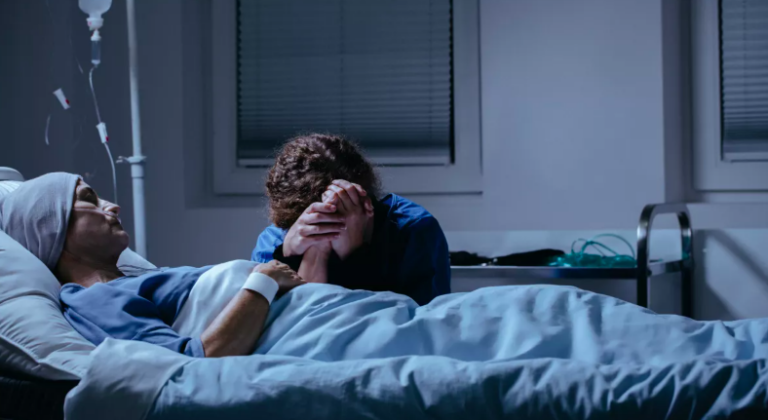
More than half of patients in the UK (58%) diagnosed with one of the six cancers with the lowest survival rates (brain, lung, liver, stomach, pancreatic, and esophageal cancers) die within one year, according to data from the “Less Survivable Cancers Taskforce,” a UK coalition of charities aiming to improve survival rates for cancers with the worst prognosis. For all cancers, the corresponding figure is about 30%
Survival statistics are even more alarming in Scotland, Northern Ireland, and Wales, where over 60% of deaths occur within one year of diagnosis. Each year, more than 90,000 people in the UK are diagnosed with one of the six aforementioned cancers, which are responsible for nearly half of the annual cancer deaths.
Diagnoses at Advanced Stages
One of the biggest challenges is diagnosing these cancers at an advanced stage, highlights Mail Online, which brought the issue to attention. Only 28% of patients in the UK are diagnosed early (at stage 1 or 2), compared to 54% for all other cancers. Experts warn that diagnosing these cancers at an advanced stage severely limits the potential for effective treatments that could improve survival rates.
RELATED ARTICLES
- New blood test detects 6 types of cancer in just a few ml of blood – What says the Greek co-leader of the research
- Cancer: “Under their feet” the risk of the disease for these Greeks
- Diagnosed with advanced stage colon cancer – A liver transplant saved her life
Patient Testimonials
Cheryle Brandon, a 52-year-old woman from Surrey, shared her “tough” experience with esophageal cancer, which was diagnosed in December 2022 at stage 4:
“My symptoms began with acid reflux and indigestion, and my doctor gave me antacid medication for my stomach. At first, I felt better, but about six months later, I started experiencing chest pain, trouble swallowing, and began choking when trying to eat. Further tests revealed that I had esophageal cancer, which was thought to have spread to my lungs, liver, vocal cords, and lymph nodes.
“My tumor was inoperable (because it was very close to my heart), but paradoxically, after exhausting chemotherapy and radiotherapy, I was told I was cancer-free. Now I live every moment and help raise awareness about this extremely aggressive disease.”
Brandon defied the odds and gave hope that, even in the most difficult cancers, a turnaround can occur. It’s the turnaround every patient hopes for, but unfortunately, it is not guaranteed.
A few years ago, fans of Harry Potter said goodbye to their beloved Professor Snape, actor Alan Rickman, who was diagnosed with pancreatic cancer in 2015 and passed away a year later at the age of 69. The same disease took the life of American actor Patrick Swayze in 2009, just 18 months after his diagnosis. Finally, Tom Parker, lead singer of The Wanted, passed away in March 2022, two years after being diagnosed with inoperable glioblastoma (a brain tumor).
The Need for Immediate Action
Despite their prevalence, research into the cancers with the lowest survival rates is underfunded. Anna Jewell, president of the Less Survivable Cancers Taskforce, said: “The fact that more than half of people diagnosed with an aggressive cancer will not survive beyond one year is simply unacceptable. It is essential that all UK governments take immediate action to develop and implement national action plans targeted at the cancers with the worst prognosis to improve outcomes for these patients.
Ask me anything
Explore related questions




