






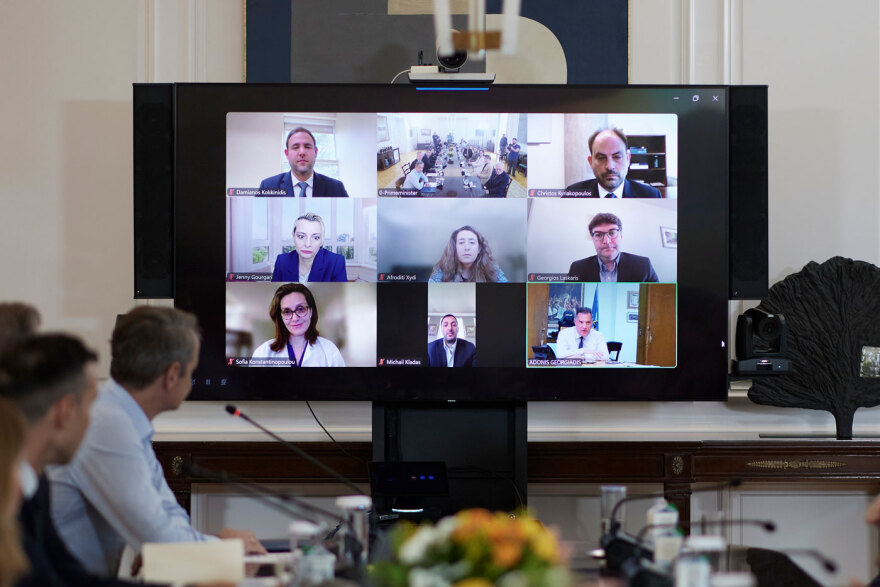
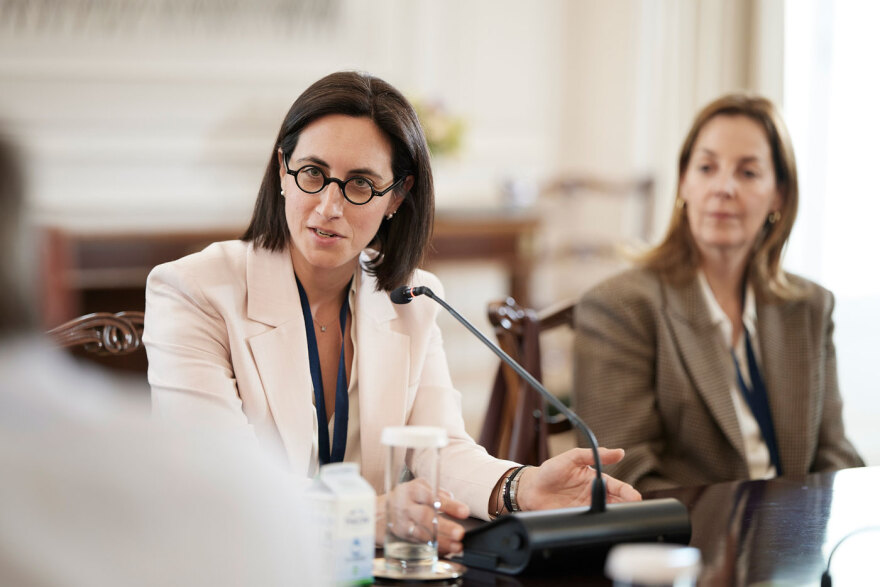
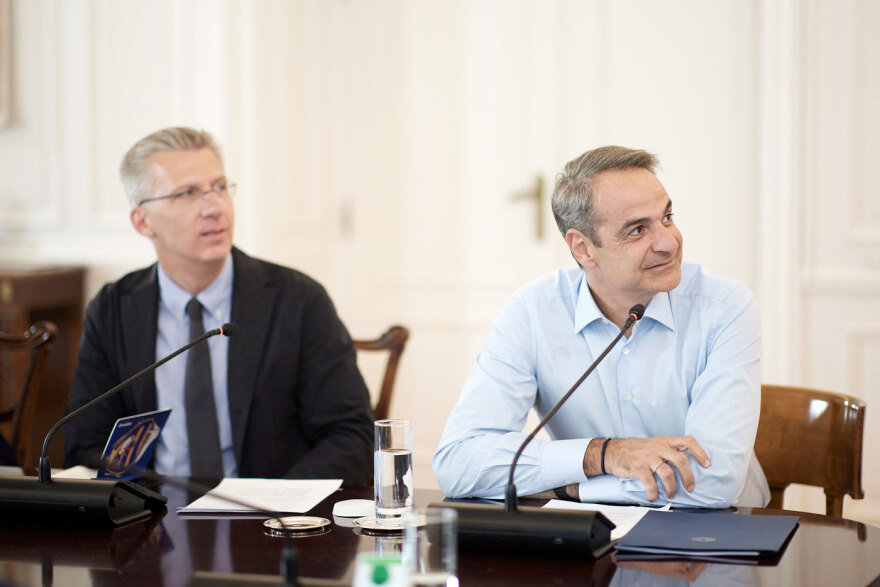
Prime Minister Kyriakos Mitsotakis held discussions on Monday, both in person and via videoconference, with Greek doctors working in the U.S. and their colleagues in Greece regarding the government’s initiative to legislate the automatic recognition of medical specialties and subspecialties acquired in the United States. This measure aims to allow them to offer their services in Greece without bureaucratic obstacles.
According to the regulation being promoted by the Ministry of Health, doctors who have obtained a specialty in the U.S. certified by the relevant American body will be able to have their specialty automatically recognized in Greece by submitting a simple application to the Panhellenic Medical Association. For subspecialties, recognition will also be automatic upon submitting the relevant certificate, as long as the specific subspecialty is officially recognized in Greece.
“We decided, along with the Minister and Deputy Minister, to cut the Gordian knot and introduce a provision for the automatic recognition of specialty and subspecialty for those certified in the U.S. by the corresponding bodies,” said the Prime Minister. “This way, we can solve the bureaucratic issue that, I understand, troubles many of you. This regulation could also help in the repatriation of Greeks from the U.S. who may be deterred by the current complicated recognition procedures.”
The Ministerial Decision on specialty recognition is expected to be signed in the coming days, and the legislative regulation on subspecialty recognition will be submitted to Parliament within the week.
“With these two legislative moves, we will have resolved the entire issue we inherited,” said Minister of Health Adonis Georgiadis. “The fundamental idea is obvious: if you have earned such prestigious titles from the U.S., there should be no real doubt about your qualifications.” He noted the new provisions are the result of months of work.
“Anyone who has trained and worked in the U.S. is universally acknowledged for their high-level education and professional expertise. Based on that, we move forward with this regulation,” added Deputy Health Minister Marios Themistocleous. “Our country will be among the first to implement automatic recognition.”
Doctors participating in the discussion expressed satisfaction with the government’s quick response to their proposals and stressed the importance of automatic recognition in facilitating the return of scientists wishing to repatriate, collaborate with Greek colleagues, or contribute academically.
“This is a very sound decision. We’re particularly pleased you made it. We’re grateful,” said emeritus professor of Pediatrics and Endocrinology George Chrousos. “There are many Greeks who are interested in returning and offering their services in remote areas.”
“With this decision, you will significantly enhance the scientific contribution of our community through the support of distinguished colleagues both from abroad and within Greece,” said Evangelia Charmandari, professor of Pediatric and Adolescent Endocrinology at the National and Kapodistrian University of Athens and president of the Hellenic Society of Pediatric and Adolescent Endocrinology.
“There are many highly qualified Greek doctors in the U.S. holding major administrative and research roles. For many of us, returning to Greece has been a long-standing desire, and this new initiative certainly makes things easier,” said Christos Kyriakopoulos, associate professor of Oncology at the University of Wisconsin.
“This is a historic moment, and not only for us, but also for future doctors coming to the U.S. who will greatly benefit from this decision,” said Jenny Gourgari, associate professor of Pediatric Endocrinology at Georgetown University. “One of the major obstacles that troubled Greek doctors in the U.S. is now being resolved.”
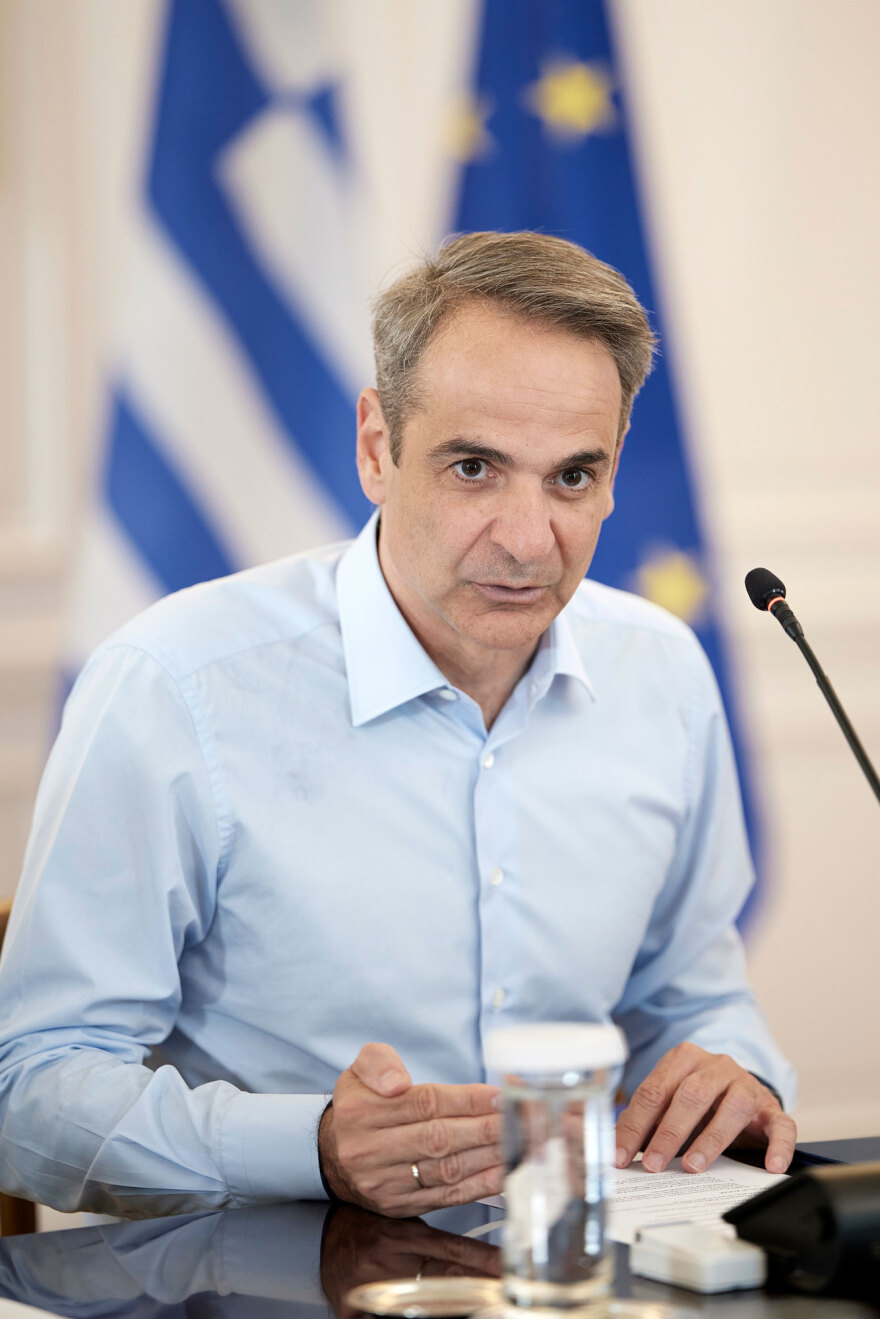
“It is deeply satisfying for us to resolve this issue,” emphasized Kyriakos Mitsotakis. “I hope this is the beginning of more of you doing more things in Greece.”

“An incredibly successful example” of brain gain
Damianos Kokkinidis of Yale School of Medicine highlighted the broader value of the new regulation for the repatriation of Greeks abroad and noted that it could be expanded to other scientific fields.
“This is an incredibly successful example of how a small regulatory change or incentive—one that essentially costs nothing—can truly contribute to brain gain. Perhaps this model can be applied later to other sectors. We are essentially competing globally—between the EU, the U.S., and others—for talent,” Kokkinidis emphasized.
“We have had a policy focused on brain regain for years, and it is producing real results,” Mitsotakis responded. “Obviously, it is tied to the overall progress of the country. If someone doesn’t trust the trajectory of the nation, they’re unlikely to leave a good position abroad to return home. But now, Greece is an orderly country that offers a clear sense of hope for the near and long-term future. That plays a vital role in our efforts to bring people back.”
He continued, “We’re taking action—through the Ministry of Labor’s brain regain initiatives abroad—by connecting companies with Greeks living overseas, and the response has been impressive. Hopefully, we can do something similar and more targeted in the health and medical science sectors, because we have incredible human capital excelling abroad.”
Mitsotakis also reminded participants of the generous tax incentives available: a 50% reduction in income tax for 7 years for foreign tax residents who return to work in Greece.
Ask me anything
Explore related questions




