






What does it mean to establish the first crematorium in a country with deep religious roots and strong traditions like Greece?
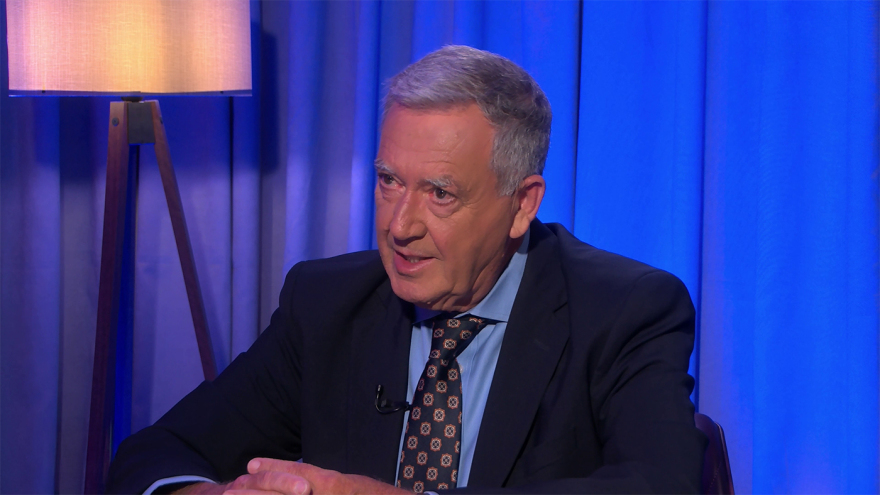
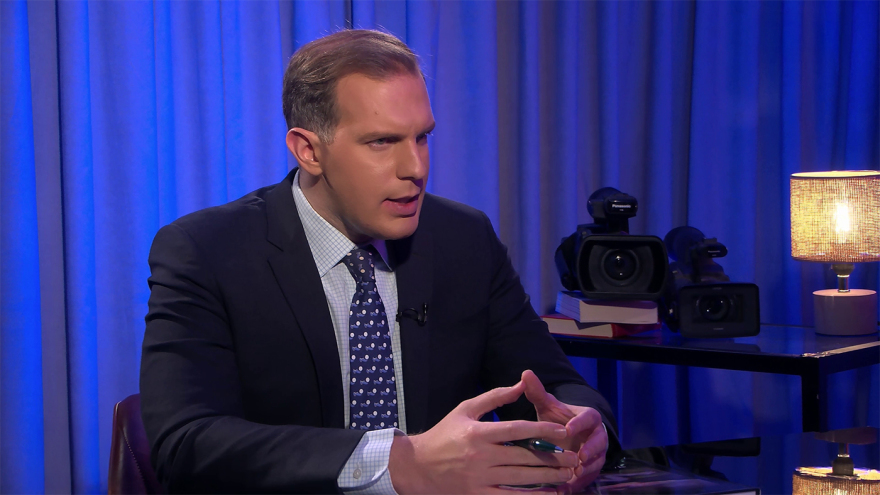
On Direct with Giorgos Evgenidis, Antonis Alakiotis, president of the Hellenic Cremation Society, tells the long and painful story that led to the opening of Greece’s first crematorium — and how, after six years of operation, the “final wish” has become a tangible option.
It all began with a promise: Mr. Alakiotis recounts that in 1996, he promised his friend, painter Pavlos Moschidis, that he would work to make cremation possible in Greece.
In reality, however, it took 23 full years to overcome the institutional, political, and religious obstacles.
The reactions from the Christian world were intense — as early as 1917, the Catholic Church had issued a decree against cremation — and the Church of Greece to this day maintains reservations or open opposition.
Mr. Alakiotis pointed out several critical moments in the process:
At first, despite early efforts, the corresponding bill was not signed under Alekos Papadopoulos.
In 2004, a new proposal was submitted — Dora Bakoyannis and Miltiadis Evert signed it, but then-Minister of the Interior Kostas Skandalidis refused.
The law was finally passed in 2006, thanks to Bakoyannis (then Mayor of Athens) and her interventions with both the Church and key political figures such as Archbishop Christodoulos and Prokopis Pavlopoulos.
Subsequently, protests and political indifference delayed its implementation.
In 2009, a Joint Ministerial Decision (JMD) was attempted, and later the issue was transferred to municipal jurisdiction.
The challenges at the municipal level were immense — partly due to the fear of political cost, and partly because of administrative and property complications (for example, the Zografou cemetery was deemed “of unknown ownership” and “encroached”).
The Municipality of Markopoulo initially took a positive stance, with a unanimous decision, but the intervention of the Bishop of Mesogaia changed things.
As Mr. Alakiotis recalls, “at the new municipal council meeting, the Church surrounded both me and the mayor with curses and insults.”
The First Cremation and the “Gradual Acceptance”
The first official cremation in Greece took place on September 30, 2019, in Ritsona — that of a woman from Crete.
Mr. Alakiotis recalls that her children told him they would have been forced to bury her — despite her wish for cremation — if they couldn’t find a priest willing to perform the final anointing.
Since then, he says, demand has risen sharply: they started with about 2,400 cremations per year, and now the number reaches 5,000 annually.
Regarding the Church’s opposition, Alakiotis emphasizes:
“Death is the Church’s heavy industry,”
referring to the ceremonies, memorial services, and family visits that bring financial and social ‘profits’ to the religious establishment.
As for the future, he mentioned that a new crematorium in Thessaloniki is already underway — a development that, if completed, will make the option of cremation accessible throughout Greece.

Ask me anything
Explore related questions




