





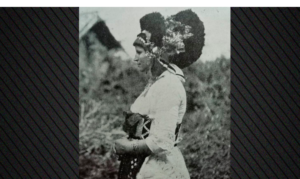
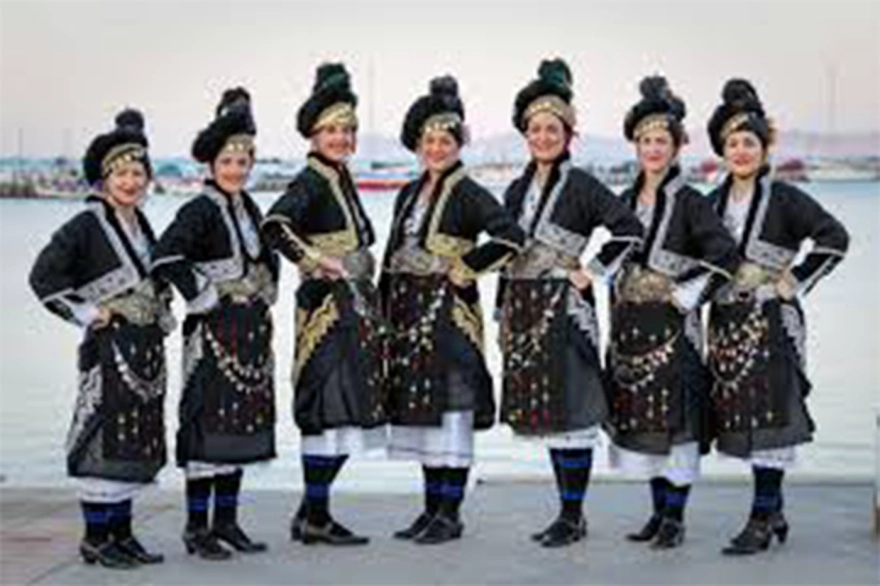
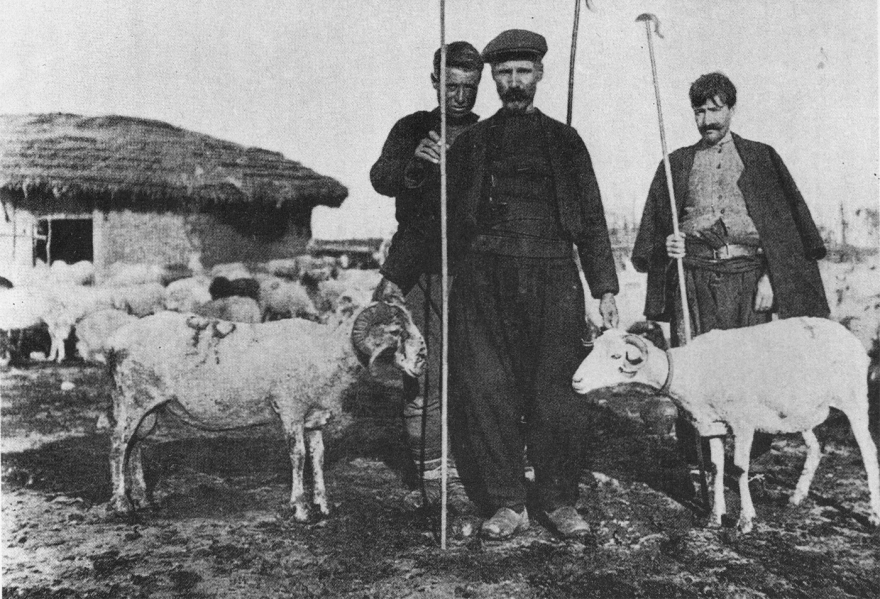
In early December of this year, the name Roumlouki resurfaced in the news due to the unfortunate culling of a flock of sheep infected with smallpox. The farmer insisted these animals were “Roumlouki sheep,” a rare, local historical breed. While protothema.gr provided comprehensive coverage of the incident, many media outlets did not explore the rich history behind the name Roumlouki or the significance of the region.
Our research led us to a series of books by Mr. Ioannis Moschopoulos, a lawyer from Alexandria, Imathia, who has extensively documented the history of Roumlouki (also known as Campania). We reached out to Mr. Moschopoulos, who graciously allowed us to use material from his book, Roumlouki (Campania) during the Early and Middle Ottoman Period (14th Century–1830), published by Entefktirio Publishing in Thessaloniki (2012), as well as sharing additional insights. We extend our warm thanks to him.
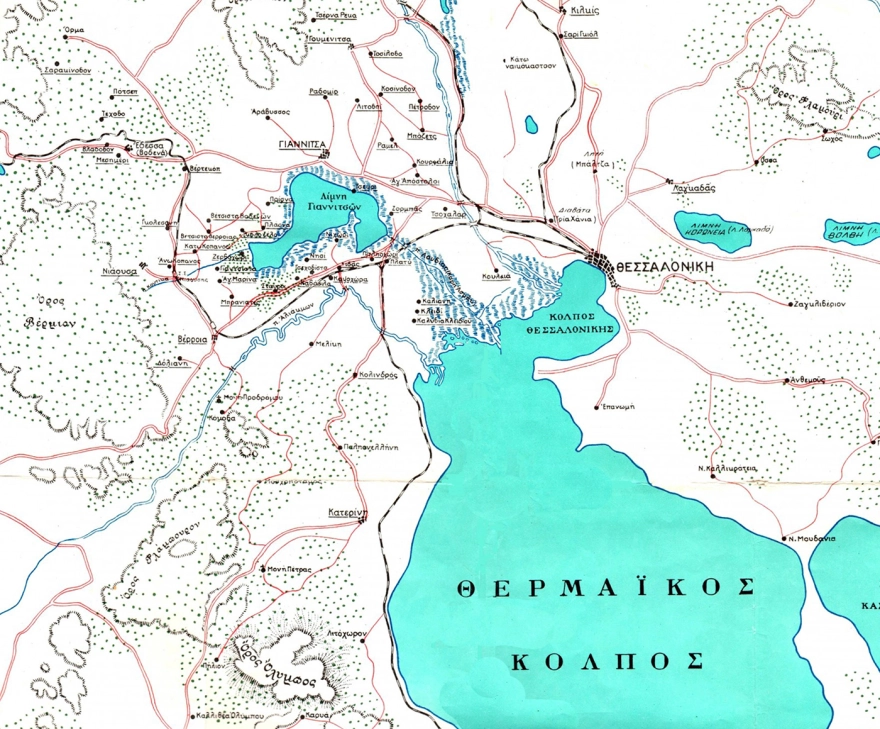
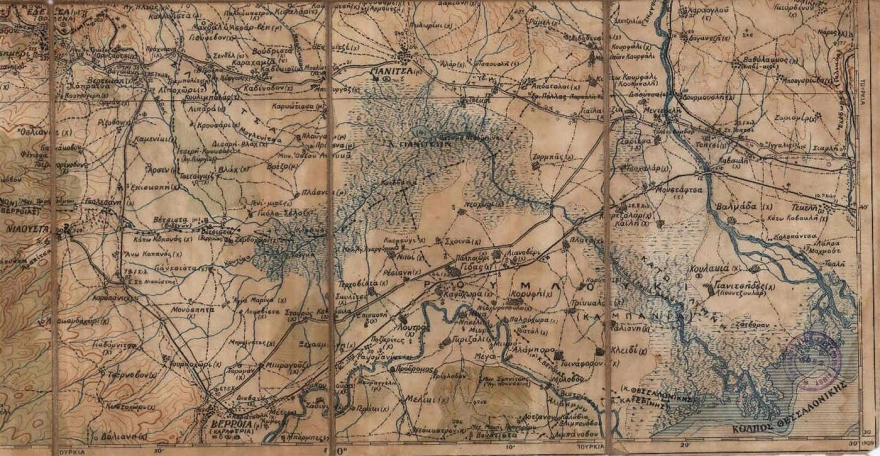
To put it simply, Roumlouki was the name, during the later years of Ottoman rule, for the area of the fertile plain between Veria and Thessaloniki in Macedonia. Before that, the region was known as Campania. But how did this name come about? According to Ioannis Moschopoulos, in his Campania (Roumlouki) in the Byzantine Years, Vol. B, University Studio Press, Thessaloniki (2004), the area now called Roumlouki was historically inhabited by Macedonians — specifically the Bottiae or Vettii — and likely by Roman-Italians, Gauls, and Illyrian veteran soldiers of the Roman army, who had been granted lands here to cultivate. The Romans or Gauls referred to the fertile plains along the lower course of the Aliakmon River as Campania.
The Latin word campus means “field,” while Campania translates as “fertile plain.” In Italian, campagna means “plain” or “countryside.” Notably, Campania is also a region in Italy — including the province of Salerno — and Campagna di Roma (Campania of Rome) describes the fertile plains surrounding Rome. In Roman times, this Macedonian plain was dotted with villas, gardens, and small villages. It was also a seasonal refuge for many sheep flocks in winter.
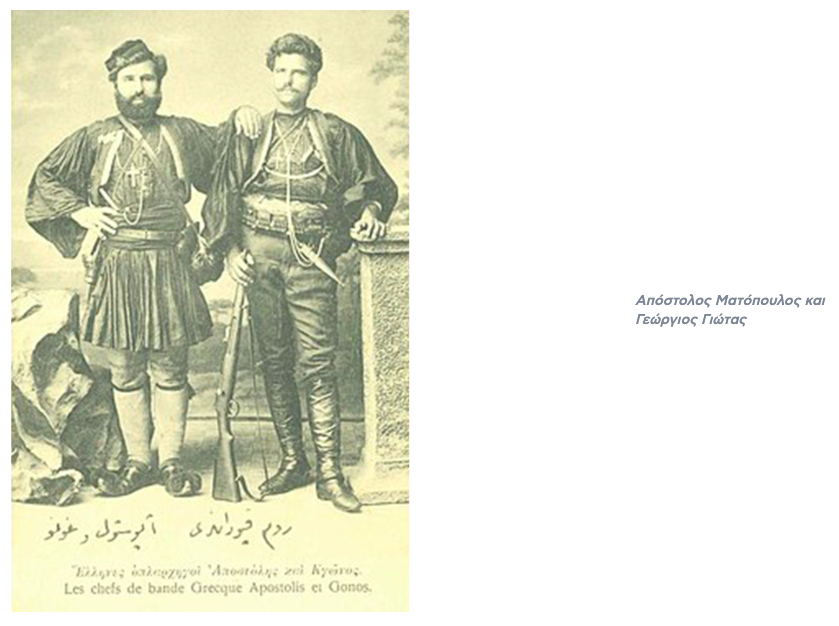
Similarly, in French (or Gallic), the word campagne also means “countryside” or “fields.” The French province called Campagne, situated between Île-de-France and Lorraine, was named for its gently rolling plains, irrigated by several rivers, and prized as pastureland. It’s likely the Romans or Gauls named this Macedonian plain Campania by analogy with the fertile regions of their homelands. However, it remains unclear whether Campania referred to the entire Central Macedonian plain — bordered by the mountains Pieria, Vermio, Paiko, Chortiatis, and the Thermaic Gulf — or just the stretch between Veria and Thessaloniki.
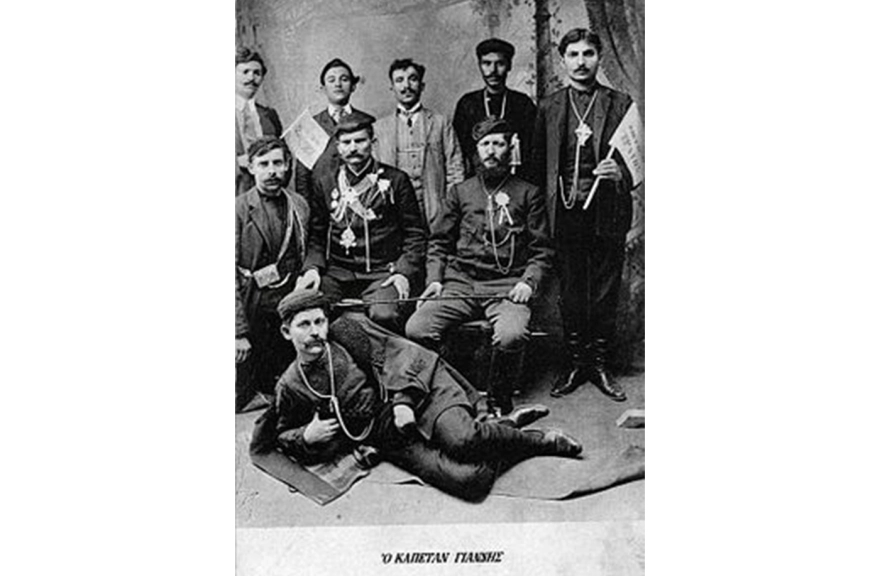
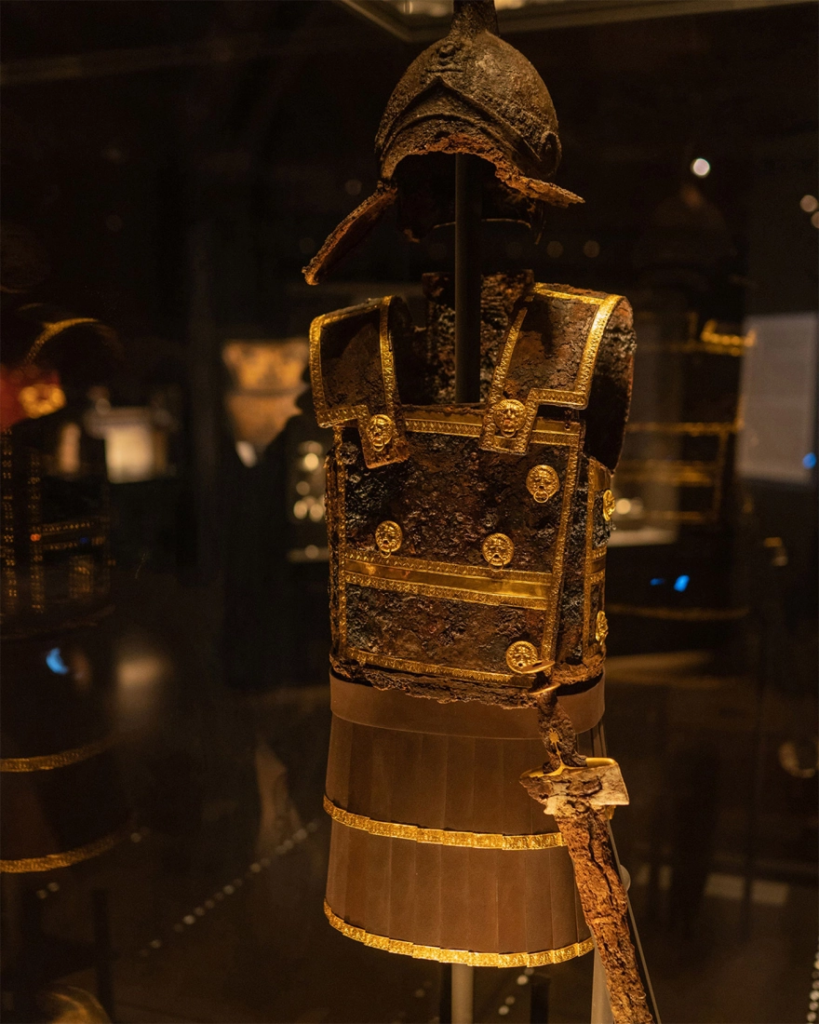
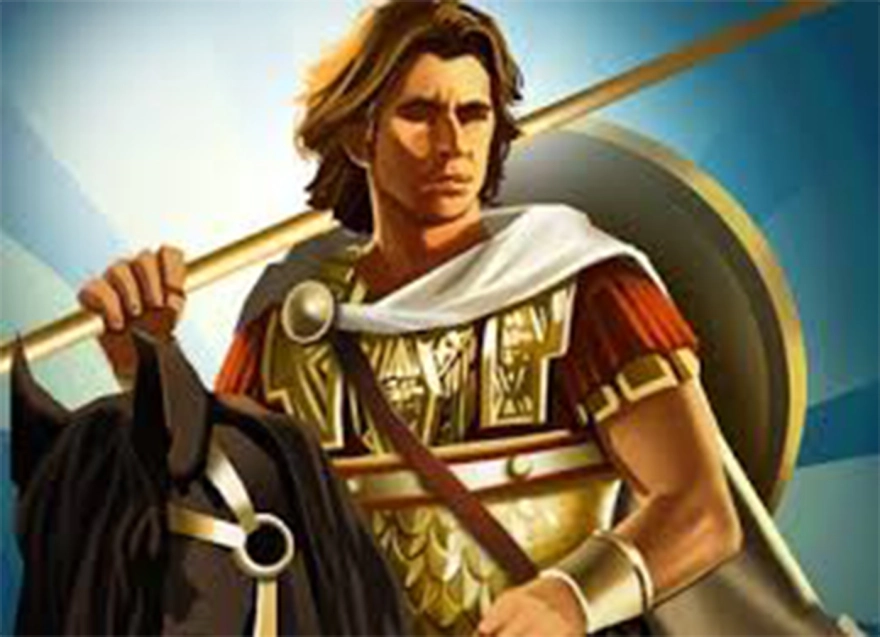
According to Moschopoulos, the plain was originally divided among Macedonian kings and was continuously cultivated by soldier-farmers until the end of Roman rule. The history of Roumlouki spans from the time of Alexander the Great and his female warriors, through Roman and Byzantine influence, and into the Ottoman era — a land rich with cultural and agricultural significance, including its unique breed of sheep and goats.
Ask me anything
Explore related questions




