





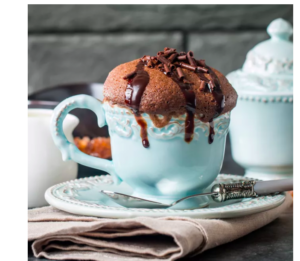
The soufflé is one of the most iconic dishes of French gastronomy—and also one of the most misunderstood by Greek audiences. Where does the confusion lie? Let’s start by clarifying one key point: a soufflé is an egg-based dish, not a pasta dish. Its success depends on understanding the chemistry behind every stage of the process. So get ready to explore, step by step, the secrets behind a flawless soufflé.
The Secret of Meringue: Trapping Air Bubbles
The foundation of any successful soufflé is the meringue, which acts as a “trap” for air. Whisking egg whites leads to the partial denaturation of egg proteins such as ovalbumen. These proteins, initially coiled like a ball of yarn, unfold and form a network around air bubbles. The better the meringue is whipped, the stronger this structure becomes, allowing the soufflé to achieve its signature rise.
When properly whipped, the meringue forms a stable foam that can hold its shape even if the bowl is turned upside down. One critical point to watch is the separation of egg whites from yolks: yolks contain fats that can disrupt the process. This is also why plastic bowls should be avoided, as they tend to retain traces of fat.
Gentle Folding: Meringue Meets Béchamel
The next stage is incorporating the meringue into the béchamel mixture—a step that requires patience and care. Because of the difference in density, the meringue should be added gradually. Using a spatula, fold gently from the bottom up. This technique prevents the release of trapped air bubbles, ensuring the soufflé remains light and airy.
Proper Preparation of the Ramekins: The Path to Perfect Rise
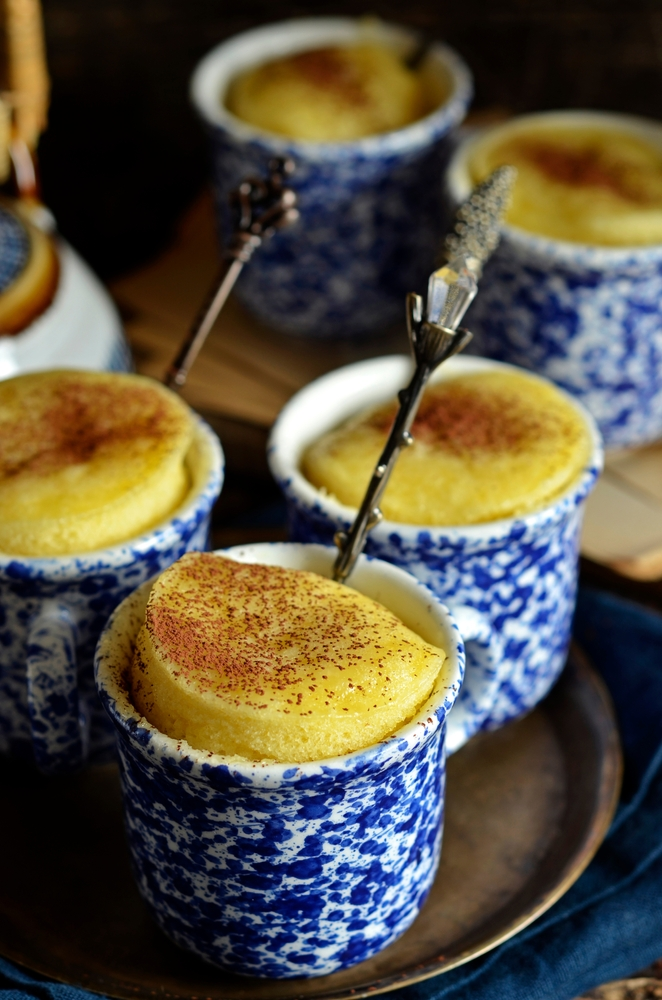
Another crucial step is preparing the ramekins. Buttering and dusting them with flour ensures that the soufflé can rise freely without sticking to the sides. Simply put, this process allows the soufflé to lift evenly and achieve a uniform expansion.
Baking: The Art of Temperature and Timing
Oven temperature plays a decisive role in the final result. At 180°C (356°F), maximum rise is achieved, while at 200°C (392°F) the soufflé develops a crispier crust. For a firmer interior texture, a lower temperature—around 150°C (302°F)—is ideal.
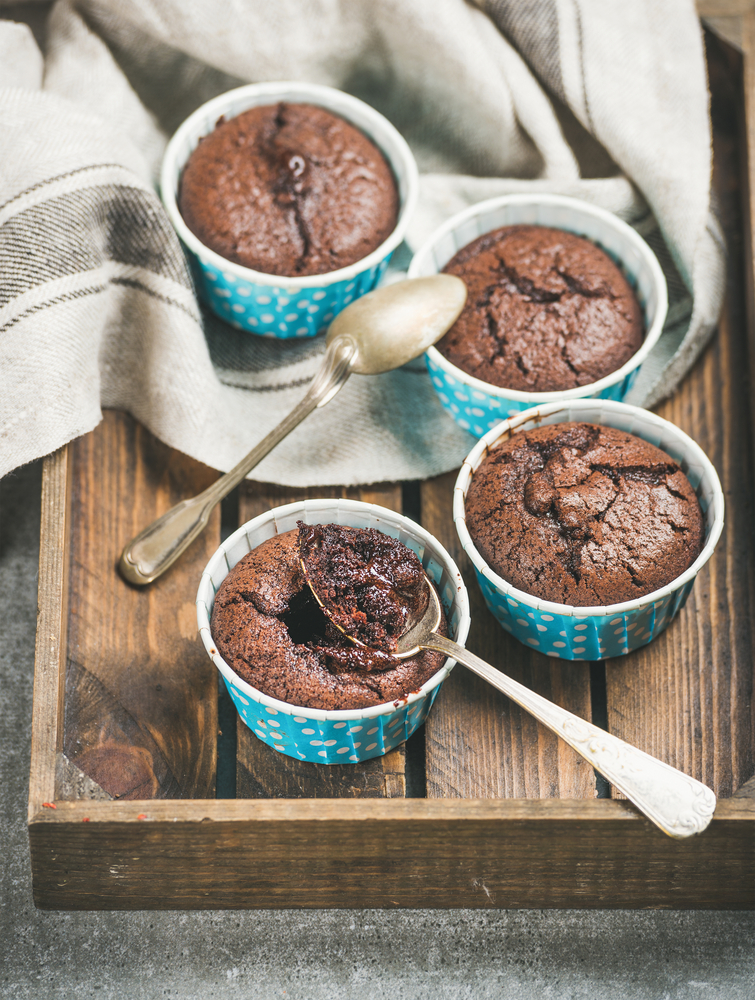
The oven door must remain closed throughout baking. Opening it can disrupt the denaturation and cause the soufflé to lose its form. For even rising, ramekins can also be placed in a water bath (bain-marie), allowing steam to create a softer surface.
The Nutritional Value of Soufflé
Soufflé is not only delicious but also nutritious. It contains high-quality proteins from eggs and milk and is a good source of calcium and fat-soluble vitamins, depending on the ingredients used. Lighter versions can be made by reducing butter or choosing lower-fat cheeses. It can also be enriched with vegetables—or even chocolate—depending on personal taste.
The perfect soufflé is a game of precision, where knowledge of food science makes all the difference. With proper whipping, careful folding, and precise baking, you can enjoy a soufflé that impresses even the most demanding palate.
Ask me anything
Explore related questions




