

×
GreekEnglish

×
  • Politics
  • Diaspora
  • World
  • Lifestyle
  • Travel
  • Culture
  • Sports
  • Cooking
Saturday
31
Jan 2026
weather symbol
Athens 14°C
  • Home
  • Politics
  • Economy
  • World
  • Diaspora
  • Lifestyle
  • Travel
  • Culture
  • Sports
  • Mediterranean Cooking
  • Weather
Contact follow Protothema:
Powered by Cloudevo
> Culture

The dirty side of Pompeii: baths filled with sweat and urine, according to a new study

Hygiene was far from ideal in the Roman city, which was not connected to a river and relied on wells more than 30 meters deep for its water – What a new scientific study revealed

Newsroom January 23 06:30

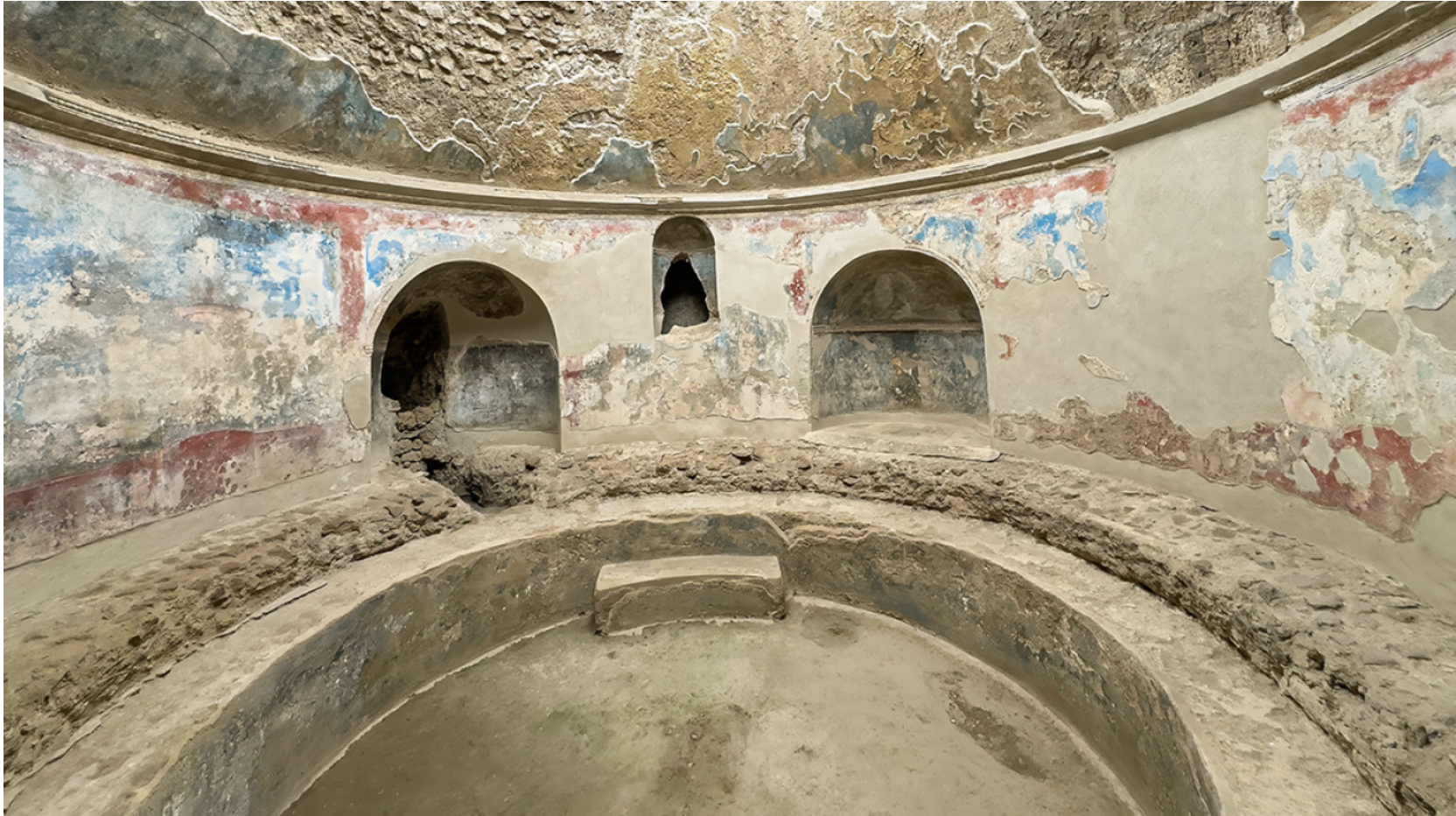
New evidence about hygiene conditions in ancient Pompeii has come to light through a scientific study based on the analysis of limescale deposits found in wells, pipes, and bathhouse walls of the city, which was destroyed in 79 AD by the eruption of Mount Vesuvius.

According to the study, Pompeii’s earliest public baths did not meet the high hygiene standards usually attributed to Roman civilization. As explained by the lead researcher, Dr. Gul Surmelihindi of Johannes Gutenberg University, the water in the baths was repeatedly recycled, resulting in contamination from sweat, body oils, urine, and other organic residues.

According to gbnews.com, the researchers focused on the so-called Republican Baths, which were built in the 2nd century BC, during the Republican period. These baths continued operating into the early 1st century AD.

A decisive role in the research was played by carbonate limescale deposits, which form in layers over time, similar to tree rings. These layers trap carbon atoms, recording when organic materials entered the water supply system.

Human waste leaves a characteristic chemical “fingerprint,” allowing scientists to reconstruct water quality conditions.

Pompeii had no nearby river and for centuries relied on wells deeper than 30 meters. Slaves used wheel-based mechanisms to draw up water, a labor-intensive process that significantly limited the amount of water available.

As a result, the baths could refresh their water, at best, once per day—while in some cases this occurred only every two days.
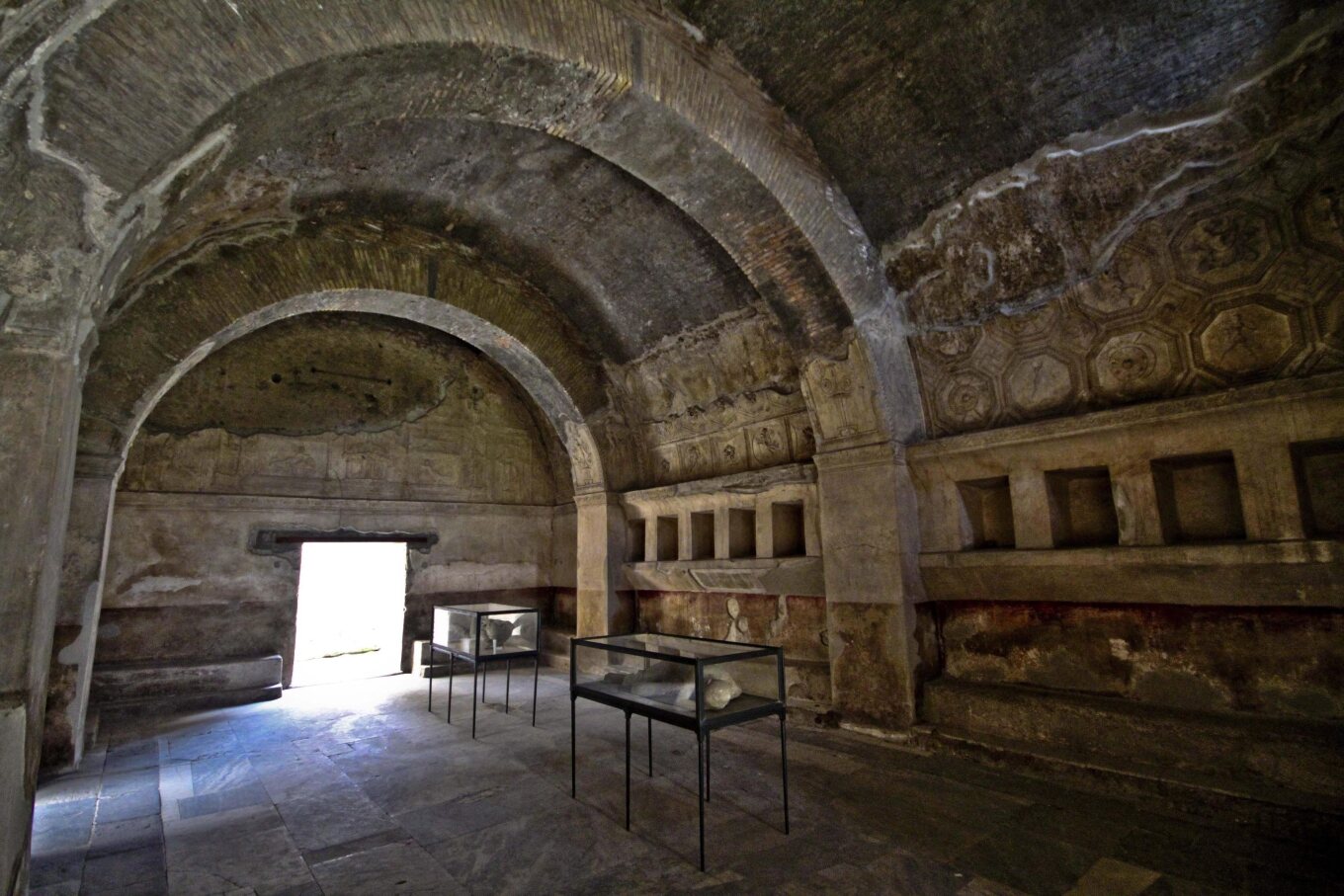
Analyses revealed major differences in carbon isotopes between wells, reservoirs, and sewers, with the latter showing the highest levels of pollution. Scientists attribute this to the accumulation of human waste and the microorganisms that developed within it.

>Related articles

Greece: Flyover on Kifisos under consideration and relocation of businesses outside Athens

Emergency Weather Bulletin: Prolonged heavy rainfall, thunderstorms & hail from tomorrow, Sunday

Mitsotakis on the 30th anniversary of the Imia crisis: There are no “grey zones” in the Aegean; once again we bow to the fallen

At the same time, risks from lead were identified, since water was transported through lead pipes. However, over time, mineral deposits built up inside the pipes, limiting the leaching of the metal into the water.

The situation improved significantly in the 1st century AD, when Emperor Augustus connected Pompeii to a large Roman aqueduct. The system carried clean water from the Apennine Mountains, using gravity instead of human labor, dramatically increasing water supply.

The more recent limescale deposits from this period are thinner and show different chemical characteristics, with far fewer indications of organic contamination—evidence that confirms the improvement in hygiene within the ancient city’s water system.

Ask me anything

Explore related questions

#culture#greece#Pompeii
> More Culture

Follow en.protothema.gr on Google News and be the first to know all the news

See all the latest News from Greece and the World, the moment they happen, at en.protothema.gr

> Latest Stories

Greece: Flyover on Kifisos under consideration and relocation of businesses outside Athens

January 31, 2026

Emergency Weather Bulletin: Prolonged heavy rainfall, thunderstorms & hail from tomorrow, Sunday

January 31, 2026

Mitsotakis on the 30th anniversary of the Imia crisis: There are no “grey zones” in the Aegean; once again we bow to the fallen

January 31, 2026

Imia Crisis 30 Years On: What brought down the helicopter? What really happened after the “no ships – no troops – no flags” decision? (video)

January 31, 2026

Horror in a basement in Thessaloniki: He strangled 46-year-old Maria and threw her in the trash, hid the body of 43-year-old Vicky

January 31, 2026

New Epstein documents: Photos show Prince Andrew over a woman lying on the floor (photos)

January 31, 2026

Historic opportunity for Greek agri-food products from the EU–India agreement – Tariffs on olive oil reduced to zero

January 31, 2026

Hellenic Police on Laura’s disappearance: It appears she had already landed in Germany when her disappearance was reported

January 31, 2026
All News

> Greece

Greece: Flyover on Kifisos under consideration and relocation of businesses outside Athens

The competent minister, Mr. Dimas, outlined the interventions that have been launched and the scenarios being examined to improve traffic flow in Attica and ease the road network of heavy vehicles

January 31, 2026

Emergency Weather Bulletin: Prolonged heavy rainfall, thunderstorms & hail from tomorrow, Sunday

January 31, 2026

Horror in a basement in Thessaloniki: He strangled 46-year-old Maria and threw her in the trash, hid the body of 43-year-old Vicky

January 31, 2026

Hellenic Police on Laura’s disappearance: It appears she had already landed in Germany when her disappearance was reported

January 31, 2026

Severe bad weather arriving over the weekend: When storms will hit Attica – Warning for six regions

January 30, 2026
Homepage
PERSONAL DATA PROTECTION POLICY COOKIES POLICY TERM OF USE
Powered by Cloudevo
Copyright © 2026 Πρώτο Θέμα



