





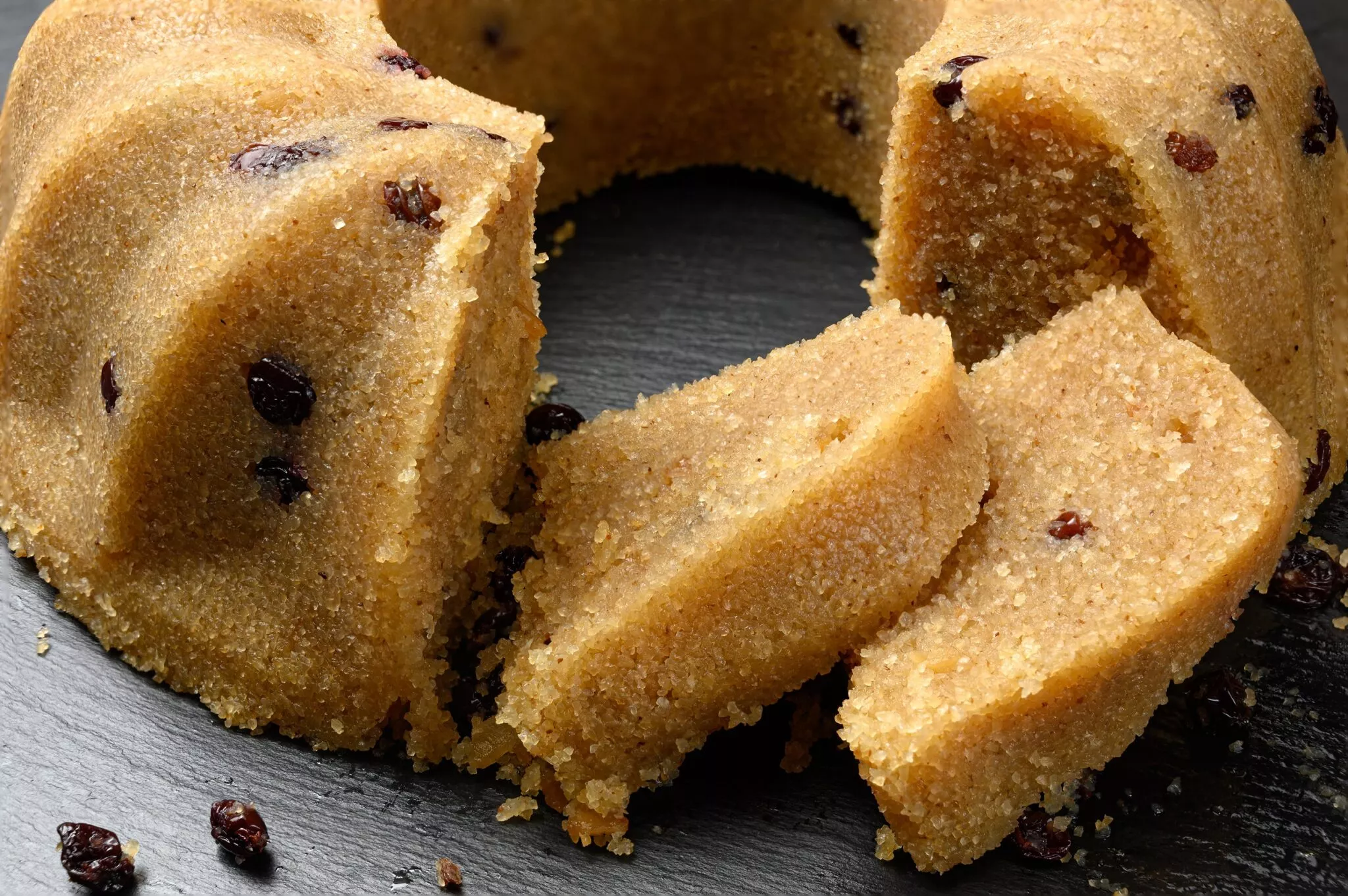
Halva is one of the most recognizable sweets of Lent, and also one of the most multifaceted in Greek tradition. Semolina halva, grocer’s halva, or Farsala halva — each version has its own technique, texture, and flavor profile, reflecting the raw ingredients and customs of each region. Before moving on to the 16 recipes, it is worth looking at how the main types of halva found on the Greek table were shaped.
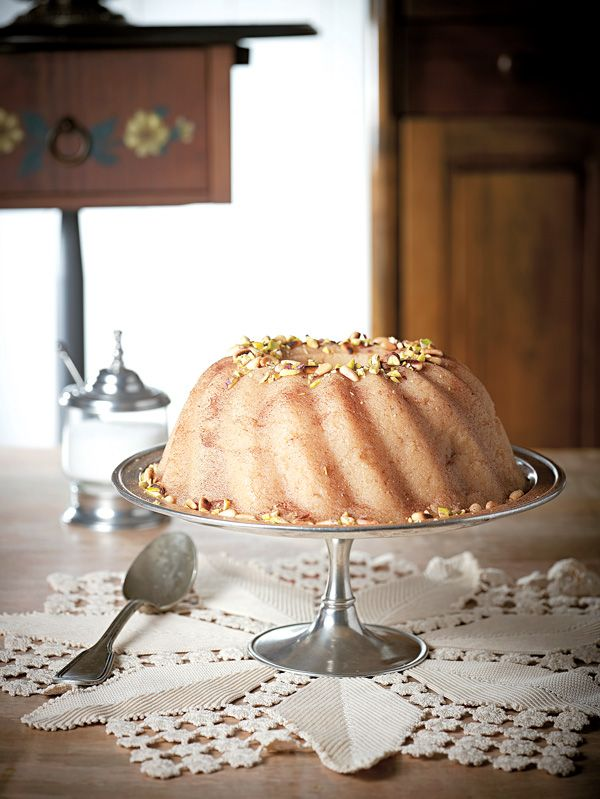
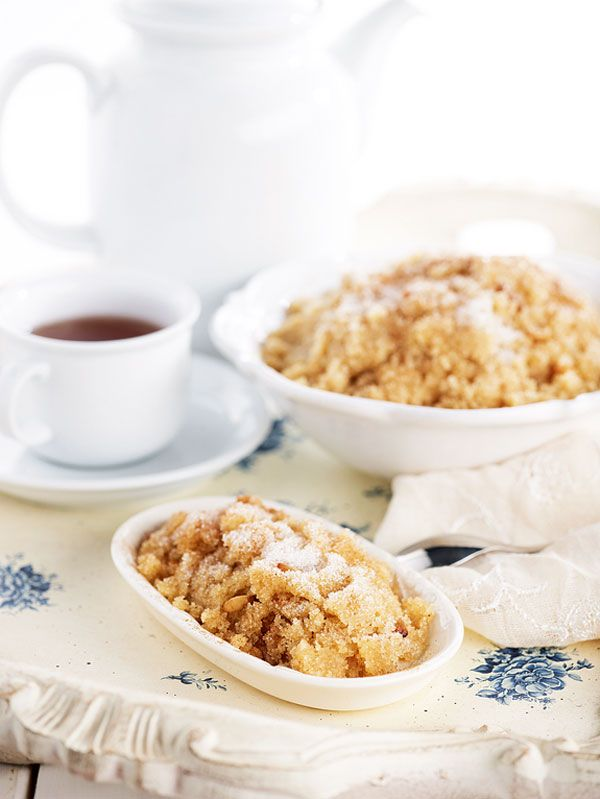
Semolina Halva
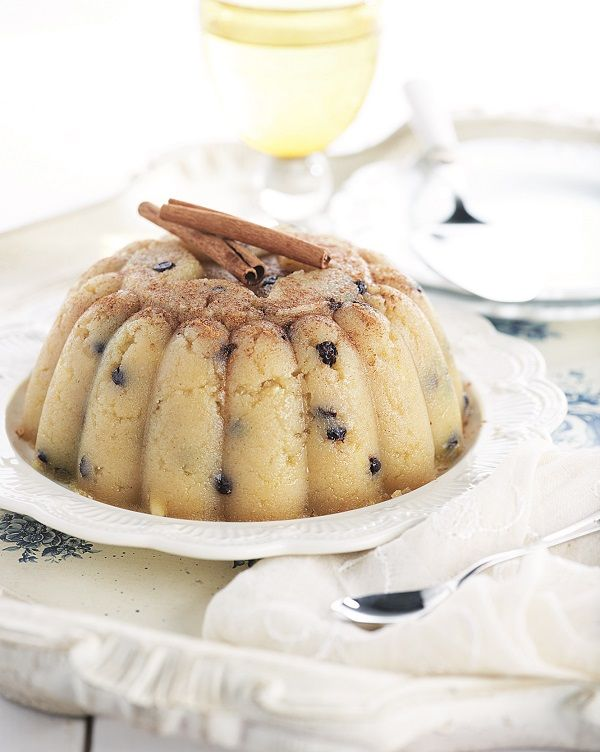
Semolina halva is the quintessential Lenten dessert, as it is made without animal products. Its basic recipe relies on four main ingredients: semolina, oil, sugar, and water, following the established “1-2-3-4” ratio. The semolina is toasted in vegetable oil — usually sunflower oil or olive oil — until it develops the desired color and aroma, and then a syrup made from sugar and water is added. It is often flavored with cinnamon and cloves and can be enriched with nuts such as almonds or walnuts, as well as raisins.
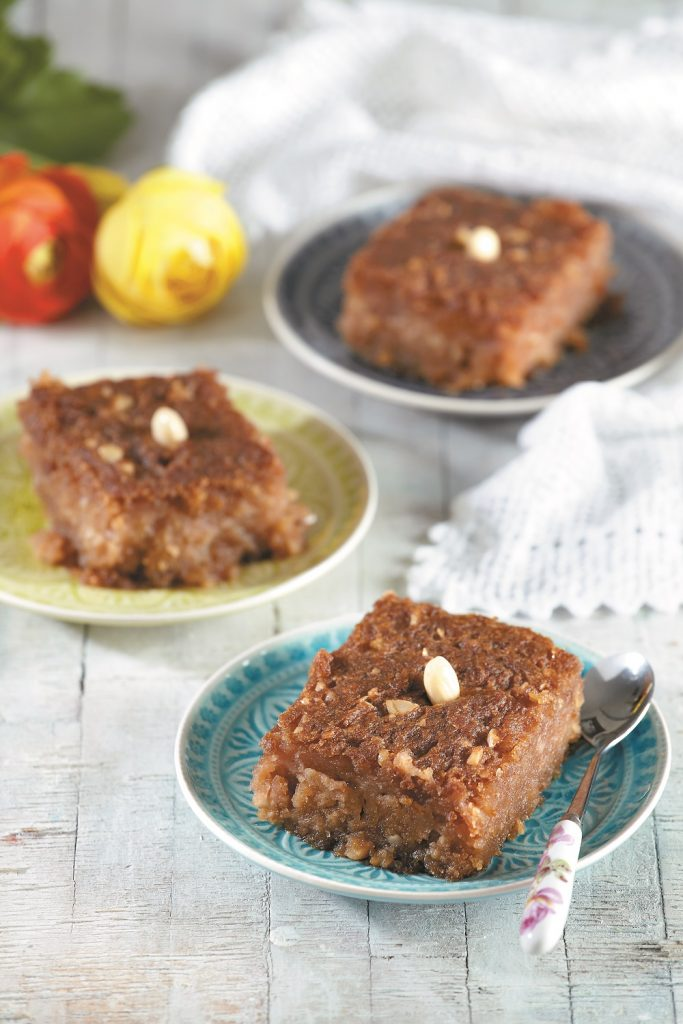
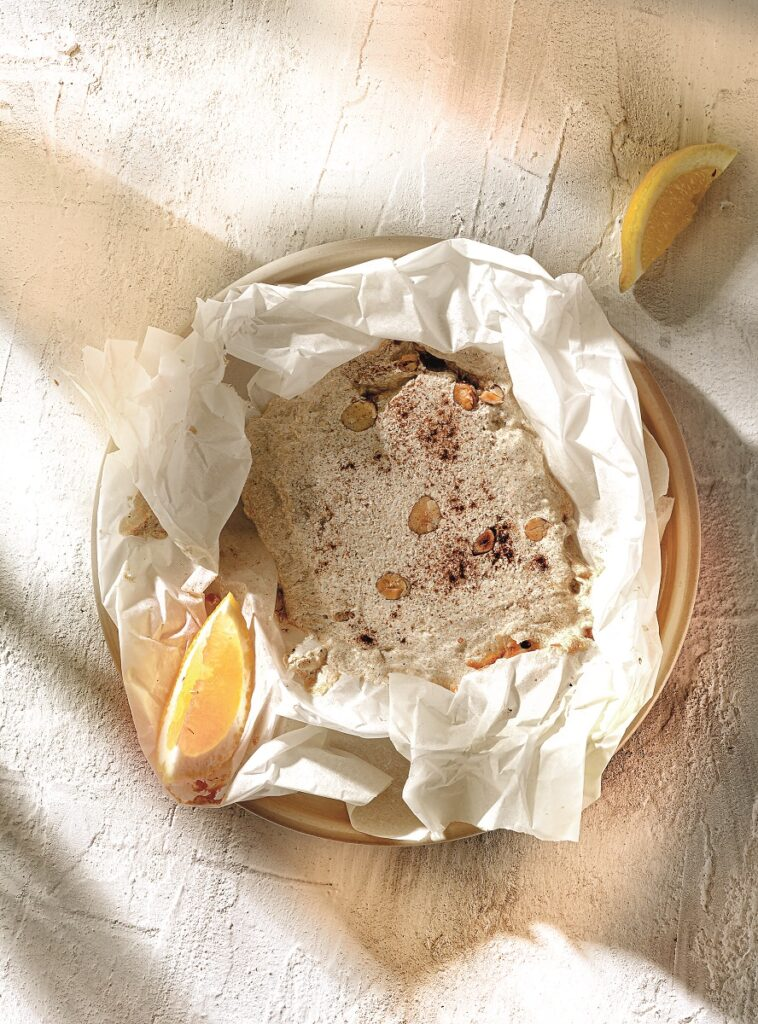
In various regions of Greece, there are variations in ingredients and preparation. In Macedonia and Thrace, more spices and often walnuts are added, and in some cases coarse semolina is used for a more “grainy” texture. On the islands of the Aegean, versions with almonds or orange zest for aroma are common, while in Crete there is also a variation with toasted sesame seeds or with grape molasses replacing part of the sugar. In some areas, halva is also made with butter and flour, differing in texture and in the way the syrup is incorporated.
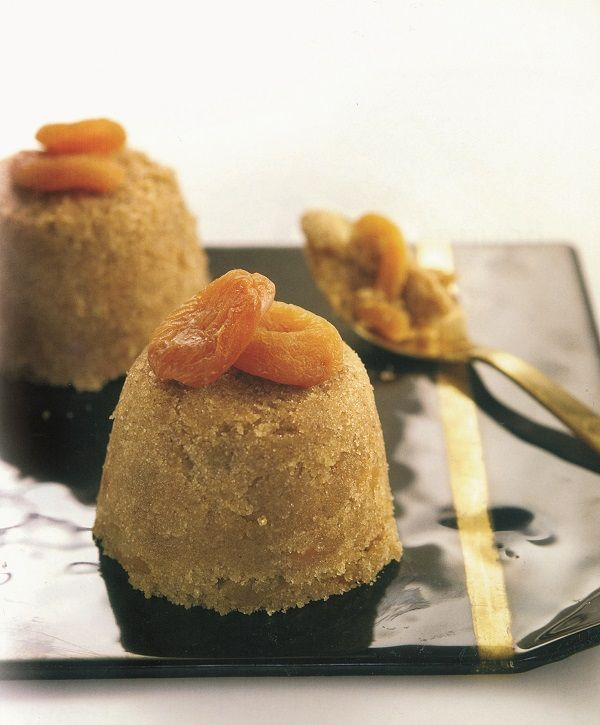
Despite regional differences, semolina halva remains a staple of Lenten fare and Greek family tradition. The simplicity of its ingredients, its ease of preparation, and the ability to adapt the recipe to local products explain its enduring presence on the Greek table during Lent.
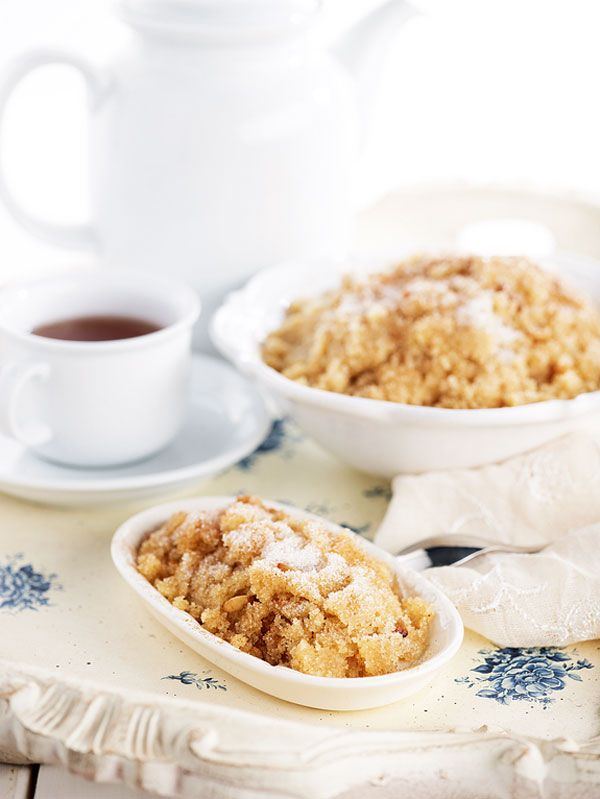
‘Macedonia’ Halva
An important place in Greek culinary tradition is also held by “Macedonian” halva. It is made from tahini (ground sesame paste) and sugar or glucose, without being cooked in syrup form as in semolina halva. Its texture is fibrous and compact, and it is often enriched with cocoa, vanilla, almonds, or peanuts. Due to its plant-based composition and the high nutritional value of sesame, it is widely consumed during Lent, but also throughout the year. Thus, different types of halva coexist on the Greek table, each with distinct technique, texture, and flavor, reflecting local traditions and regional ingredients.
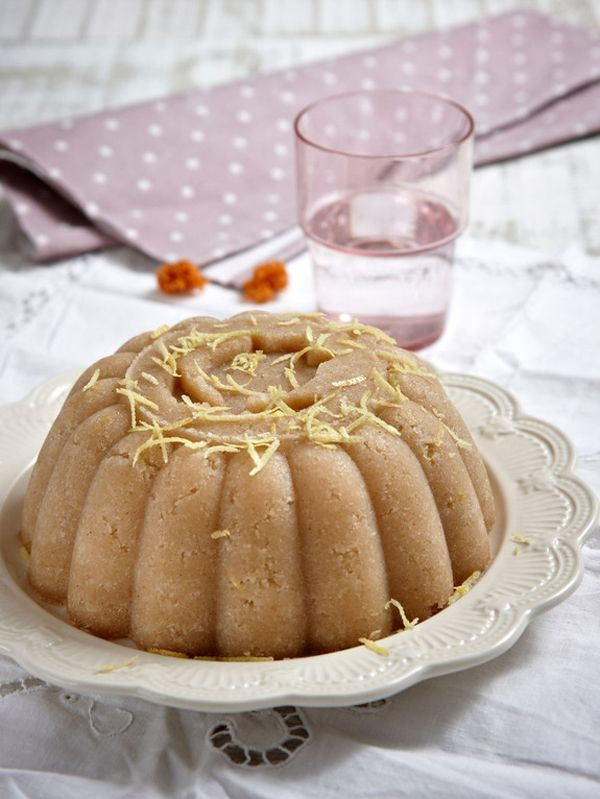
Farsala Halva
Within the broader context of Lenten sweets, mention should also be made of Farsala halva, which differs substantially from semolina halva. It is made mainly with starch or corn flour, sugar, water, and butter or vegetable fat. Its defining characteristic is its caramelized surface, created at the final stage of preparation, giving it a dark color and distinctive flavor. Its texture is elastic and firm, unlike the “grainy” texture of semolina halva, and it is traditionally cut into triangular or diamond-shaped pieces. Although not exclusively associated with Lent, it represents a distinct category of Greek halva with a long-standing local tradition.
Ask me anything
Explore related questions




