





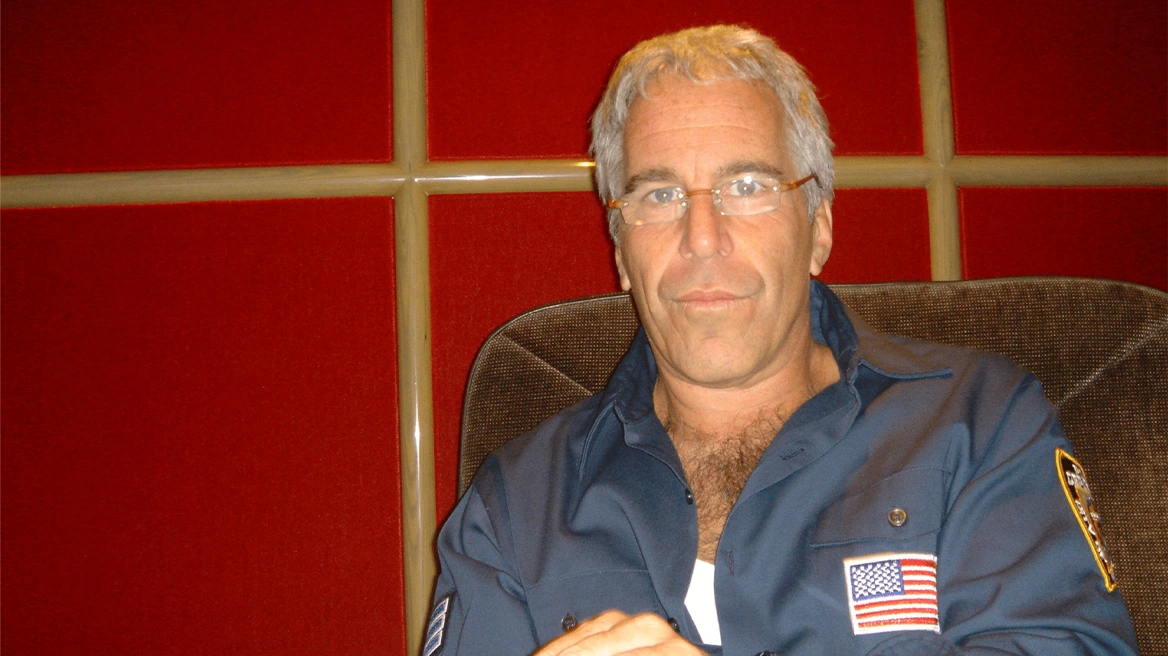
Deutsche Bank maintained a banking relationship with Jeffrey Epstein from 2013 until his arrest in the summer of 2019, managing hundreds of millions of dollars and approving new accounts and transactions, despite repeated warnings from its internal compliance departments about suspicious activity.
As reported by Financial Times, documents released by the U.S. Department of Justice include tens of thousands of emails outlining how the German bank onboarded and retained as a client a convicted sex offender classified as high risk—at a time when JPMorgan Chase had already severed ties with him in 2013.
A key role in bringing Epstein to Deutsche Bank was played by private banker Paul Morris, who had moved from JPMorgan to Deutsche Bank. In August 2013, Epstein wrote to him: “I will move all my accounts to you and Deutsche Bank.” Morris replied: “Jeffrey, excellent! I appreciate your loyalty and trust.” By October of that year, approximately $180 million had been transferred to Deutsche Bank. An internal message read: “Congratulations on the Epstein funding!”
Despite the client’s criminal past, a full enhanced reputational due diligence process for high-risk clients was not triggered. The onboarding proceeded on the condition that no additional issues would arise from know-your-customer and anti-money laundering checks.
Internal documents show that the bank viewed Epstein not only as a client but also as a gateway to ultra-wealthy entrepreneurs. A 2014 memo noted that he had “many important relationships” and described him as “a very good opportunity — we hope for a first-class relationship.”
Reports recorded contacts with Leon Black, co-founder of Apollo Global Management, as well as other figures from the business and political worlds. Despite expectations, banking relationships with some of them remained limited.
Transactions That Triggered Alerts
During the relationship, internal compliance teams repeatedly flagged payments to women in Eastern Europe and Russia. In March 2017, a transfer to a “Russian model” based in Moscow was reviewed. The final assessment stated: “This type of activity is common for this client and is not considered suspicious.”
Deutsche Bank later informed U.S. authorities that it had processed approximately $875,000 in payments to “alleged foreign models.”
At the same time, an increase in the daily cash withdrawal limit from $1,000 to $12,000 was approved. The New York regulator recorded that Epstein withdrew an average of $200,000 annually in cash, concluding that the failure to recognize the associated risk constituted a serious compliance lapse.
In 2018, a request was made to establish a new trust named Caterpillar Trust. In correspondence titled “URGENT Executive Committee approval required,” it was noted: “The client wishes to fund the account as soon as possible. Please approve as soon as you can.” Around the same period, in internal communication, a bank executive referred to a media report about Epstein’s activities and asked: “What exactly are they doing for Jeffrey Epstein?”
Despite the gradual escalation of publicity surrounding the sexual exploitation case, the relationship continued.
The Termination Decision and Extensions
In December 2018, Deutsche Bank informed Epstein that it was terminating the relationship, giving him until February 29, 2019, to transfer his funds. However, extensions were granted and transfers continued. An internal email stated: “We were promised they would be fully exited by May 6, but we hope by the end of April. So please continue helping them send wires.”
In communication with a bank in Liechtenstein, a Deutsche Bank executive reassured counterparts: “No names were mentioned. Not even the name of the trust.”
The Arrest and the $33.77 Accounts
Epstein was arrested on July 6, 2019, and charged with sex trafficking of minors. The following day, an internal email titled “URGENT!!! Accounts must be closed immediately” listed dozens of accounts that remained open, with a total balance of $33.77.
Deutsche Bank has paid $225 million in fines and settlements related to the case, acknowledging “a mistake in onboarding Epstein in 2013” and “weaknesses” in its procedures.
Relationship manager Stuart Oldfield was later dismissed for “lack of the expected diligence for a specific client,” according to regulatory filings.
Ask me anything
Explore related questions




