





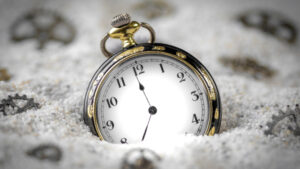
The time change is approaching and we will need to adjust our clocks, as daylight saving time comes into effect. The transition takes place every year in the spring, with the aim of making better use of natural light during the warmer months.
When the time changes
The change takes place on the last Sunday of March, therefore this year on Sunday, March 29. In the early hours of that day, at 03:00, the clocks move one hour forward and show 04:00, meaning we lose one hour of sleep but gain more daylight during the day.
The measure is applied in all countries of the European Union, within the framework of the common European regulation for daylight saving and standard time. Daylight saving time remains in effect until the last Sunday of October, when the clocks are turned back by one hour again.
The practice of changing the time has been applied in Europe for decades with the aim of saving energy and making better use of natural daylight during the day.
How long daylight saving time will last
Daylight saving time will remain in effect until Sunday, October 25, 2026, when the clocks will be turned back one hour again for the return to standard time.
Tips that can help:
-Turn your clock forward before noon on Saturday
-Set your clock to your usual schedule on Sunday after the time change
-If you still feel tired, take a short nap (15–20 minutes is enough) late in the afternoon
-Sleep at least seven hours per day before and after the time change
-Avoid staying up late
Ask me anything
Explore related questions




