





Just days after announcing new support measures to address the impact of the war, the government continues its series of economic announcements, this time focusing on boosting disposable income.
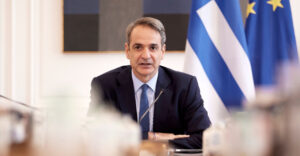
As every year, today’s cabinet meeting (starting at 11 a.m.) under Kyriakos Mitsotakis will announce the new minimum wage, which will take effect from April 1. The increase will primarily impact businesses, something taken into account in the current climate of economic uncertainty, while the goal of reaching €950 gross by 2027 remains in place. The proposal is being presented by Labor Minister Niki Kerameus, in cooperation with Finance Minister Kyriakos Pierrakakis.
Based on this approach and the government’s cautious stance, the increase is estimated to reach around €920 (approximately €772 net), with a more conservative estimate placing it at €910 (around €765 net). In recent days, there has also been discussion of a possible rise to €930, considering that previous increases were about €50 per year.
In any case, since the increase affects both wage and non-wage costs for businesses, the government is aiming to remain measured during this period. Kyriakos Mitsotakis has also dismissed earlier scenarios suggesting more aggressive increases.
It is worth noting, according to government sources, that the minimum wage has gradually risen from €650 in 2019 to €880 today—an increase of 35.4%. This corresponds to €3,220 gross annually, meaning that workers on the minimum wage now effectively earn the equivalent of five additional monthly salaries compared to 2019, even before the new increase. Taking inflation into account, economic officials argue that wage increases have exceeded inflationary pressures. The target of an average salary of €1,500, announced by Mitsotakis during the 2023 elections, has also nearly been achieved.
The new increase will also interact with changes to the tax scale, while workers under 30 will benefit even more due to tax breaks or tax-free thresholds. Additionally, the minimum wage increase affects various social benefits as well as seniority-based pay increments in both the public and private sectors.
The agenda
The cabinet’s agenda is broader and will also include developments related to the war, which Kyriakos Mitsotakis is expected to address in his opening remarks, followed by a briefing from Foreign Minister Giorgos Gerapetritis.
Also considered significant is the presentation by Deputy Finance Minister Nikos Papathanasis on the milestones of the Recovery Fund, which expires on August 31, with Greece aiming to absorb as many funds as possible during the eighth and ninth disbursements.
The agenda also includes:
- A bill from the Migration Ministry on implementing the new Pact on Migration and Asylum
- A Culture Ministry bill on protecting underwater cultural heritage
- An education bill
- The implementation of EU directives by the Development and Digital Governance ministries
Ask me anything
Explore related questions




