





Sweeping changes to the electoral system are being planned by the government, including a radical overhaul of electoral districts, a significant reduction in parliamentary seats, and a partial abolition of the preference vote.
According to reports, the key provisions of the new system will soon be presented in an informal public consultation, so that alongside the official discussion on constitutional revision, there can be substantive dialogue among political parties on broader and necessary reforms across the country’s democratic institutions.
As Prime Minister Kyriakos Mitsotakis clarified during last Thursday’s parliamentary debate on the rule of law, this initiative is not intended to suddenly change the rules of the political game.
Instead, it aims for meaningful dialogue with full transparency, as the core philosophy and main provisions of the draft law will be discussed in the current Parliament, then introduced as legislation after the 2027 elections and implemented—if it secures the required majorities—in the 2031 elections.
“The 2031 elections should find the country with a different, more modern electoral system, voted at the beginning of the term so that everyone knows the rules. It would be ideal if we could agree from now to pass it with a broad majority,” the prime minister noted.
The changes
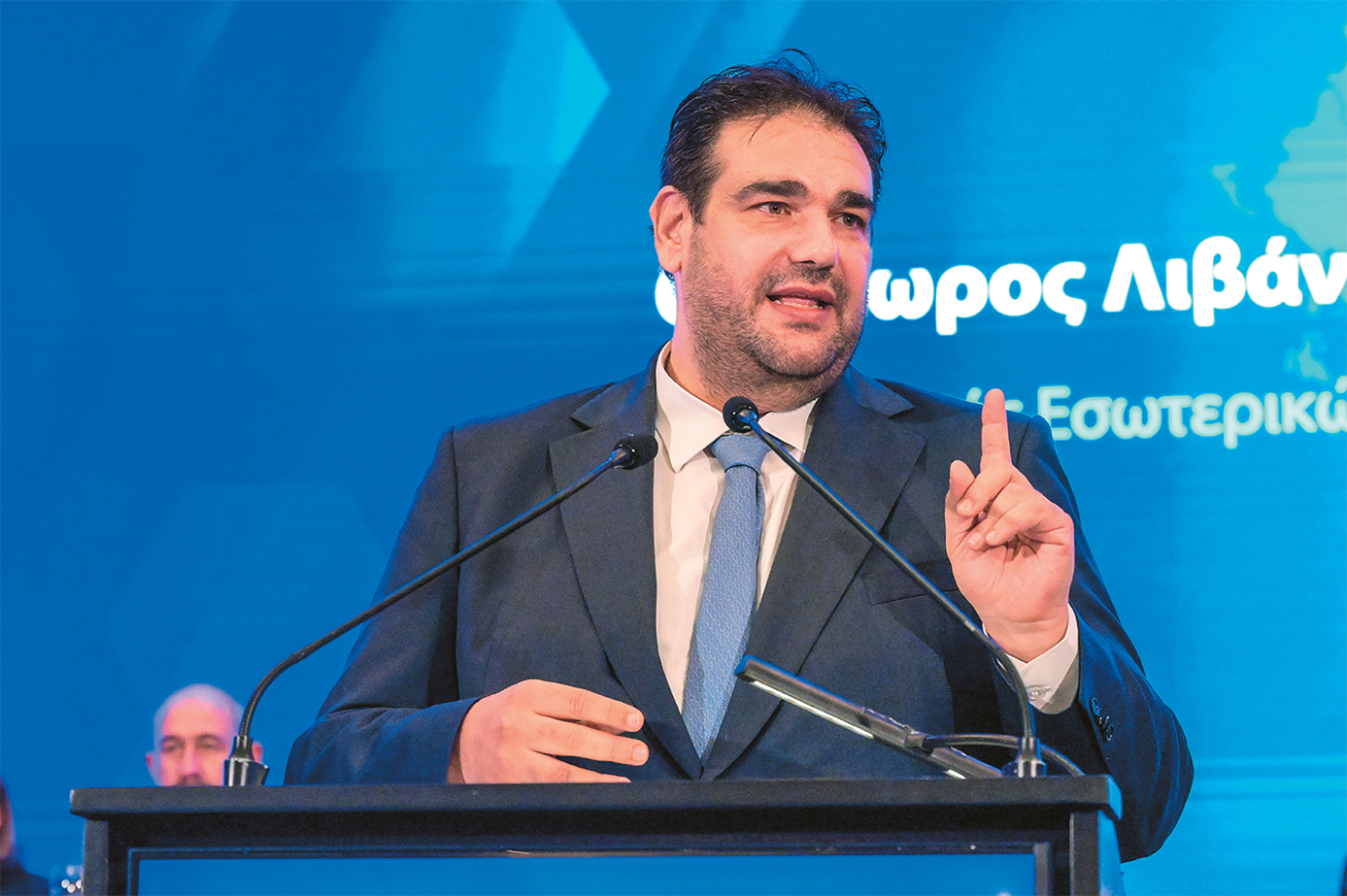
The new electoral system designed by Interior Minister Thodoros Livanios is based on the so-called “German model,” adapted to Greek conditions. A central reform is the division of the country into seven large electoral regions (down from 60 today), aligned with the geographic boundaries of decentralized administrations.
Each region is allocated a number of MPs based on the legal population, as determined by the national census.
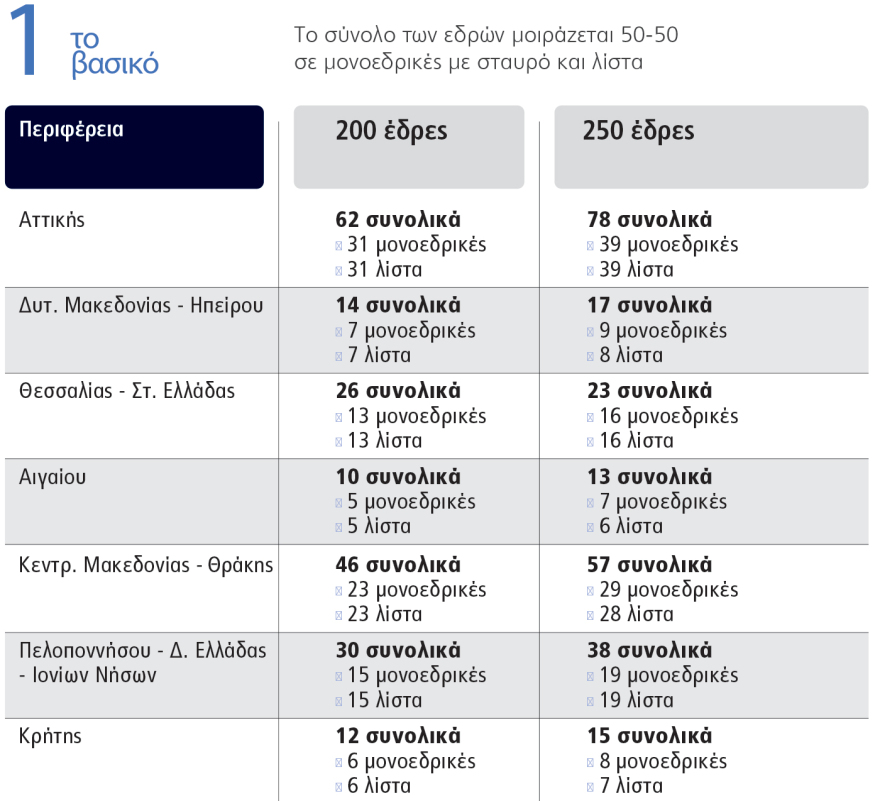
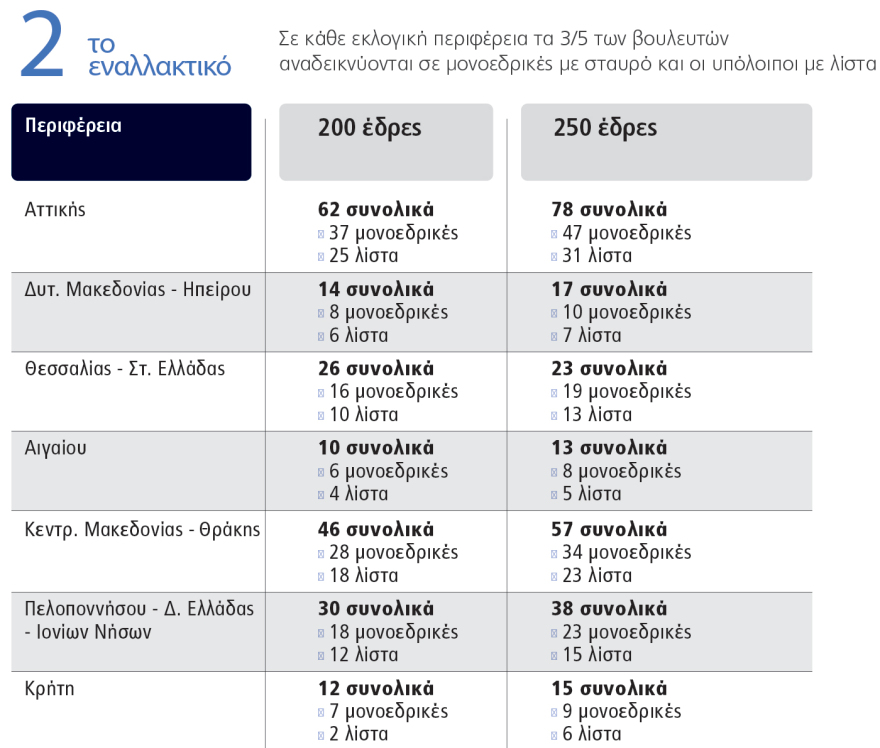
In each of the seven regions, three-fifths of MPs would be elected in single-member constituencies (possibly called electoral units), and the remaining two-fifths from party lists. However, a 50%-50% split is considered more likely to avoid a majoritarian system.
The boundaries of these constituencies would be drawn by an independent committee elected by Parliament’s Conference of Presidents with a three-fifths majority. If no agreement is reached after two sessions (30 days apart), the committee would be formed ex officio (e.g., senior judges, academics, etc.).
Appeals against its decisions could only be made to the Supreme Special Court, which would rule within strict deadlines.
Each constituency must have a population between 80% and 120% of the national average, with possible exceptions for island regions (up to ±40%). They must also be geographically continuous, with some justified exceptions.
Reduction of seats
The total number of MPs could range from 200 to 250. Of these, three-fifths would be elected in constituencies (120–150 MPs) and the rest via party lists (80–100), or alternatively a 50%-50% split.
A number of “state MPs” (e.g. 10–12) may be retained, reducing the list seats accordingly—mainly affecting larger parties and allowing figures such as former prime ministers to avoid contesting single-member districts.
Different scenarios are being considered for seat allocation. For example:
- In a 250-seat Parliament, a bonus of 25 or 35 seats for the leading party is planned, achieving proportionality of 90% or 86%.
- In a 200-seat Parliament, a bonus of 20 or 30 seats is considered, achieving 90% or 85% proportionality.
In each constituency, the candidate of the party with the plurality wins, provided the party exceeds 3% nationwide. Otherwise, the candidate from the second party is elected.
Voting for a constituency candidate would also automatically count as a vote for that party’s regional list—unlike the German system, which allows more voter flexibility.
“Reserve” seats
If a party wins more constituency seats than its national share entitles it to, a “buffer” mechanism applies.
- In a 200-seat Parliament, up to 100 additional seats may be added.
- In a 250-seat Parliament, up to 50 additional seats.
For example, if a party is entitled to 80 seats but wins 85 constituencies, Parliament would expand to 205 members. These extra seats are called “overhang seats” and are allocated to regions with the highest population-to-seat ratios.
Regions under the proposed system
- Attica: includes all current Athens and Piraeus constituencies
- Western Macedonia – Epirus: includes Kozani, Ioannina, etc.
- Aegean: includes Lesvos, Chios, Cyclades, Dodecanese
- Central Macedonia – Thrace: includes Thessaloniki, Serres, etc.
- Peloponnese – Western Greece – Ionian Islands
- Crete
- Thessaly – Central Greece
Two scenarios for electing MPs
Ask me anything
Explore related questions




