





Ankara is trying to entangle Greek-Turkish relations and the Cyprus issue in the murky landscape of the new regional rivalry in the Middle East and Eastern Mediterranean between Turkey and Israel, in the aftermath of the war against Iran, which is reshaping regional balances and power dynamics.
Its aim is to prevent the continuation of Greece–Cyprus–Israel cooperation, which also enjoys US backing, as it believes this trilateral format forms a strong axis in the Eastern Mediterranean that could obstruct its own revisionist and expansionist ambitions.
At the same time, it strengthens Israel on the Eastern Mediterranean front, while Ankara and Tel Aviv test each other’s resilience in Syria, Lebanon, Gaza, and the Horn of Africa.
The war in Iran disrupted Turkey’s plans, as it cannot fully distance itself from Iran, nor openly side with it.
The Turkish leadership handled the Iran war by targeting Israel, promoting a supposed mediating role it could play, while also projecting its leadership profile in the Muslim world and almost unilaterally taking up the “holy war” against Israel.
However, it now sees clearly the choice of President Donald Trump to support and align with Israel. This causes significant concern in Ankara, as despite Trump’s positive remarks about Recep Tayyip Erdoğan, serious pending issues remain in bilateral relations.
“Encirclement”
Even with the gradual withdrawal of US forces from Syria, Ankara observes that the field is not left open. Instead, Israel, with US backing, is imposing its own rules there as well.
Israel has also declared that it will not allow the presence of foreign or non-friendly forces on Syrian territory, complicating Ankara’s plans.
Trump will soon face dilemmas, as once the situation with Iran is clarified, he will have to balance between two of the closest US allies: Turkey, a NATO member, and Israel.
In this context, Turkey is trying to strengthen its diplomatic position and, using Gaza and Lebanon as a binding factor, has coordinated with Pakistan, Saudi Arabia, and Egypt, although this relationship has not yet evolved into a real alliance—something that would significantly alter Eastern Mediterranean balances and directly affect Greek interests.
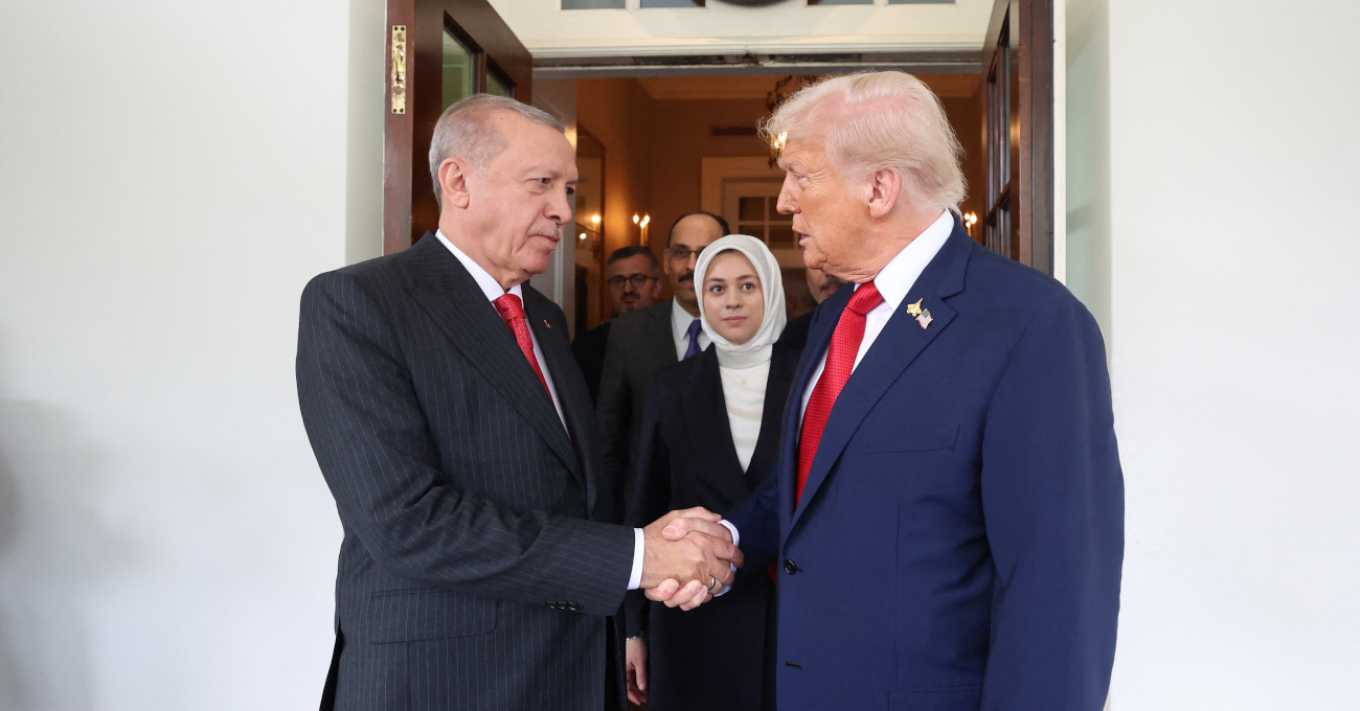
Turkey is no longer hiding its concern over Greece–Cyprus–Israel cooperation, openly claiming that Israel is using the two countries to encircle it.
This adds a new dimension to Greek-Turkish and Turkish-Cypriot relations, as Greece and Cyprus are now included among perceived threats to Turkey’s security.
As a result, the already heavy Greek-Turkish agenda is further burdened with the notion of a supposed threat from Greece and Cyprus stemming from cooperation with Israel.
Forces in Cyprus and Patriot systems
In recent weeks, Turkey has faced developments it interprets as faits accomplis against it. The deployment of Greek and other European forces in Cyprus sent an initial message that the island is an integral part of what Europe considers European territory, for which Article 42.7 of the Lisbon Treaty on mutual defence may apply, even informally.
This provision can be implemented through a “coalition of the willing,” where Turkey does not have veto power, unlike NATO Article 5.
Turkey’s objections to the deployment of Patriot systems in Karpathos and F-16s in Lemnos also fell flat, directly challenging its demands for demilitarisation of the islands.
Ankara understands that this “temporary” redeployment of forces will last for a significant period, as regional threats will not disappear even after a potential peace agreement with Iran.
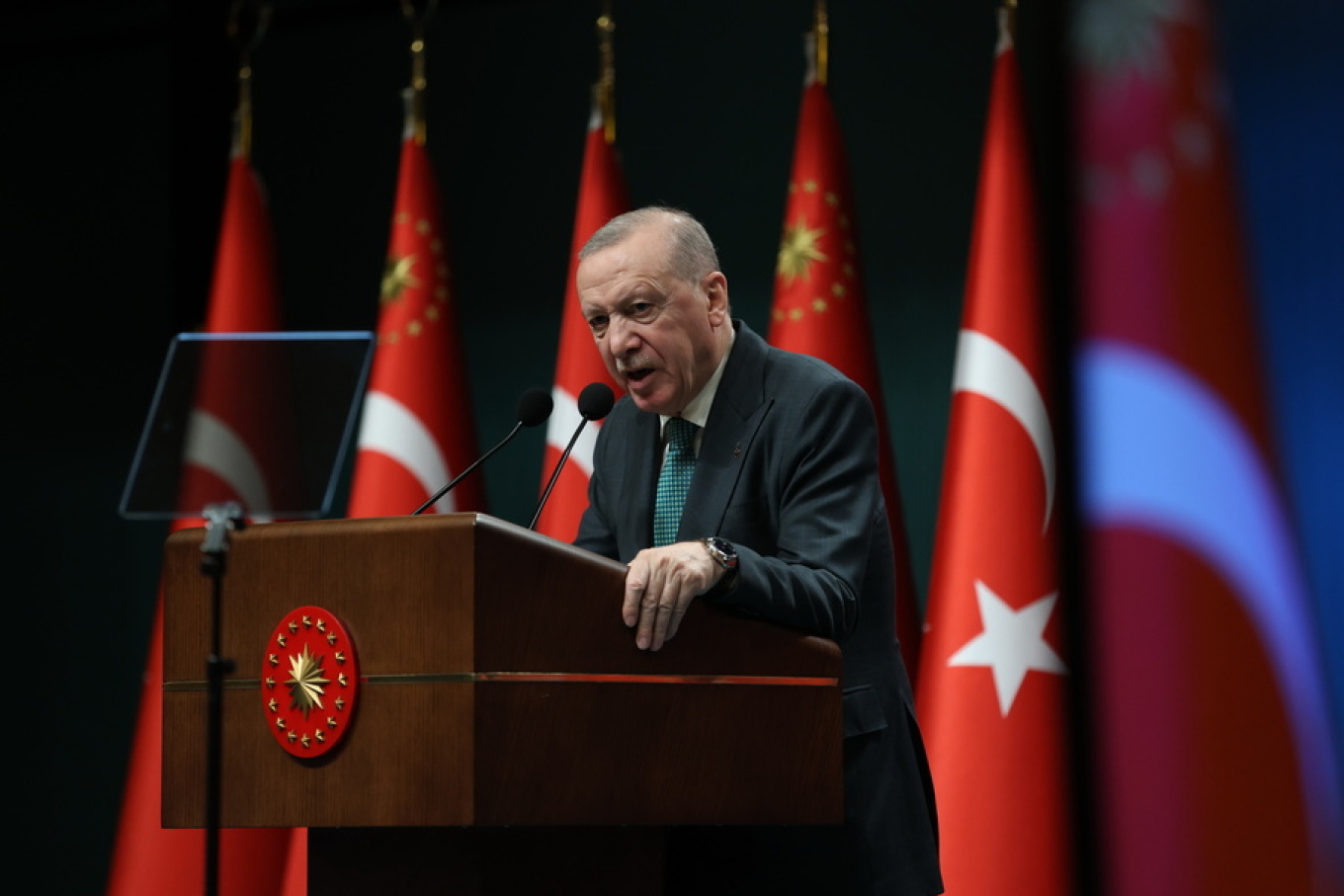
President Erdoğan’s “recommendation” last Thursday that the presence of European forces in Cyprus, deployed due to the Iran war, “should not become permanent” reflects Ankara’s concern over the new realities. Similar statements regarding Karpathos and Lemnos are not expected to surprise, though Greece has rejected them, stressing that its defence posture is a sovereign right.
Concerns over provocations
According to diplomatic sources, rising public debate in Turkey following Greek military movements in Karpathos and Lemnos is being closely monitored by Athens, to prevent any attempt by “private actors” to provoke incidents on the islands, which Turkey claims should be demilitarised—something that has previously triggered serious crises.
What has caused even greater irritation in Ankara is the advancement, even during the Iran war, of Greek-Israeli defence agreements (following Cyprus’ agreement on the Barak MX missile system), including the contract for 36 PULS multiple rocket launcher systems, which are part of the “Achilles Shield,” as well as expected agreements for Barak MX and other Israeli systems.
These systems will significantly strengthen Greece’s deterrence capability in sensitive areas such as the islands. At the same time, technology transfer and joint production with Israel are expected to lay strong foundations for Greece’s defence industry.
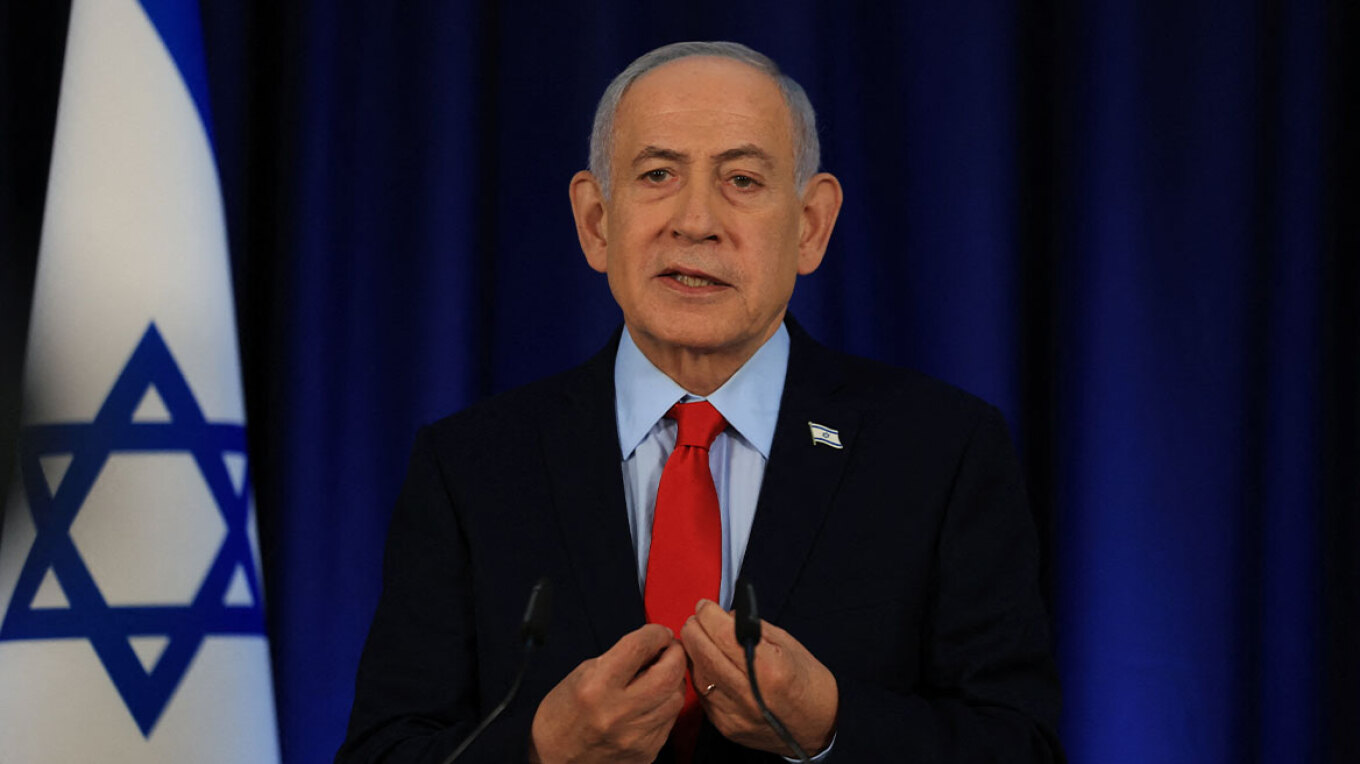
Turkey also believes that US support for Greece and Cyprus is influenced by the Israeli lobby in Washington.
In this context, Ankara is intensifying its rhetoric against Israel, and by extension against Greece and Cyprus, aiming to shape a negative perception of both countries among US political circles critical of Israel.
Gulf countries
Turkey’s approach also seeks to undermine Greece’s strong ties with Gulf states.
However, the UAE, Bahrain, and Kuwait are unwilling to follow Ankara’s geopolitical ambitions, while Saudi Arabia remains cautious, as its main concern is now Iran rather than Israel.
Saudi Arabia’s experience in practice has shown that protection of its oil facilities in Yanbu was ensured not by Turkish, Pakistani, or Egyptian missiles, but by Greek Patriot systems.
Greece, meanwhile, has publicly distanced itself from certain Israeli policies in Gaza, the West Bank, and Lebanon, clearly separating its strategic relationship with Israel from specific government actions.
Unprepared for missile threats
For Turkey, another major challenge is the attempt by President Trump to weaken NATO. The Iran war exposed weaknesses in Turkey’s defence posture, as it was unprepared for missile attacks and relied on NATO for air defence.
Europe is seeking to fill potential gaps, but Turkey’s participation in such frameworks is neither easy nor widely desired among European states.
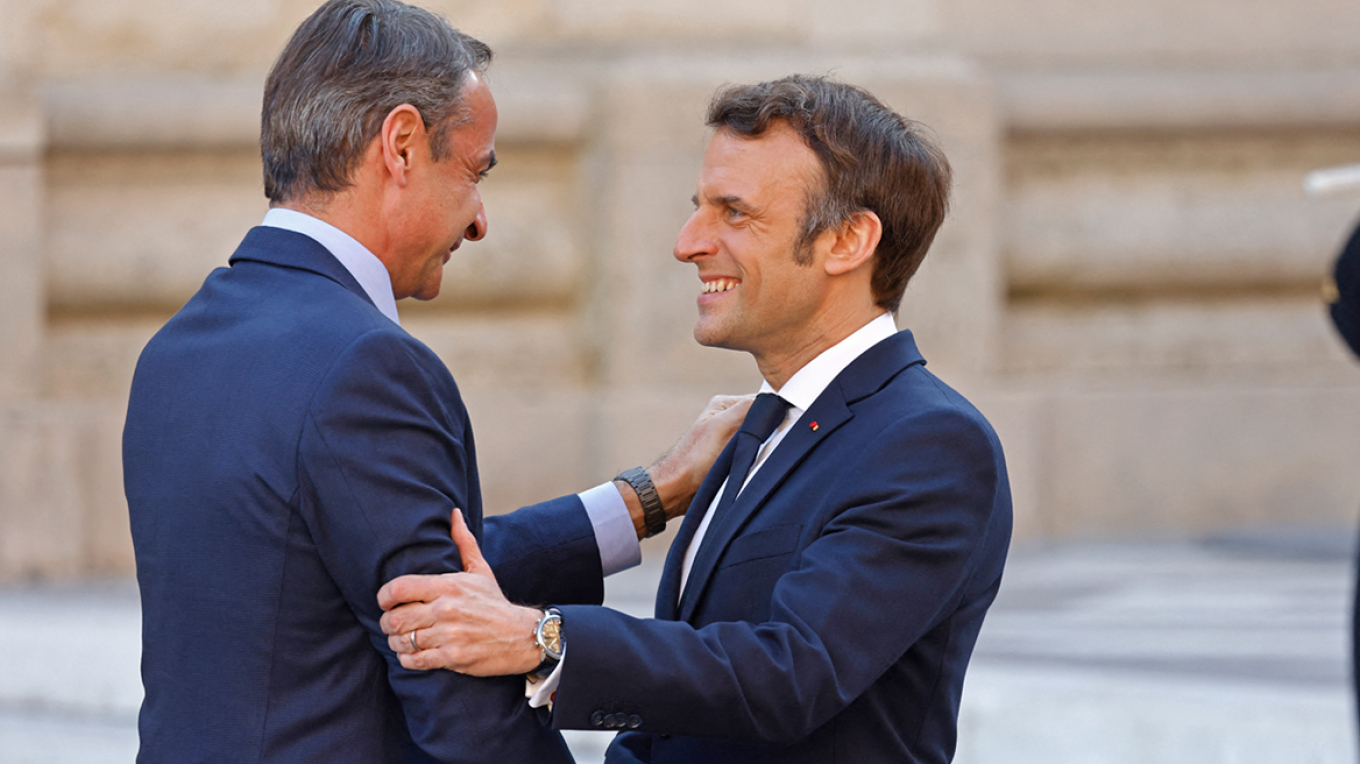
At the same time, Ankara is closely watching Greece’s involvement in these processes, as well as its strong defence ties with France.
Pressure in Thrace
Turkey continues to raise the issue of the “Turkish minority” in Western Thrace, aiming to exert pressure on Greece.
The Turkish Foreign Ministry recently issued a sharp statement regarding the election process of new muftis in Xanthi and Komotini, calling for recognition of self-appointed religious leaders and claiming that Greece’s policies will affect bilateral relations.
The Turkish state broadcaster TRT World also aired a feature accusing Greece of violating the Treaty of Lausanne and suppressing the Turkish minority in Western Thrace, a narrative widely amplified by Turkish media.
Ask me anything
Explore related questions




