





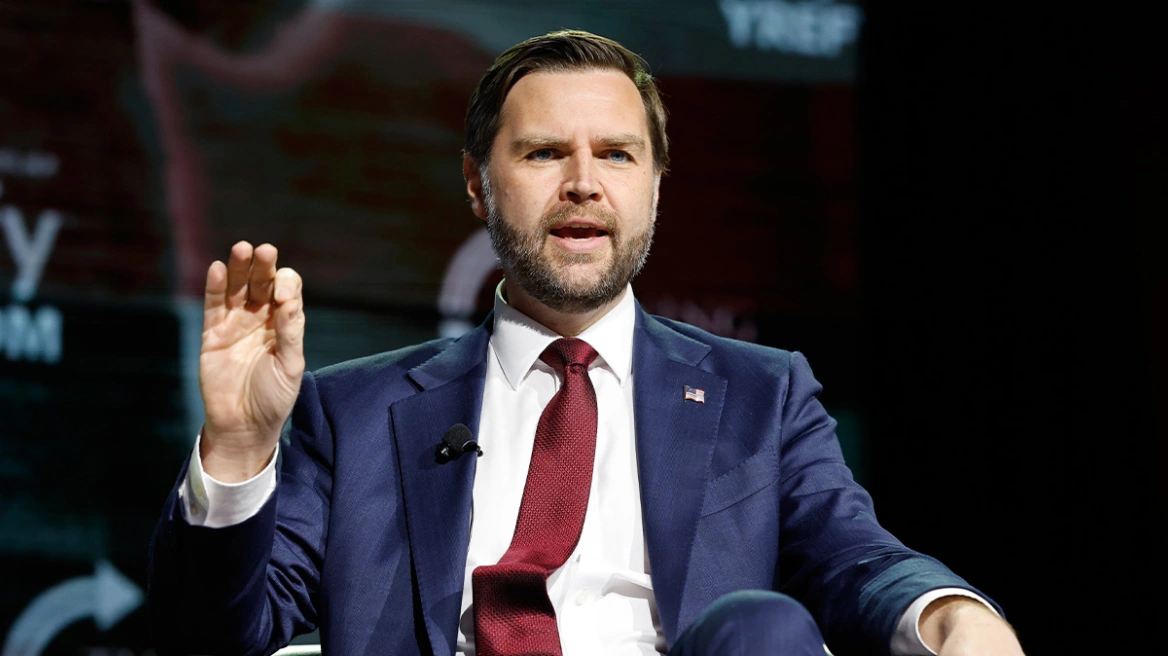
The planned trip of U.S. Vice President J.D. Vance to Islamabad has been postponed following the lack of response from the Iranian side to U.S. negotiating positions, according to a U.S. official with direct knowledge of the developments.
Vance had been scheduled to depart Tuesday morning for the Pakistani capital, where talks were expected to continue on Wednesday—the same day the fragile ceasefire between the United States and Iran expires. However, according to the same source, the negotiation process is effectively “on hold,” as there has been no official response from Tehran.
Although the visit has not been canceled, it remains pending and could take place immediately if Iranian negotiators provide a response deemed acceptable by Donald Trump.
U.S. officials are also seeking clear indications that the Iranian negotiating team has full authority to reach an agreement, in order for the diplomatic process to move forward.
At the same time, Pakistan’s Foreign Minister Ishaq Dar called on both sides to extend the ceasefire and return to negotiations, urging the U.S. diplomatic mission in Islamabad to “give dialogue and diplomacy a chance.”
Iran: “No final decision has been made”
“No final decision has been made” regarding whether Iran will participate in peace talks with the United States in Pakistan, according to Iranian Foreign Minister Esmail Baghaei, speaking on the state television channel IRIB.
“The reason is clear: it is not a matter of indecision. On the contrary, it stems from the fact that we are facing contradictory messages, inconsistent behavior, and unacceptable actions from the American side,” Baghaei said.
This includes U.S. attacks on Iranian vessels and the blockade of the Strait of Hormuz, he added.
“The diplomatic process must be result-oriented, and whenever the Islamic Republic of Iran reaches such a conclusion, it will take the necessary decision,” Baghaei stated.
Ask me anything
Explore related questions




