





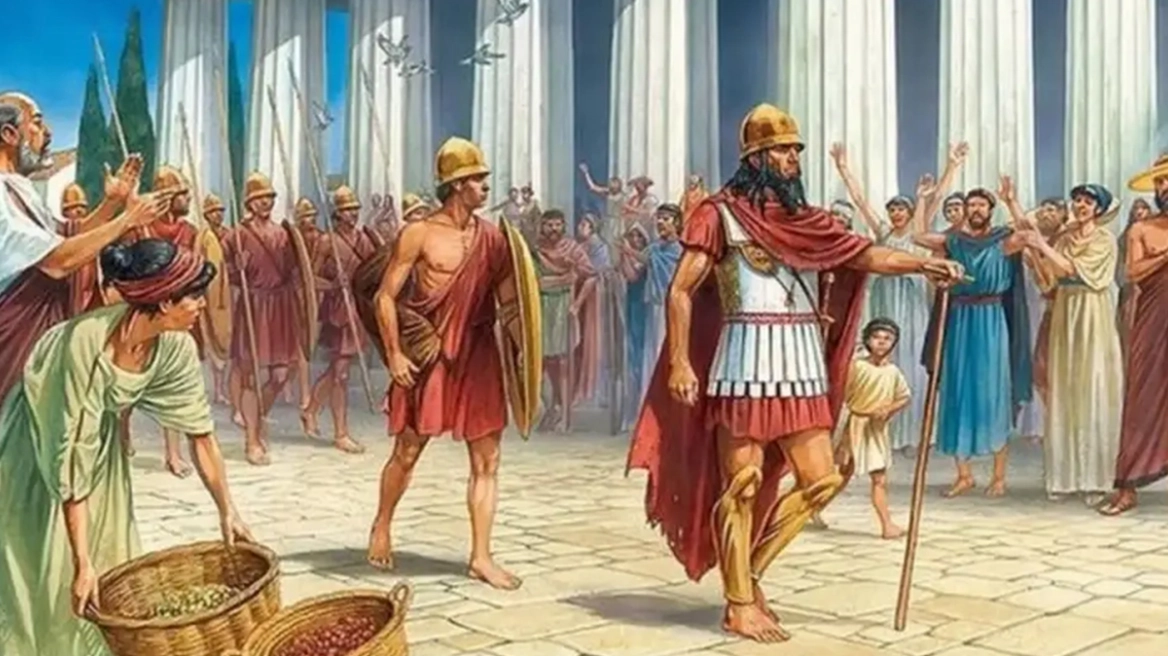
Athens and Sparta were, for most of antiquity, the two dominant cities of Greece. This was followed by a brief period of Theban supremacy under Pelopidas and Epaminondas, and then the rise of the Kingdom of Macedon, culminating in the era of Alexander the Great.
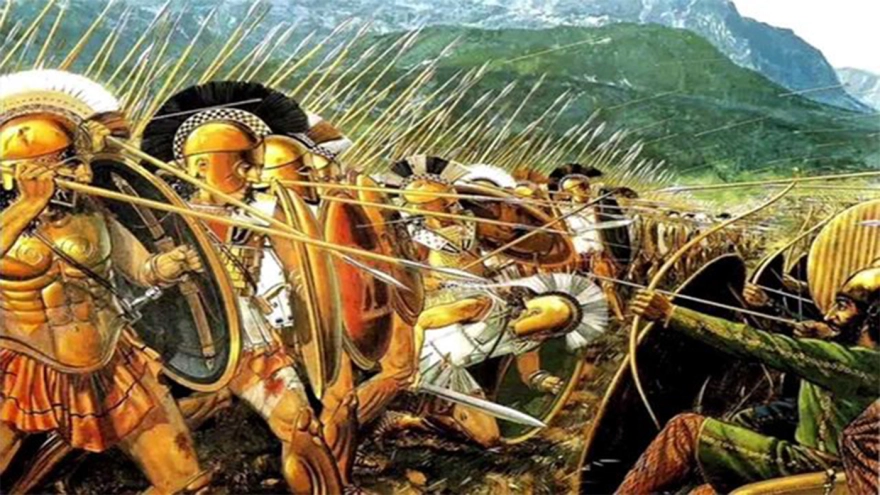
In the 3rd century BC, Sparta experienced a brief resurgence, but ultimately, in 146 BC, all of Greece fell under Roman control. Sparta—now legendary even beyond Greece—was not a city lost in the depths of time.
Various settlements existed in and around the region of ancient Sparta, but the first true core of the city as we know it was formed after the Dorian migration, around 950 BC. Through successive expansions over roughly 400 years, it became a great city-state.
From the Neolithic Era to the Dorian Migration
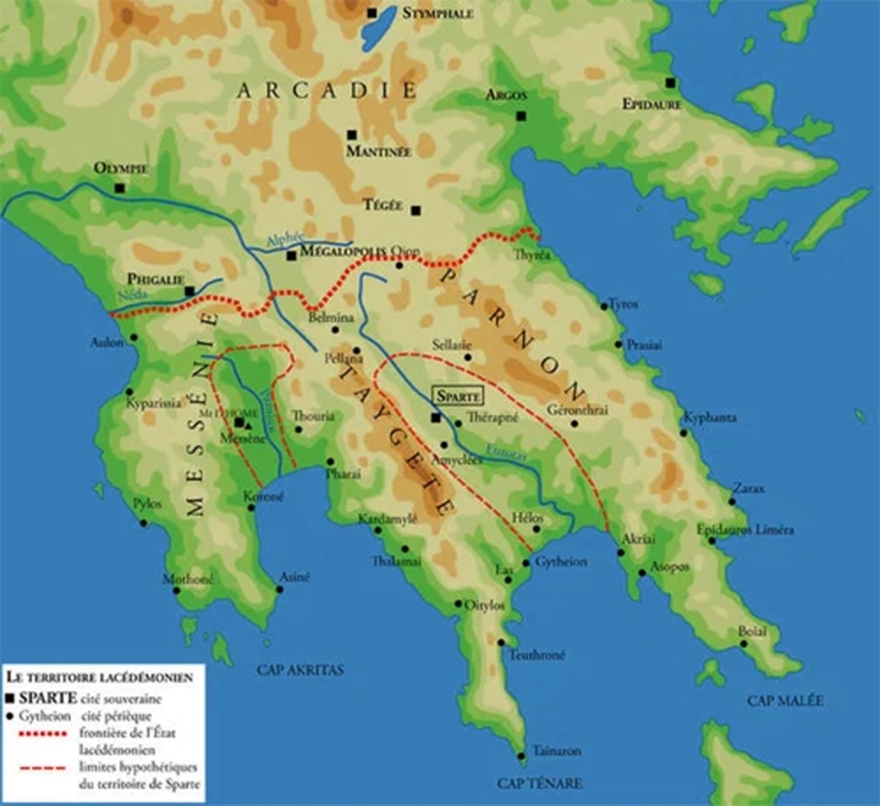
According to archaeological evidence, human settlements existed between Mount Parnon and Mount Taygetus, in the area of Koufovouno near Sparta, since the Neolithic period (6000–3000 BC). These were followed by Bronze Age settlements.
To the pre-Greek Pelasgian populations were added Greek groups of the Middle Helladic culture (1900–1600 BC), who settled in the area of Amyclae, in the Eurotas valley, and developed connections with Argolis and Crete.

Even more evidence comes from the later Mycenaean period. Numerous settlements and cemeteries across Laconia testify to population density, wealth, and power. The most prominent center of this era was Sparta, the Kingdom of Menelaus.
The exact location of Mycenaean Sparta remains unknown. It may have been near the Menelaion (Therapne), on the eastern bank of the Eurotas, but not at the site of the historical Sparta, whose story begins with the Dorian migration.
The Core of Sparta and Its Early Expansion
The term “Dorian migration” is now considered scientifically outdated and is used mainly for chronological reference. According to tradition, it occurred around 1100 BC, when Greek tribes moved south from the Pindus region.
One version states that the Dorians who settled in Laconia, in the upper Eurotas valley, shortly before 1000 BC, were led by the legendary Heraclid Aristodemus and came from Aetolia-Acarnania. Another version places their origin in Doris.
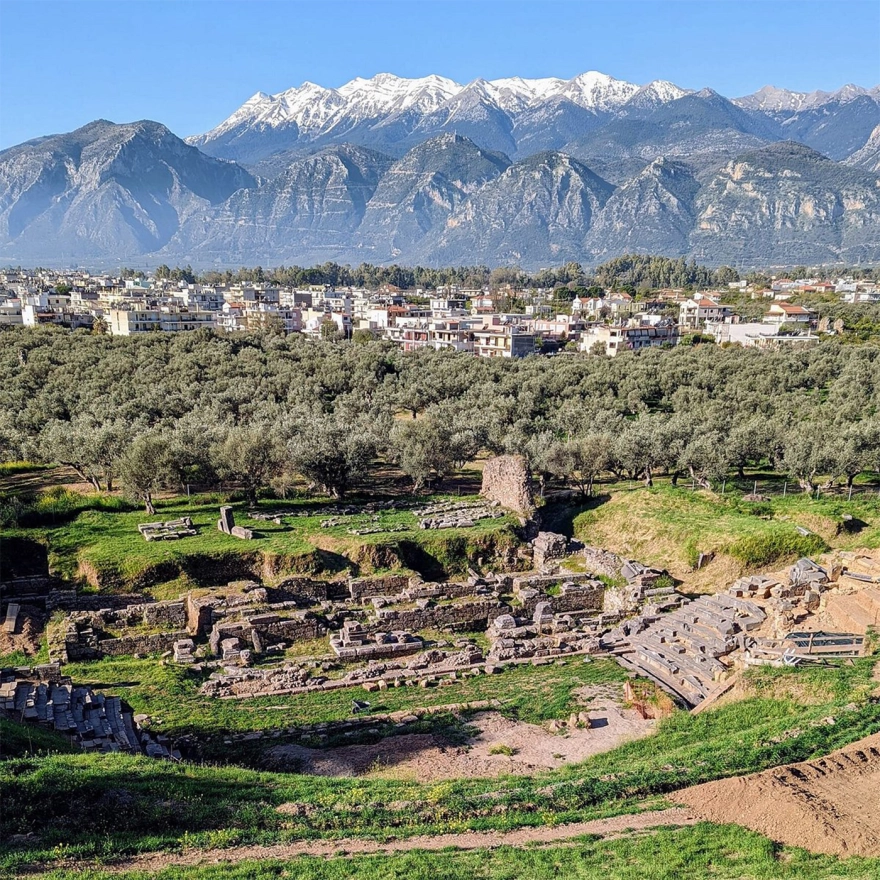
A small group of these Dorians settled around the hill that would later become Sparta’s acropolis, forming four original villages: Pitane, Limnae, Mesoa, and Cynosura. This group numbered around 2,000 warriors.
A Society Forged for War
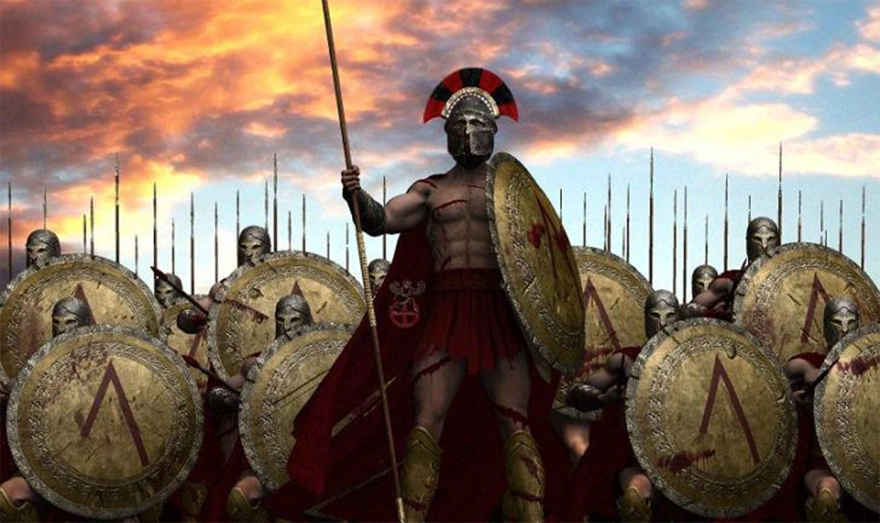
Isolated among strong pre-Dorian populations and facing the threat of destruction or assimilation, they unified and oriented themselves toward a fully militarized way of life, in constant readiness for war.
The Spartans preserved their tribal unity under camp-like living conditions and kept their distance from the local population, whom they forced to cultivate the land and supply them with food. Thus, the dangers and necessities of early settlement created the helots—the first defining element of Spartan society.
The Expansion of Sparta
From the 10th century BC, the Spartans expanded northward, conquering Pellana and Sellasia. In the following century, they pushed further north, taking the region of Aegytis.
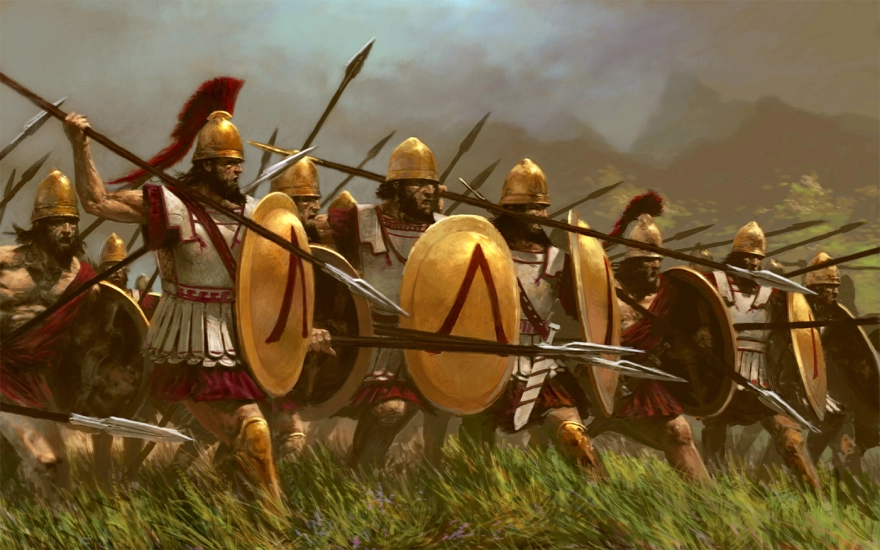
They also turned toward the Eurotas valley, where they met strong resistance. While Pharis and Geronthrae fell easily, Amyclae did not. Though it likely surrendered, it received highly favorable terms—its inhabitants retained full political rights and were never reduced to subjugation.
The inhabitants of Geronthrae and Pharis became perioikoi (free but non-citizen inhabitants). The Spartans then moved into Dentheliatis and began clashes with the Messenians, though they were not yet strong enough to defeat them.
To solve the growing problem of population pressure, Sparta expanded into the lower Eurotas valley and the region of modern Mani. Only the city of Helos resisted fiercely—once conquered, its people were enslaved as helots.
The First Messenian War and the Spartan System
In the mid-8th century BC, the Spartans attacked Messenia to seize its fertile plains. The First Messenian War lasted about 20 years, likely from 735 to 715 BC, ending in Spartan victory.
Many settled in the region, while the native Messenians were reduced to helots. Frequent revolts, however, plagued Sparta.
At the same time, Spartan institutions were formed, based on the “Great Rhetra,” the earliest constitutional text in Greek history. According to Plutarch, it was an oracle from Delphi given to the lawgiver Lycurgus.
It established:
- Dual kingship
- The Gerousia (council of 30 elders)
- The Assembly of the people (Apella), with real authority
The five Ephors, elected officials, were not mentioned but existed by at least 754 BC.
The Second Messenian War
An internal crisis struck Sparta around 676–673 BC and was eased with the help of Terpander. Soon after, Sparta invaded Argolis but suffered a major defeat at Hysiae in 669 BC—likely its greatest ever.
This defeat sparked a Messenian revolt led by Aristomenes, supported by Arcadians, Argives, Eleans, and Sicyonians.
The Spartans faced immense difficulty. Crucial support came from the poet Tyrtaeus, whose war songs inspired the warriors.
Eventually, Sparta prevailed, capturing the stronghold of Eira. Aristomenes fled to Rhodes, where he died. Sparta redistributed land into 4,500 lots and later took Pylos and Methone.
Spartan citizens now numbered about 9,000. They became equal landholders—“homoioi” (equals). The greatest political change was the reduction of aristocratic privilege, creating a more equal warrior society.
Epilogue
By the end of the 6th century BC, Sparta had brought nearly all of the Peloponnese, along with Megara and Aegina, under its leadership. On the eve of the Persian Wars, the Spartans and their allies stood as the most powerful and formidable force in the Greek world.
In later Byzantine times, Sparta was overshadowed by Mystras, while the modern city of Sparta began to be built only in 1834.
Ask me anything
Explore related questions




