





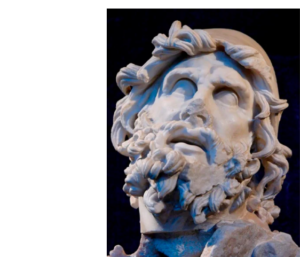
A historical discovery, among the most significant of recent years according to the Ministry of Culture, is the identification on the island of Ithaca of a sanctuary-palace that appears to be directly associated with Odysseus, a finding that demonstrates the inseparable link between myth and historical reality.
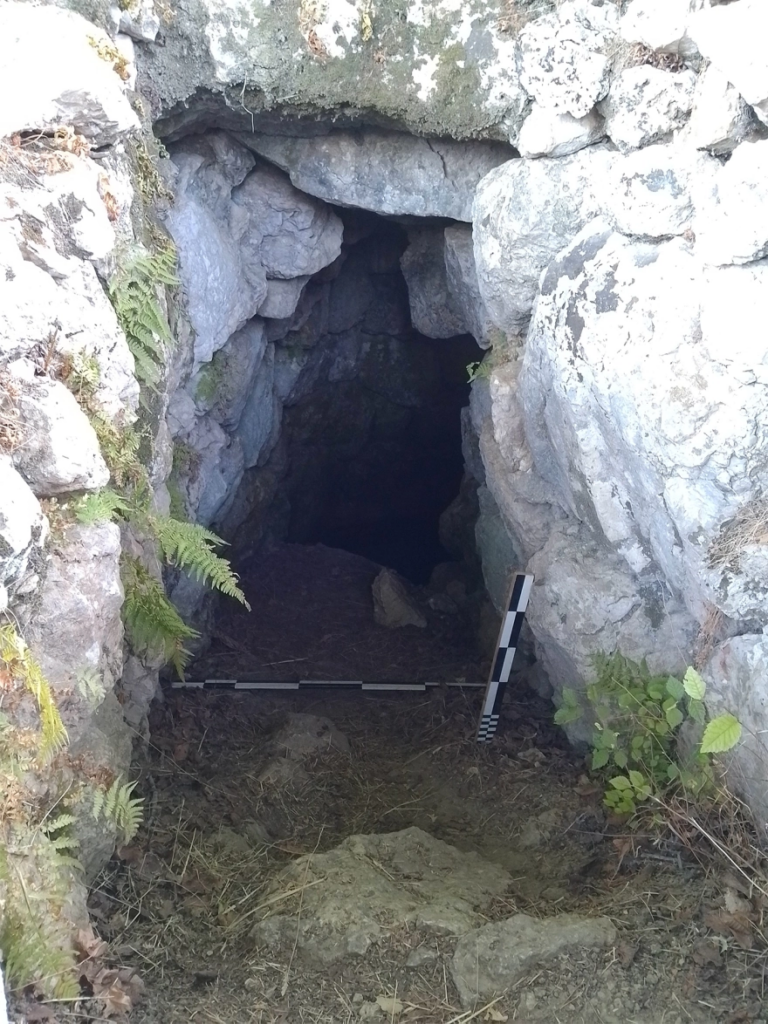
The documented findings were discovered at the so-called “School of Homer,” a site in the northern part of the island, and come from excavations initiated by the late associate professor Litsa Kontorli-Papadopoulou and professor emeritus Athanasios Papadopoulos, now led by professor emeritus Giannos G. Lolos, with contributions from archaeologist Christina Marambéa.
The new evidence
The discoveries support long-standing theories that the prominent king and resourceful hero of Homer was directly connected to Ithaca. Evidence suggests that Odysseus was already known long before Homer and had acquired divine attributes in the eyes of the people.
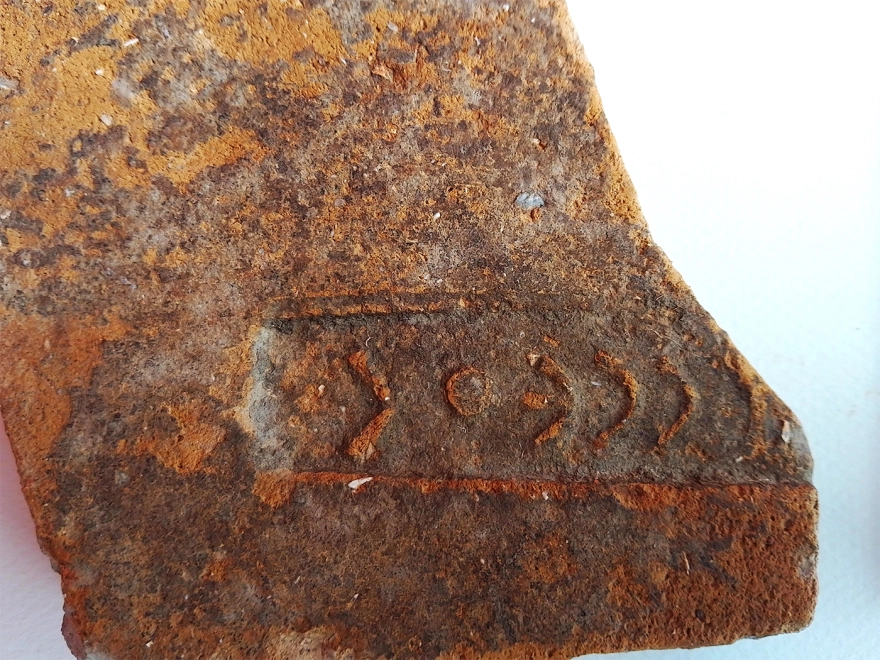
Among the finds indicating that the island hosted a centuries-long cult tradition associated with the Homeric hero, inscriptions reading “ODYSSEUS” and “ODYSSEI” are particularly important, including a dedicatory inscription bearing the name “[OD]YSSEUS.”
Now that the data has been examined and documented, conclusions can be drawn which, according to the Ministry of Culture, point to the development of an important complex at the site with a major role in the religious, social, and possibly political life of Ithaca’s inhabitants during the Hellenistic and early Roman periods, as well as a broader pilgrimage character.
Was he worshipped as a hero?
These findings add weight to an archaeological project that has been ongoing for many years on the island and continues to reveal treasures.
It is no coincidence that a bronze bust of the Dutch Hellenist and archaeologist Jean-Christophe Volgraf from the Ormos cave bore the inscription “Prayer to Odysseus,” while a similar inscription was found on another late Hellenistic artifact from Magnesia in Asia Minor—evidence that Odysseus was not merely a literary invention of Homeric epics, but a widely known mythical hero who was worshipped through time in Ithaca.
Odysseus is even described as the only man who dared to set foot in Hades.
Reflecting on the hero’s attributes in the Iliad and the Odyssey, it becomes clear that Odysseus always transcended human limits: protected by the gods, he overcame forces of nature, mythical creatures such as Cyclopes and sorceresses, and even resisted the Sirens.
He is also the only man who conversed with the dead and descended into Hades himself. His journeys across the Mediterranean explain why sailors invoked him as a protector and why he became integrated into local cult traditions.
In Sicily and mainland Italy, where Greek colonies were established, Odysseus acquired supernatural traits, becoming a cultural hero—an intermediary between gods and humans—leaving behind traces, names, and stories.
Ancient writers such as Pausanias and Strabo also reference places and traditions linked to Odysseus, revealing a mosaic of local cults. He was neither a god in the strict sense nor a simple historical figure, but a mythic personality who received corresponding honors.
A Promethean figure
It is precisely this hybrid nature that explains Odysseus’ enduring popularity: a powerful yet non-dogmatic figure, closer to humans than other mythic heroes.
He became a popular Promethean figure of the Homeric world, a Mycenaean hero associated not only with Arcadia and Hades, but also with human creativity.
This interpretation influenced scholars such as Heinrich Schliemann, who explored Ithaca and Troy in search of Homeric truth, linking myth and history.
From Schliemann to today
Following Schliemann, later archaeologists continued excavations on Ithaca, uncovering structures, artifacts, and ritual spaces, including water systems, palatial remains, and inscriptions consistent with Homeric descriptions.
Findings such as terracotta vessels, ritual basins, and inscribed tiles strengthen the idea of a site used continuously from the Bronze Age through the Hellenistic period as a cult center associated with Odysseus.
Recent discoveries, including stamped tiles bearing his name, along with votive inscriptions, strongly support the existence of a sanctuary with religious and possibly pilgrimage significance dedicated to the Homeric hero.
The same language
Finally, language itself serves as a witness to continuity through time. Modern interpretations of Homeric tradition continue to explore how Odysseus was perceived across centuries.
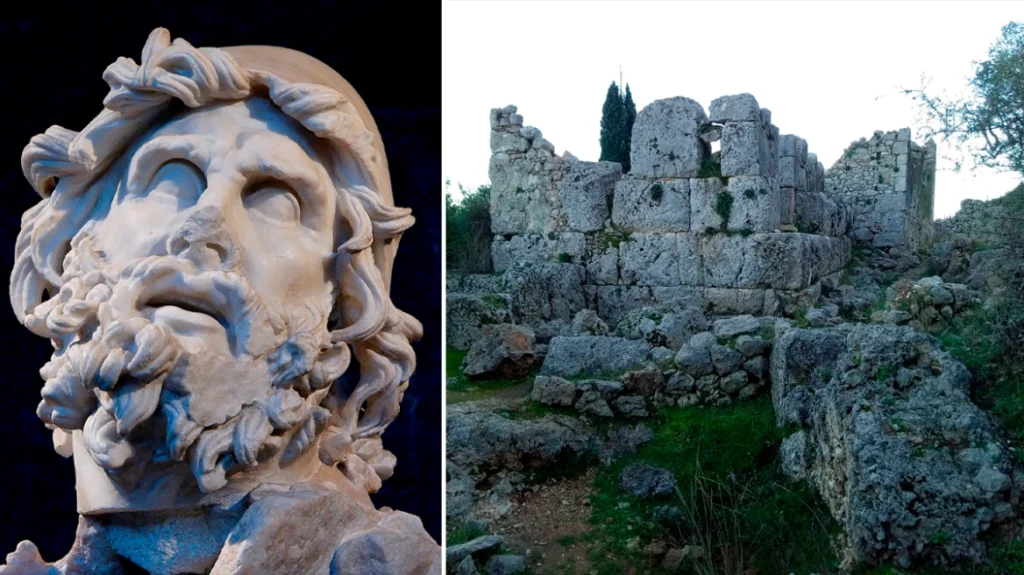
New evidence reinforces the view that northern Ithaca is not merely an archaeological site linked to myth, but a place where the figure of Odysseus was continuously venerated, blending history, myth, and identity.
All findings suggest the enduring dominance of Odysseus’ figure on the island considered his homeland, confirming that what matters here is not the journey, as the poet wrote, but the destination.
Ask me anything
Explore related questions




