





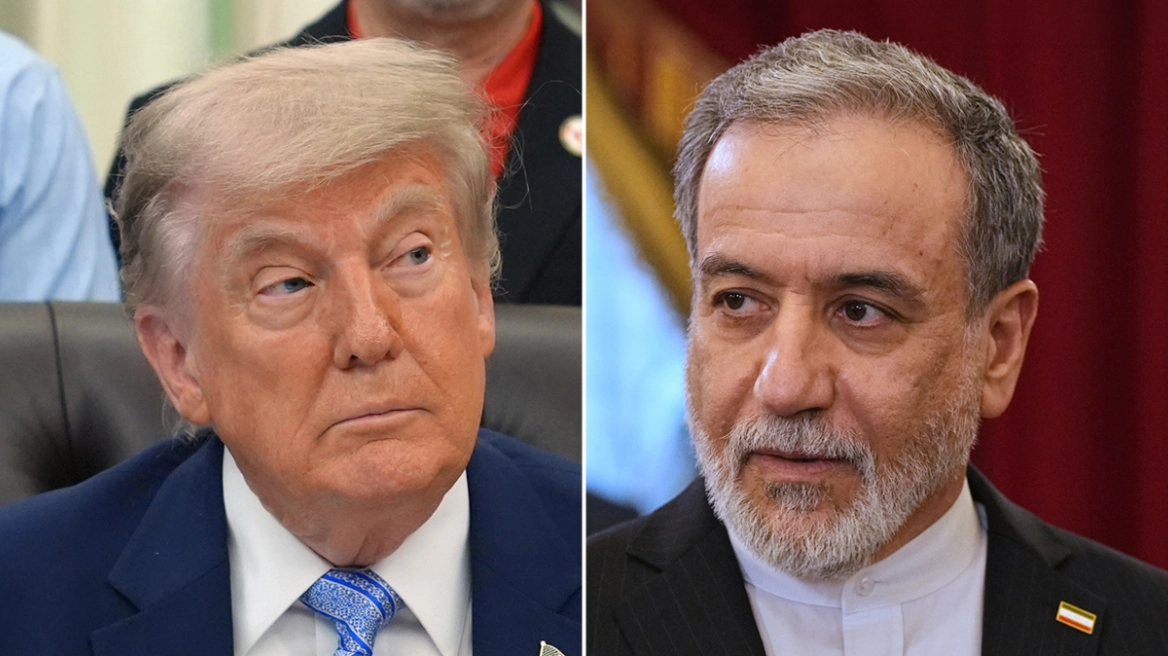
The draft agreement between Iran and the United States, which is expected to take effect if approved by both sides, has been revealed by Arab sources familiar with the ongoing negotiations, as Pakistan’s mediation efforts intensify.
According to sources cited by Al Arabiya, the plan provides for a full, immediate, and unconditional ceasefire on all fronts, and a commitment not to target military, civilian, or economic infrastructure.
The draft includes nine main provisions, including:
- Immediate, full, and unconditional ceasefire on all fronts.
- Both sides to refrain from targeting military, political, or economic infrastructure.
- Termination of military operations and cessation of the “media war.”
- Freedom of navigation and territorial sovereignty.
The plan emphasizes respect for state sovereignty and territorial integrity, as well as non-interference in internal affairs.
It provides for:
- Guarantee of freedom of navigation in the Arabian Gulf, the Strait of Hormuz, and the Gulf of Oman.
- Creation of a joint monitoring and conflict-resolution mechanism.
- Start of negotiations on outstanding issues within seven days.
- Lifting of sanctions and international commitment.
The draft agreement foresees a gradual lifting of US sanctions in exchange for Iran’s compliance with the terms. It also sets out both sides’ commitment to international law and the UN Charter.
The preliminary agreement is expected to come into immediate effect after its official announcement by Iran and the US. It is noted that, according to available information, there is no reference to the sensitive issue of Iran’s enriched uranium.
Pakistani Interior Minister meets Araqchi in Tehran
Two days after delivering the latest US proposal for a peace agreement to Pakistan, Pakistan’s Interior Minister Mohsin Naqvi held a new meeting with Iranian Foreign Minister Abbas Araqchi in Tehran, according to the semi-official agencies Tasnim and ISNA. Naqvi is mediating to establish a framework for ending the war and resolving disputes, ISNA reported.
US Secretary of State Marco Rubio said yesterday there were “some good signs” in the talks, but there will be no solution if Iran insists on a charging system in the Strait of Hormuz, which has effectively been closed to most traffic since the war began on February 28.
A senior Iranian official told Reuters that the gaps in negotiations have narrowed, although enriched uranium and control of the strait remain contentious issues.
Ask me anything
Explore related questions




