





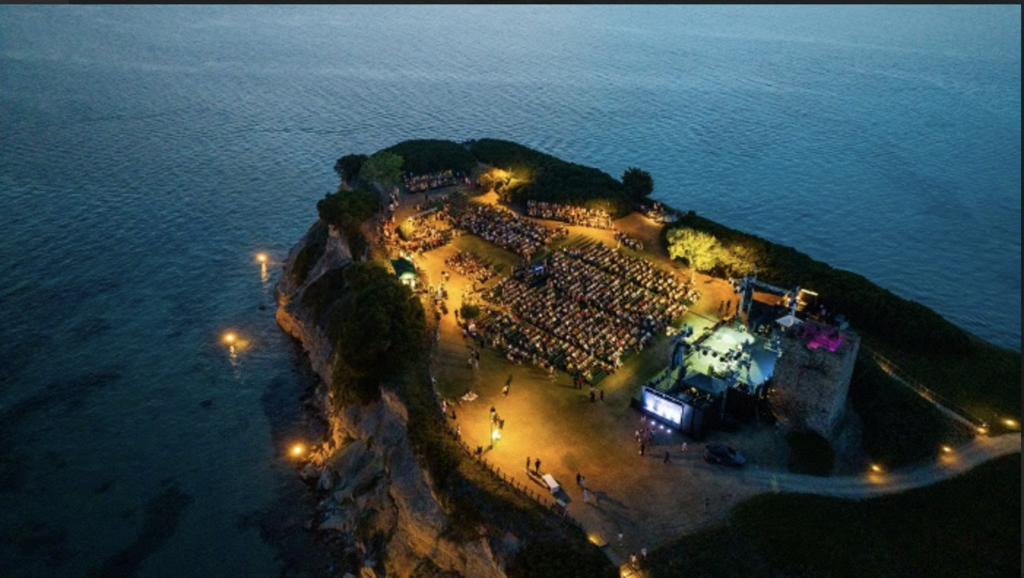
From Robert Plant and The Waterboys to Vicky Leandros and Dimitra Galani, this year’s Sani Festival confirms that Halkidiki is home to one of Europe’s most distinctive musical summers.
For more than three decades, Sani Hill, overlooking the Aegean and the colours of the summer sunset as they spread across Halkidiki, has served as one of the Mediterranean’s most distinctive musical landmarks. It is a place where the concert experience is not confined to the stage, but extends into the landscape, into the meeting of different cultures, and into the sense that music can still act as common ground for people of different ages and backgrounds.
A Programme Across Eras, Genres and Generations
From 11 July to 15 August, Sani Festival 2026 returns with a programme that seems to bring together different eras of music history. Rock legends, contemporary pop superstars, emblematic figures of soul and beloved voices of Greek song form a rich and diverse mosaic that reflects the character of the festival itself: open, outward-looking, international, yet deeply connected to the place that hosts it.
Robert Plant: The Restless Voice of Rock History
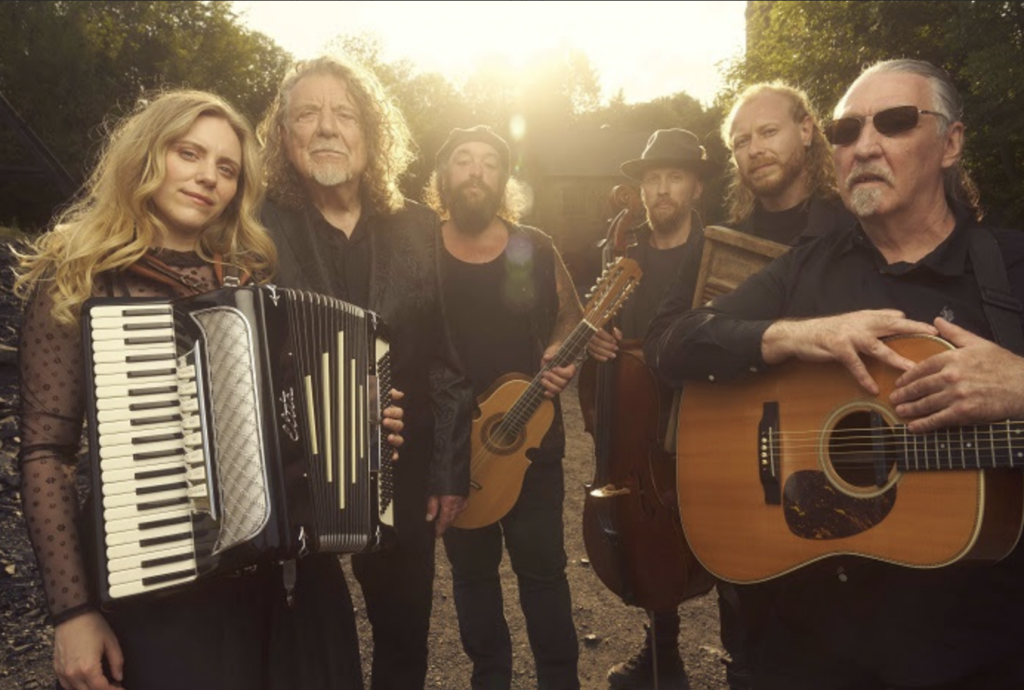
The curtain rises with an artist who needs little introduction. Robert Plant, the voice so closely associated with the history of rock music, returns to Greece not as a nostalgic figure of a glorious past, but as a creator who continues to seek new paths. Together with Saving Grace and Suzi Dian, he presents a programme that moves away from easy retrospection and turns instead towards folk, blues, gospel and traditional musical forms. It is precisely this creative restlessness that makes Plant such a singular figure: an artist who never rested on the myth of Led Zeppelin, but continued to explore the possibilities of voice and storytelling.
Robert Plant with Saving Grace and Suzi Dian
James Arthur: The Voice of a New Pop Generation
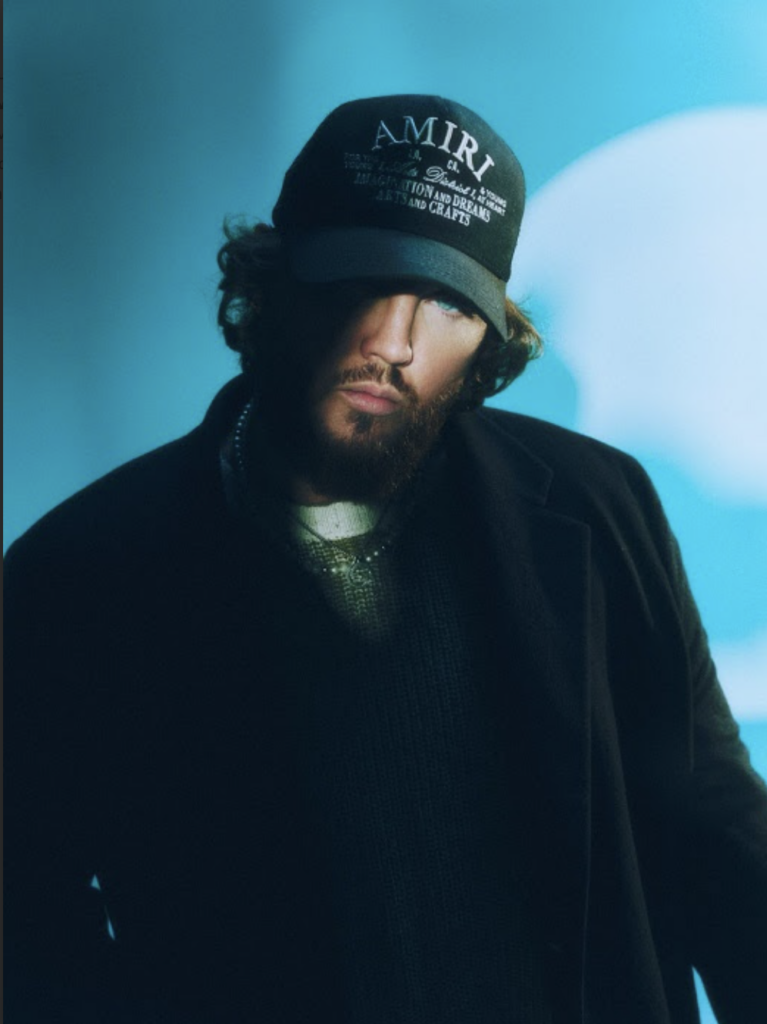
One week later, James Arthur represents an entirely different generation of musicians. From the British X Factor to billions of streams on digital platforms, his journey captures the transition of the music industry into a new era. Behind the numbers, however, Arthur remains a songwriter who has invested in the power of personal confession. Songs such as “Say You Won’t Let Go” became contemporary love stories for an entire generation, establishing him as one of the most recognisable representatives of British pop.
James Arthur
Dimitra Galani & Eleni Tsaligopoulou: Greek Song as a Living Tradition
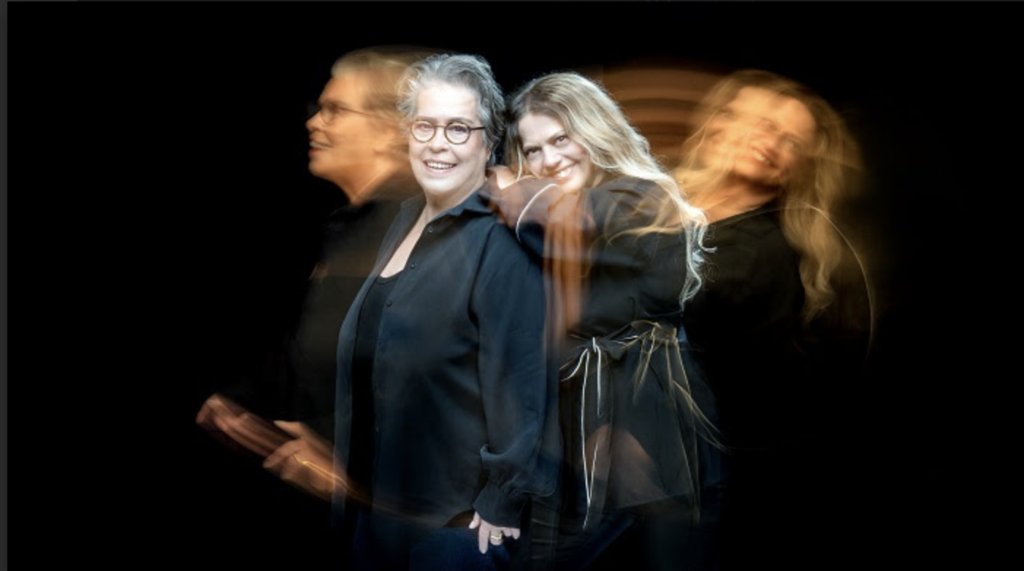
In the Greek chapter of the festival, the meeting of Dimitra Galani and Eleni Tsaligopoulou carries particular symbolic weight. These are two artists who, each in her own way, helped renew the relationship between Greek song and its roots. Together with Estoudiantina Neas Ionias Volou and under the direction of Andreas Katsigiannis, they embark on a musical journey through laiko, Asia Minor and art-song repertoires, reminding us that Greek musical tradition remains a living organism that continues to converse with the present.
The Waterboys: Storytelling, Folk Spirit and Rock Energy
August begins with The Waterboys, a band that for more than forty years has followed its own independent path. Mike Scott and his fellow musicians created a sound that never truly obeyed the trends of its time. Between Celtic references, folk lyricism and the force of rock, The Waterboys built a musical universe that continues to move audiences because it is rooted in storytelling rather than spectacle. “The Whole of the Moon” and “Fisherman’s Blues” still resonate today with almost the same intensity they carried when they were first released.
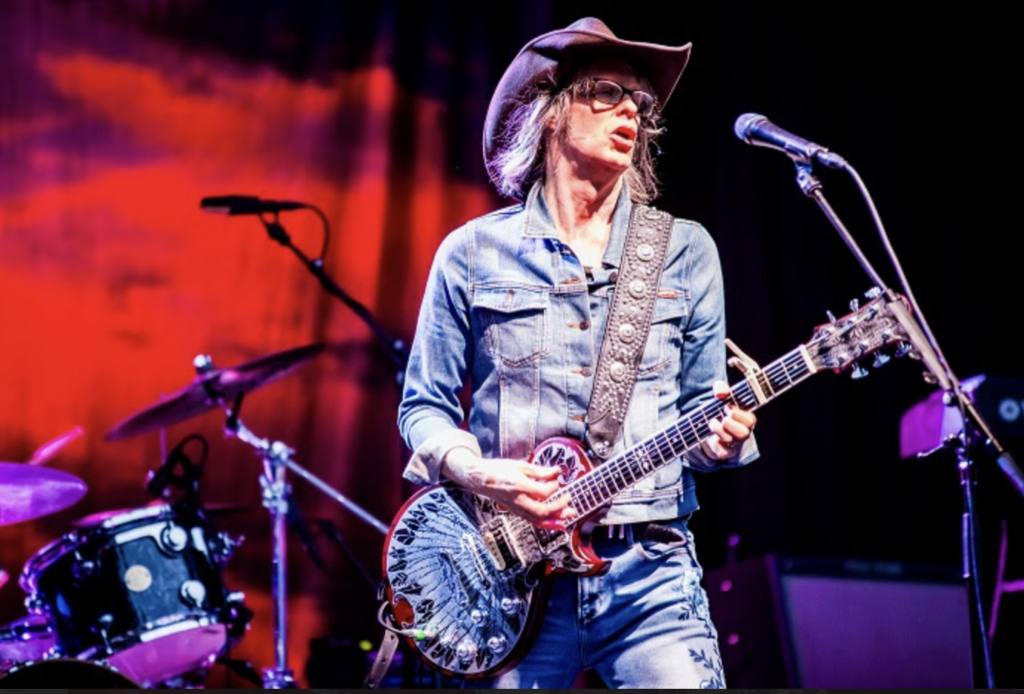
The Waterboys
Soul II Soul: The Sound of Black British Culture
A few days later, Soul II Soul bring to Sani Hill the energy of an entire cultural era. They were far more than a successful musical group: they became a point of reference for Black British culture and played a defining role in shaping the modern soul and R&B scene. Songs such as “Back To Life” and “Keep On Movin’” did not merely define the late 1980s; they continue to stand as symbols of an optimistic, liberating musical language that influenced countless artists.
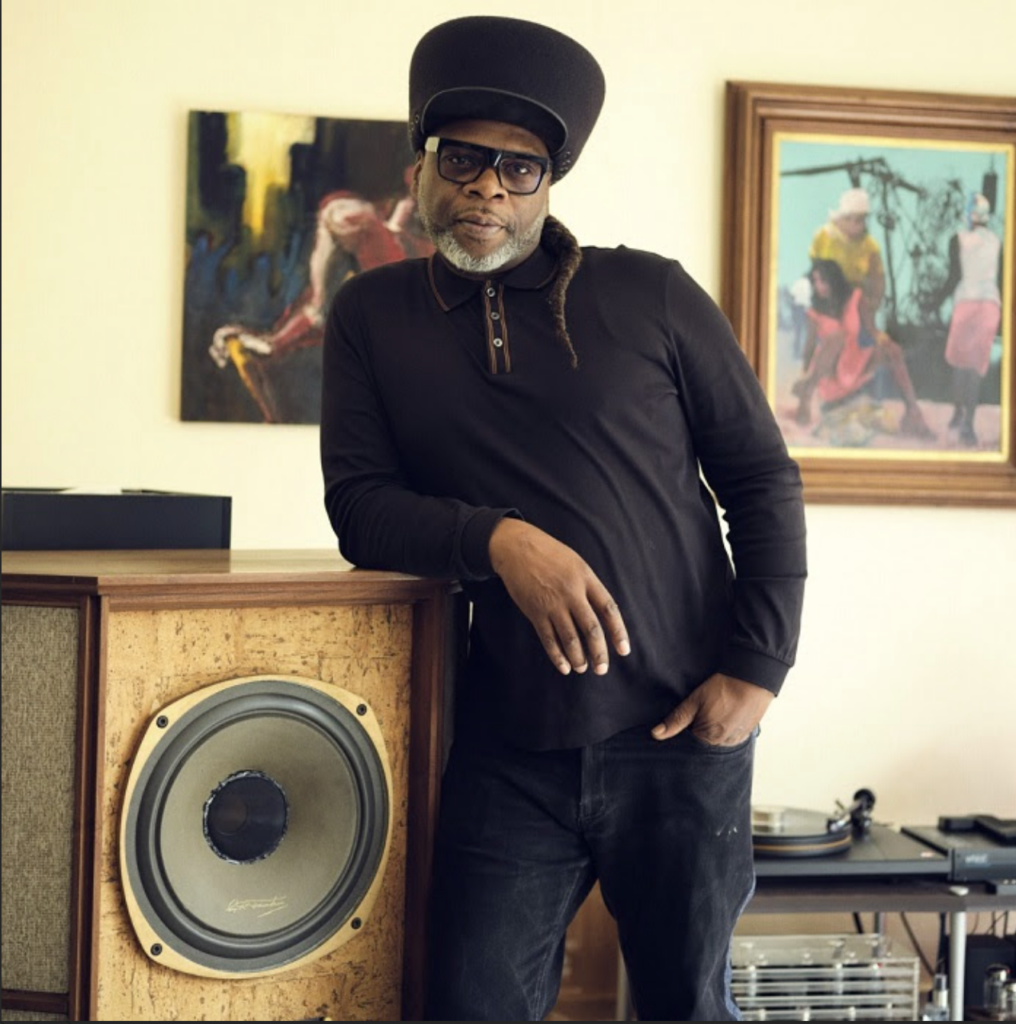
Soul II Soul
Vicky Leandros: A European Music Icon on Sani Hill
The finale belongs to Vicky Leandros, an artist who represents a chapter of European music history in her own right. At a time when international careers for Greek artists were rare, she managed to captivate audiences across Europe, sing in multiple languages and link her name with some of the most memorable moments of pop culture over the past fifty years. Her appearance on Sani Hill, on 15 August, feels almost symbolic: a celebration of memory, cosmopolitanism and timeless songs that have accompanied different generations of listeners.
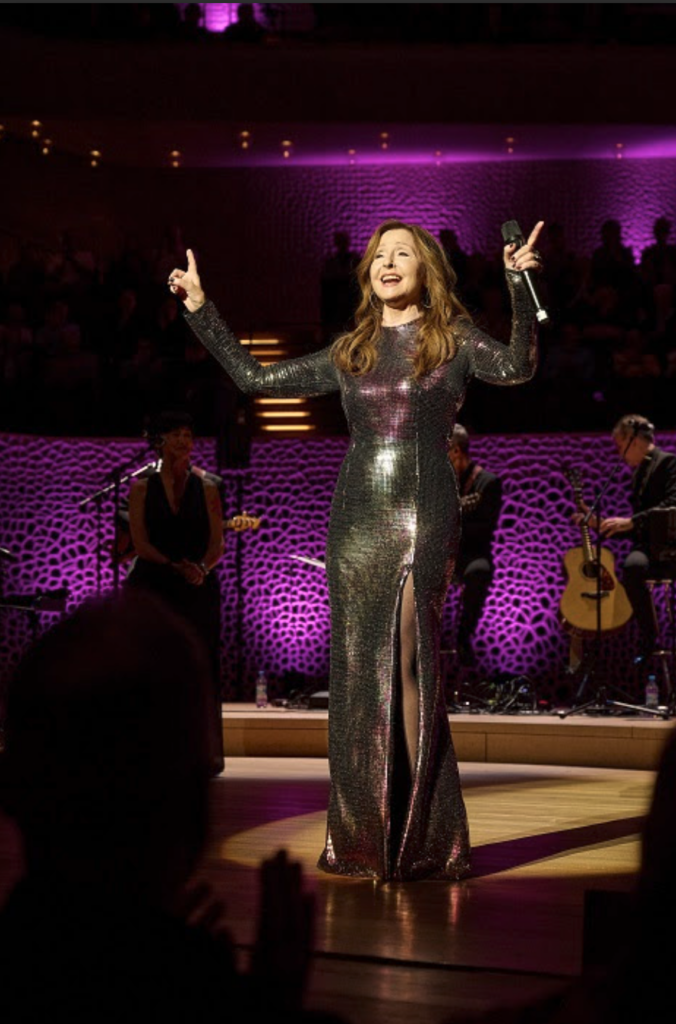
Vicky Leandros
More Than a Festival: A Cultural Meeting Point
What makes Sani Festival stand out, however, is not only the great names on its programme. It is the consistency with which, for more than three decades, it has cultivated a particular idea of culture — not as a luxury or as a side activity of the holiday experience, but as an essential part of the identity of a place. At a time when many festivals compete for attention through excess, Sani continues to invest in the power of musical encounters, offering a programme that brings different worlds together in one of the most beautiful settings in Northern Greece. And perhaps this is its greatest achievement: that every summer, it transforms a hill in Halkidiki into a meeting point for international music history.
Ask me anything
Explore related questions




