





The British Museum is attempting, in various ways, to exert indirect pressure on Greece to accept a lending agreement for the stolen Parthenon Sculptures—a solution that the Greek side has categorically rejected. In an effort to create a climate favorable to this solution, which would serve its own interests, the British Museum has even gone so far as to lend fragments of the Parthenon sculptures, which were illegally acquired, to foreign museums.
Specifically, its administration has agreed to send two fragments of sculptures to the Museum of Ancient Sculpture in Frankfurt. The pieces come from the masterpiece decoration of the Parthenon and will be included in an exhibition running from November 18, 2026, to July 25, 2027. Through the use of modern technologies, the exhibition seeks to present a complete picture of the eastern pediment of the Parthenon.
According to the exhibition organizers, its centerpiece is the result of years of research by a team led by Vinzenz Brinkmann, head of the Liebieghaus Department of Antiquities. Using innovative methods, numerous fragments have been attributed to individual figures and, for the first time, brought together to form a documented overall reconstruction. Visitors will be guided step by step through the reconstruction process. The exhibition concludes with a specially designed animated presentation in which the figures on the eastern pediment come to life.
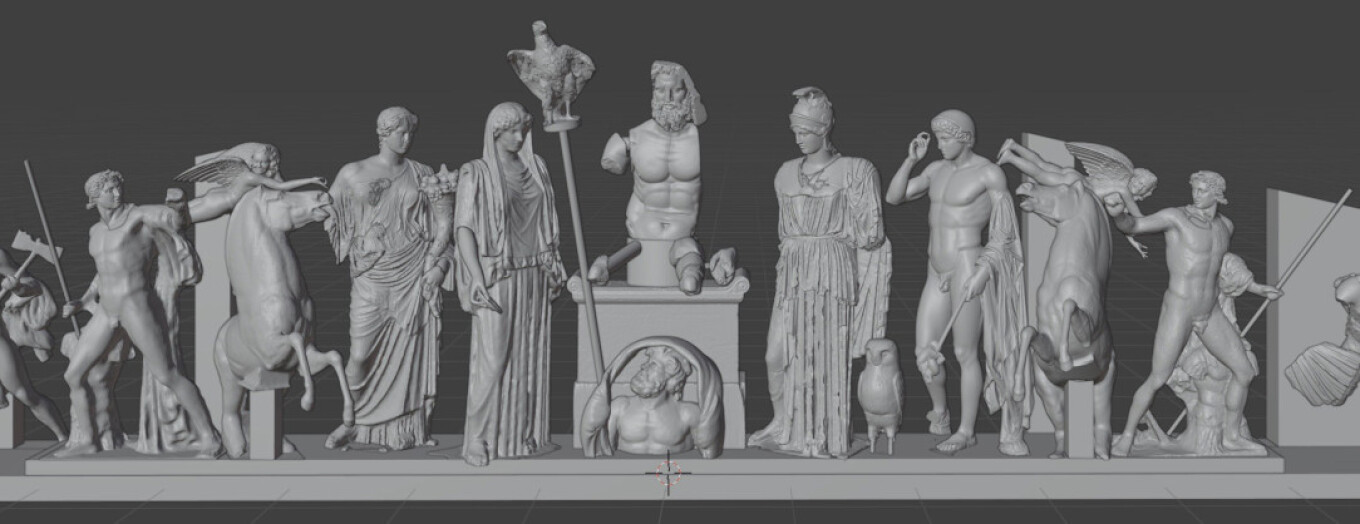
The reconstruction of the eastern pediment of the Parthenon that will be presented at the exhibition of the Museum of Ancient Sculpture in Frankfurt.
The exhibition’s official announcement states that high-profile loans from renowned international collections have been arranged for the exhibition. It does not, however, specify that among the exhibits are also sculptures from the British Museum—pieces that Lord Elgin forcibly removed from the Parthenon, causing irreversible damage to the unique monument.
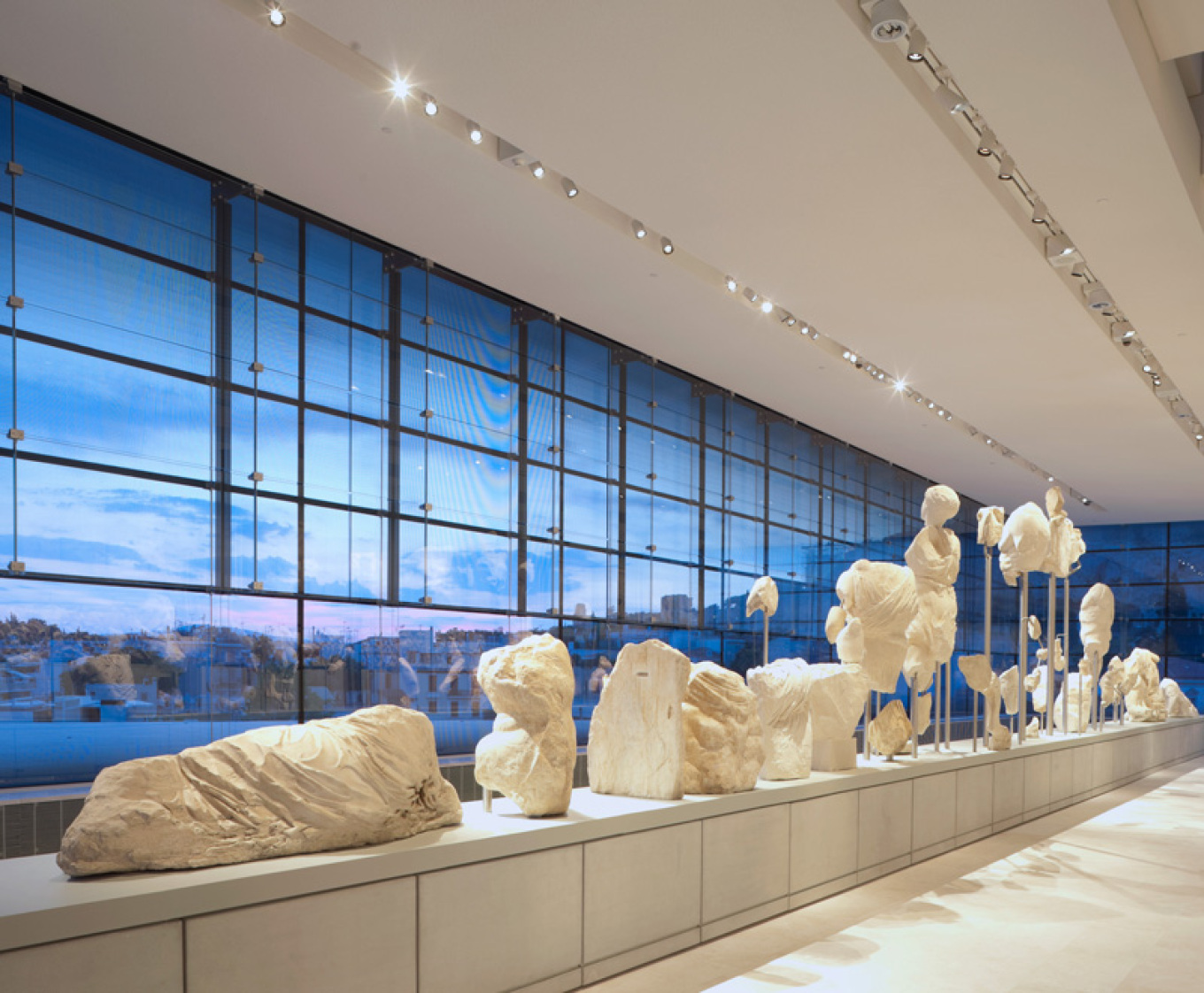
Fragments from the eastern pediment of the Parthenon currently housed at the Acropolis Museum.
The German museum also approached Greece, asking to borrow several exhibits from the Acropolis Museum for the exhibition. It received, however, a resounding “no.”
The Central Archaeological Council, which examined the matter, issued a negative recommendation after learning that fragments of ancient Greek sculptures from the British Museum would also be sent to the exhibition.
The message is clear: The only place where the Parthenon Sculptures can—and morally should—be reunited is Greece.
Burnham’s Change of Position and the Bayeux Tapestry Loan
Despite having for years been counted among the strongest supporters of the reunification of the Parthenon Sculptures—in the early 2000s he had supported changing the British law that prevents their return, while three years ago he had stated that their return should take place without conditions—the new British Prime Minister, Andy Burnham, changed his position shortly after taking office.
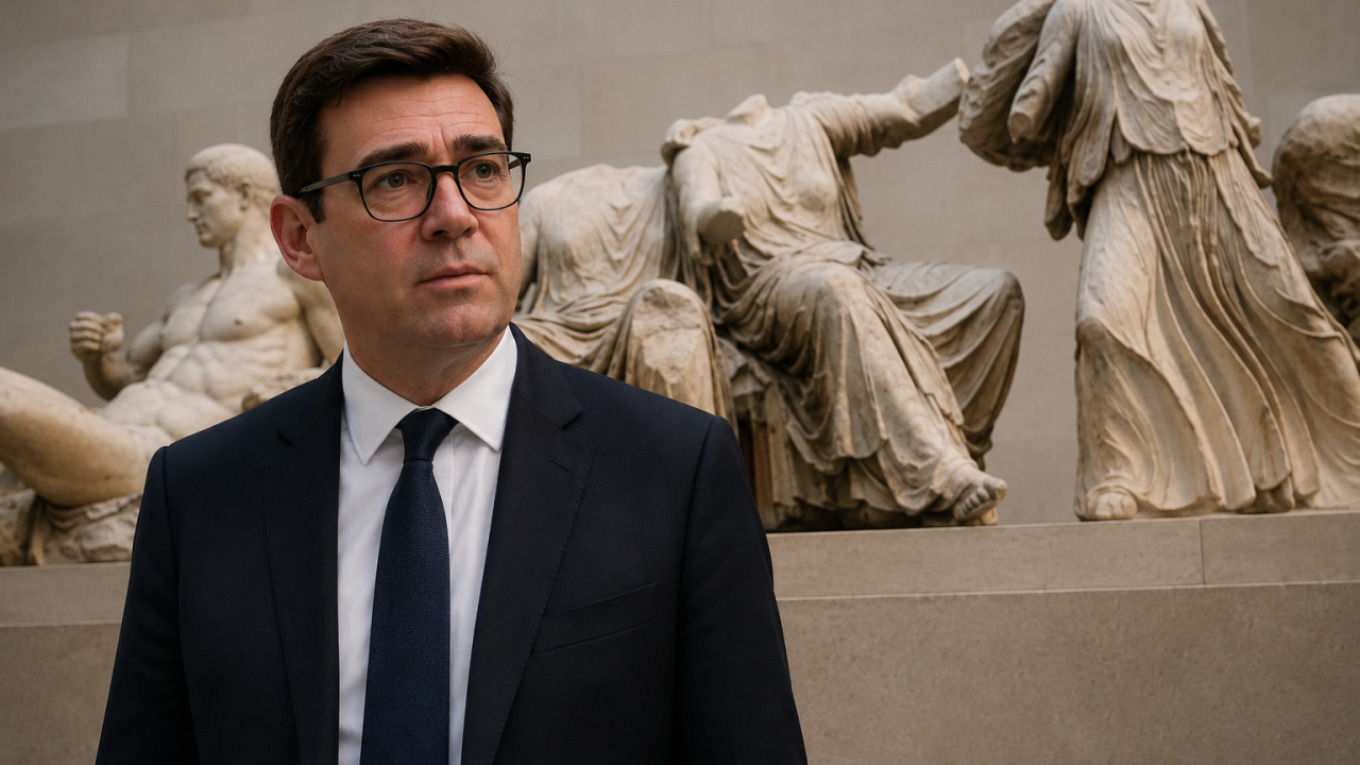
British Prime Minister Andy Burnham.
In an interview with the Financial Times a few days ago, he washed his hands of the issue, arguing that the British Museum is the body that makes the decisions:
“Ultimately, it’s a matter for the British Museum, isn’t it? Legally, that’s where the issue lies, but I’m in favor of using British cultural diplomacy. That is something I fully support.”
The director of the British Museum, Nicholas Cullinan, meanwhile, is attempting to present the temporary loan from France of the historic Bayeux Tapestry, which will go on display at the British Museum from September 10, as an ideal model for resolving the issue of the Parthenon Sculptures.
“We would hope that the fact that it took several attempts to make the loan of the Bayeux Tapestry happen could offer a glimmer of hope for us to move forward [on the Sculptures]. I hope there is some tangible progress. It would be a wonderful thing,” he said recently, also speaking to the Financial Times.
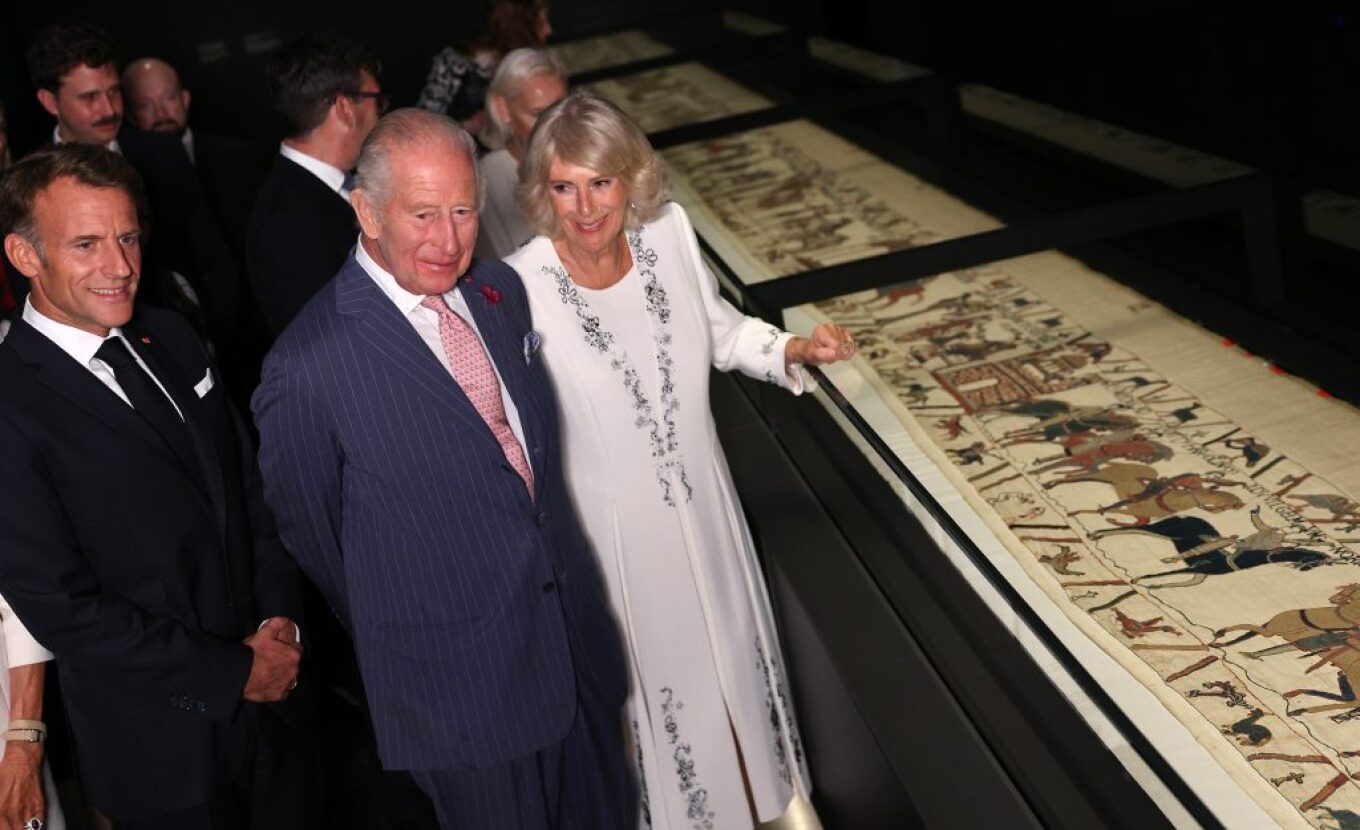
King Charles and French President Emmanuel Macron at the official presentation of the Bayeux Tapestry at the British Museum.
Of course, it should be clarified that these are two entirely different cases, since the Bayeux Tapestry is not stolen cultural property and its ownership has therefore never been disputed.
Although the 70-meter-long medieval embroidery depicting the Norman conquest of England may have been created in England, it was commissioned specifically with the intention that it would travel to France from the outset.
Clearly, a lending arrangement would be an ideal solution for the British Museum, which needs to clear several of its galleries in order to undertake the major and costly renovation of its premises that has been announced.
Greece, however, as has repeatedly been made clear by official representatives, will not accept any solution involving a loan, since this would amount to recognizing British ownership of the stolen Parthenon Sculptures.
Ask me anything
Explore related questions




