





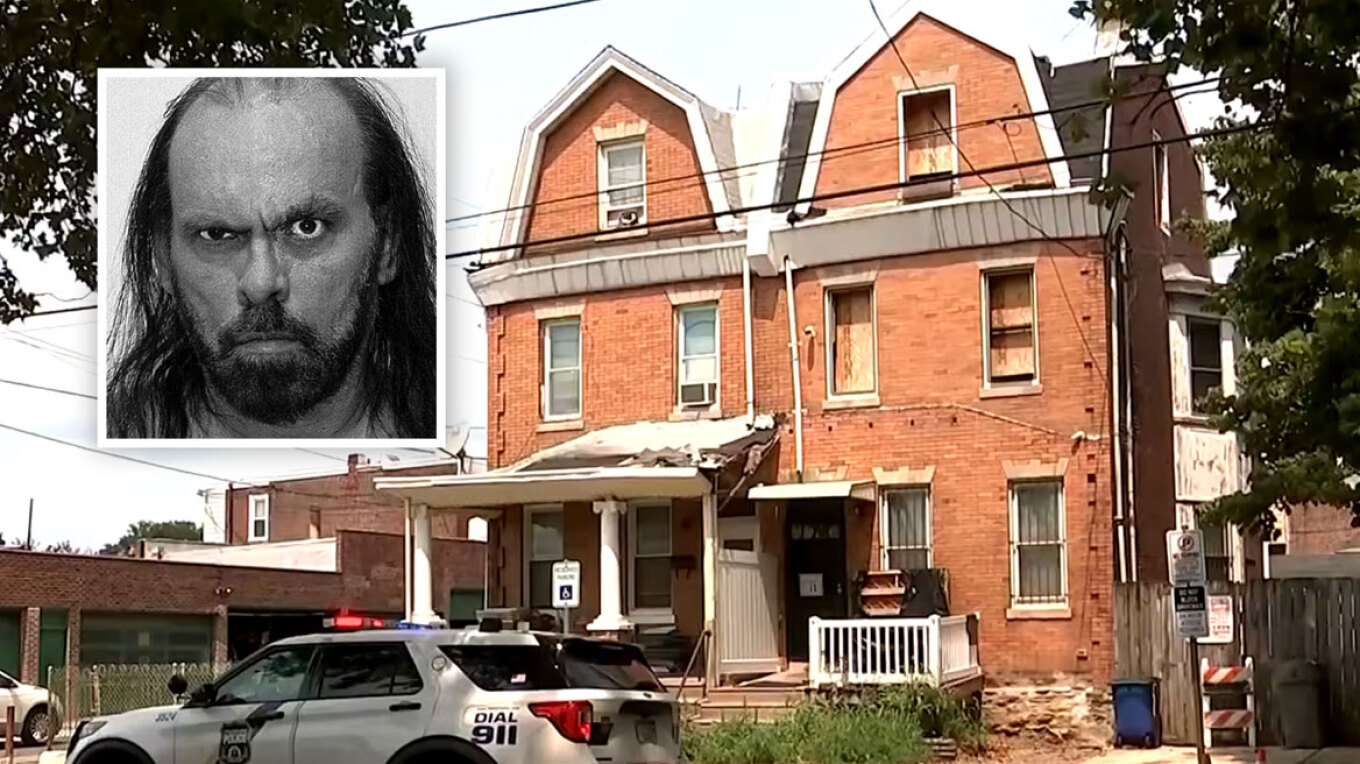
A digital archive holding more than a million files, some showing women who appear injured, unconscious or lifeless, has led investigators in Philadelphia to what has been described as one of the darkest cases currently under way in the United States.
The house at 417 West Chew Avenue sits in the Olney neighbourhood. It was home to Raymond “R.C.” Horsch and his son, Eugene. The elder Horsch was a photographer and producer of pornographic material who died in 2025 at the age of 82. Police and the FBI (Federal Bureau of Investigation) are now working through the vast trove of files he left behind, trying to establish which of the violent scenes he recorded were staged and which may depict real crimes.
As of 16 September, investigators had identified 58 women appearing in the material, according to CBS. Five of them are feared dead, while two more linked to the house remain missing. The FBI had, at that point, examined only around 30 percent of the digital material.
The arrest that led police to the house
On 19 June 2026, 44-year-old Eugene Horsch was arrested in Philadelphia. A woman travelling with him in the car was carrying a fake identification card bearing the name “Blair Tonzelli”, a woman who had been reported missing in 2023. Police also said two unlicensed firearms and a forged DEA (Drug Enforcement Administration) credential were found in the vehicle.
It was Tonzelli’s name that first drew investigators’ attention to the house on Chew Avenue. Searching the property, officers found more than 20 containers of unidentified substances, a barrel connected to piping, weapons, drugs, five urns and dozens of electronic storage devices. The containers of unknown substances were sent for laboratory analysis.
Officers later dug around the property and removed sections of piping. Sources familiar with the investigation told CBS Philadelphia that detectives were looking for evidence of so-called “liquid cremation”, a chemical process that can break down human remains. No human remains have been found at the property to date, however.
600,000 photographs and 70,000 videos
In August, police announced they had recovered more than 600,000 photographs, 70,000 videos and over 10,000 pages of documents, handwritten notes and drawings from electronic devices found in the house. At that stage, investigators had only managed to review between five and seven percent of the material.
Photographs and videos of missing women
Two names from older missing-persons cases emerged early in the files: Gabrielle Amarando, who was 22 when she disappeared in 2012, and Maribel Fresses, 28, who vanished in 2018, according to The Philadelphia Inquirer. Officers found images of both women alive inside the house, as well as later material in which they appear lifeless. Their bodies have not been recovered and, police have said, without them the medical examiner cannot issue a death certificate or formally determine a cause of death.
The strangulation video
Investigators then found a video which, according to the New York Post, amounts to a “snuff film” showing Raymond Horsch strangling a woman. She was later identified by a relative as Nicole Fusaro, who was 27 when she disappeared from Kensington in 2018. Police sources told the Philadelphia Inquirer they believe Horsch killed her, and officers have informed her family of the discovery. NBC confirmed the video exists, but said it had not been able to independently verify the identity of the woman shown in it.
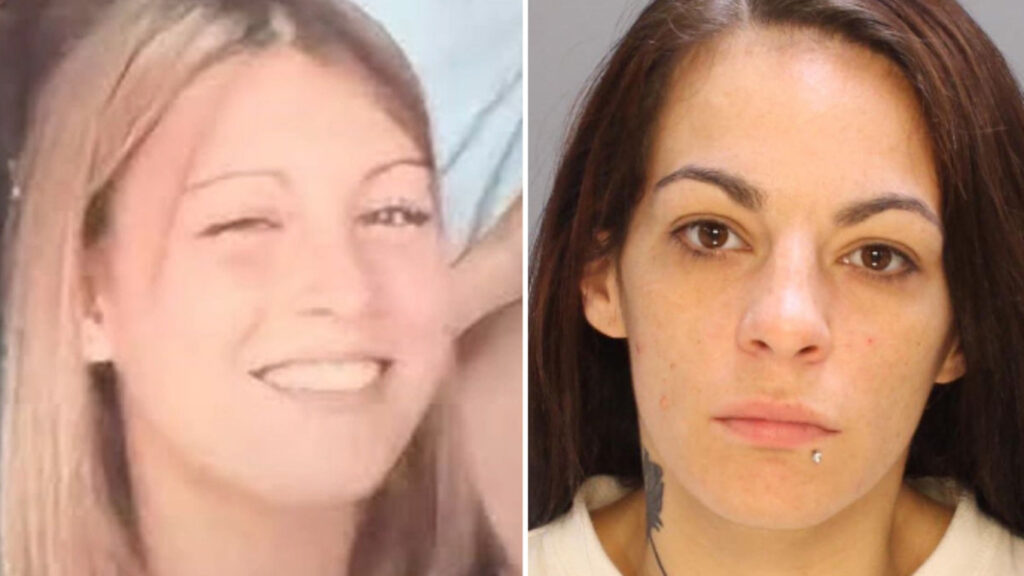
On 16 September, Deputy Police Commissioner Frank Vanore gave a public account of part of the material. According to police, the woman is seen taking drugs and then accepting money from Horsch. He ties her to a bed and places a plastic zip tie around her neck. She then appears to lose consciousness and remain motionless, according to 6abc.com.
“Nicole was a beautiful, kind-hearted woman who deserved so much better than what happened to her. She will forever be loved and missed by her family and friends,” said her cousin, Jonathan Halloran-Koren.
Blair Tonzelli, the missing woman who opened the case
The disappearance of Blair Tonzelli, whose fake ID was found on the woman travelling with Eugene Horsch and effectively led police to the house, remains unsolved. Tonzelli went missing in 2023 and police say she was one of the women connected to the property. Authorities have not said whether any material in the digital archive shows what happened to her.
The New York Post has also published a chilling account from a friend of Tonzelli. According to the paper, the missing woman had described Eugene Horsch as a “sociopath” and said he had talked about the possibility of dissolving human remains using chemicals.
The photographer’s former wife also disappeared
One more woman’s trail led to the same house long before the current investigation began. Amy McHale, Raymond Horsch’s former wife, disappeared in 2016. On 13 June that year, she left her daughter a message saying she was safe and staying at Horsch’s house on Chew Avenue. She has not been heard from since.
Seven missing women
Authorities have identified material showing two further women who appear injured and unconscious or lifeless. One, around 25 years old, has been identified, though her family has asked that her name not be released. The second has not yet been identified.
In total, seven women who are missing or believed to be dead are now connected to the investigation at the house. Nicole Fusaro, Gabrielle Amarando and Maribel Fresses are considered likely dead by authorities, while Blair Tonzelli and Amy McHale remain officially classified as missing.
The man behind the camera
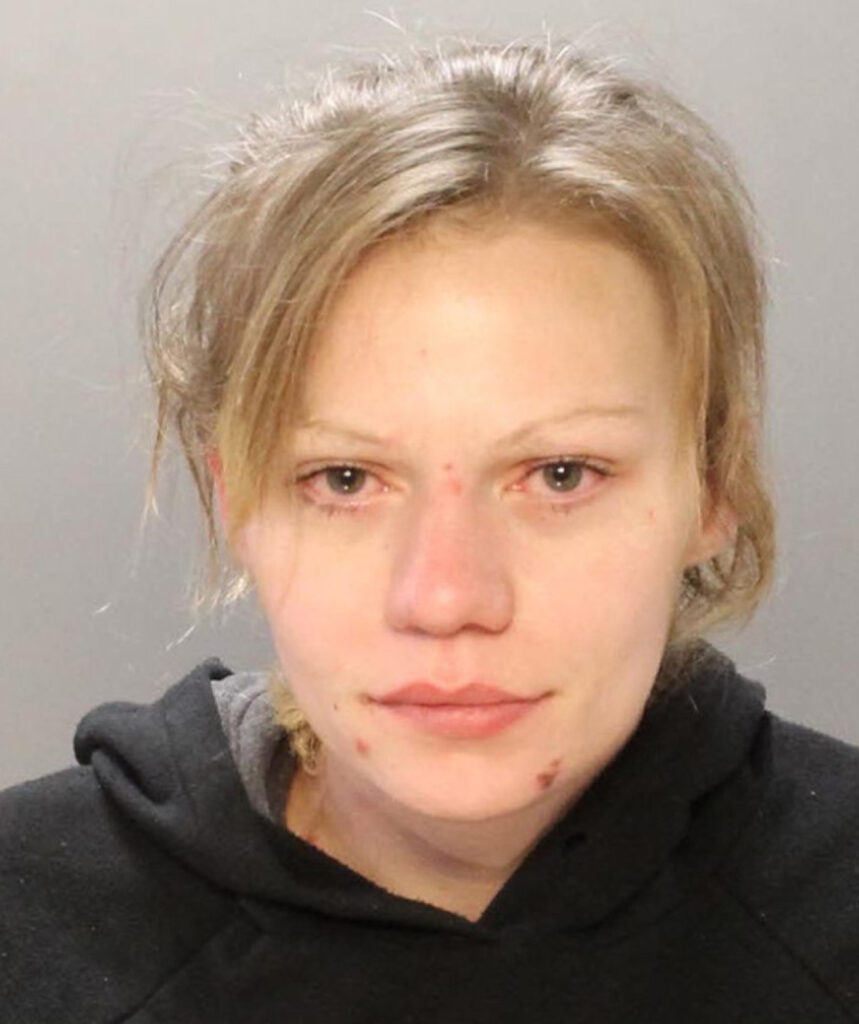
The man at the centre of most of these files can no longer answer for them. Raymond Horsch died in 2025 at the age of 82. For decades he produced erotic and pornographic material, some of it depicting extremely violent scenarios, including strangulations and staged death scenes.
According to the Philadelphia Inquirer, he approached women struggling with addiction in Kensington, offering them money and drugs to appear in his photographs and films. He also had a criminal record, including convictions for drug production and forgery, though he was never charged in connection with any of the crimes now under investigation involving the women linked to the house.
The nature of his work is part of what makes the investigation so difficult. Officers know that some of the material was deliberately staged to look violent and real. Every photograph and video must therefore be examined to determine where the staging ends and where a genuine crime may begin.
Eugene Horsch, the son
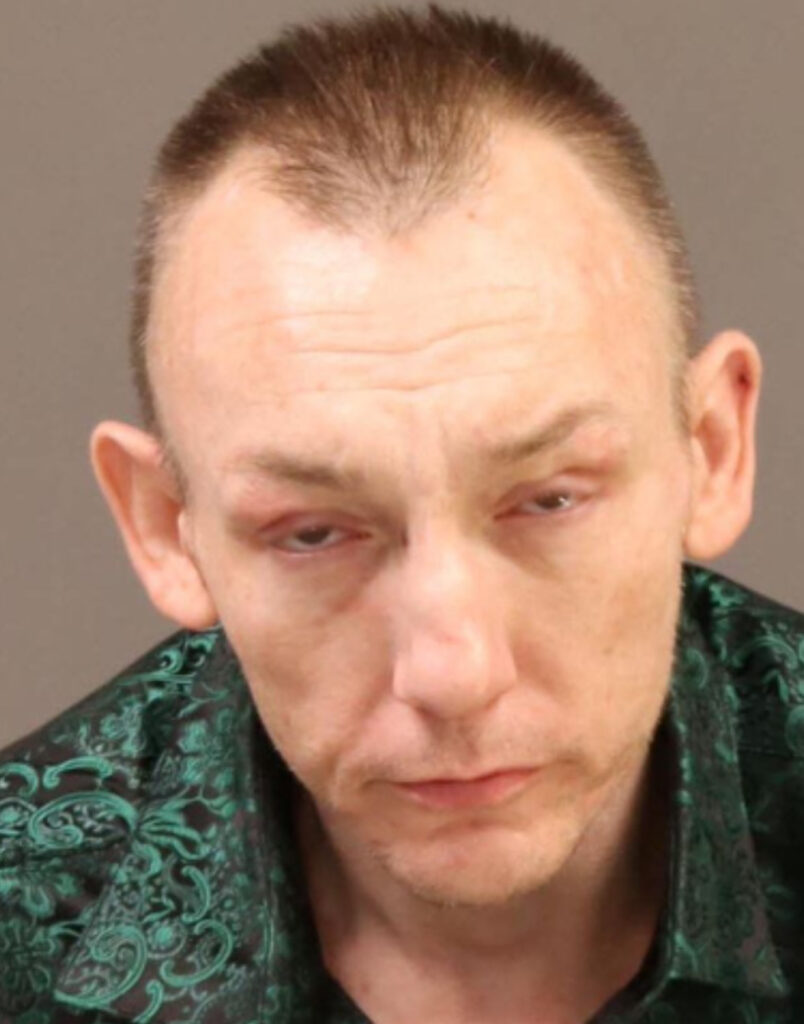
Although his arrest was what led police to the house, Eugene Horsch has not, so far, been charged in connection with the death or disappearance of any of the women. He remains in custody on the charges brought following his arrest.
The investigation now rests on the hard drives Raymond Horsch left behind, containing more than a million files. Five women seen in the material are the focus of the investigation, while two more linked to the house remain missing. Despite the excavations, the searches of the piping and months of investigation, no body has yet been found on the property.
Ask me anything
Explore related questions




