





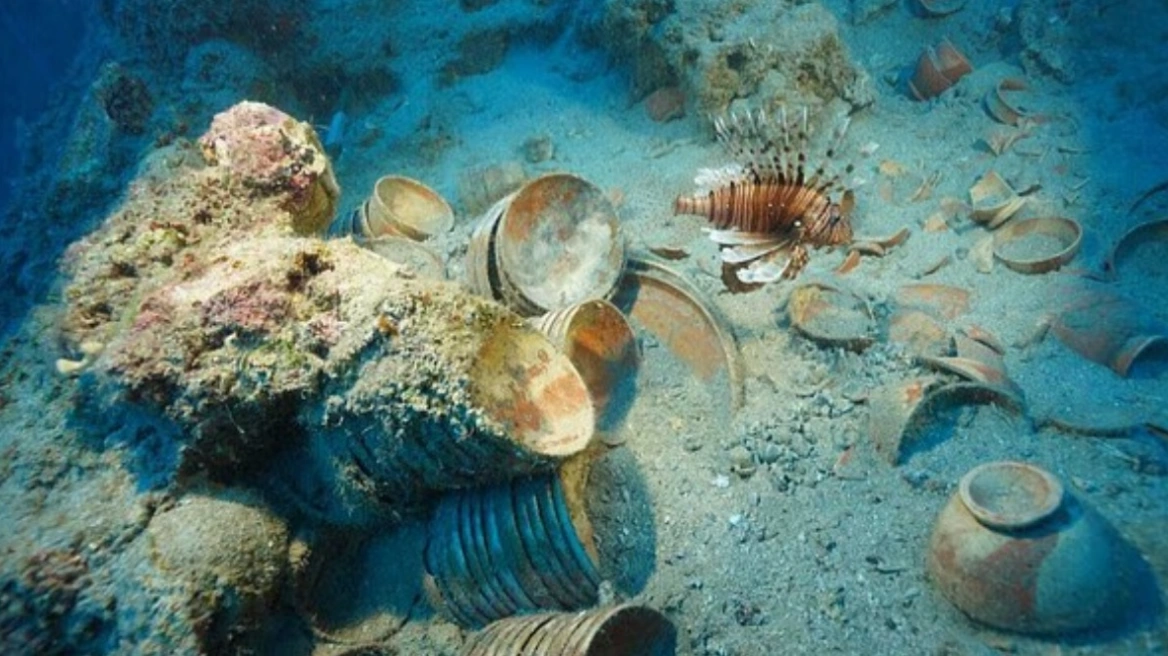
An impressive cargo of luxury ceramic tableware, which remained on the floor of the Mediterranean Sea for around 2,100 years, has been brought to light by new archaeological research off the coast of Turkey.
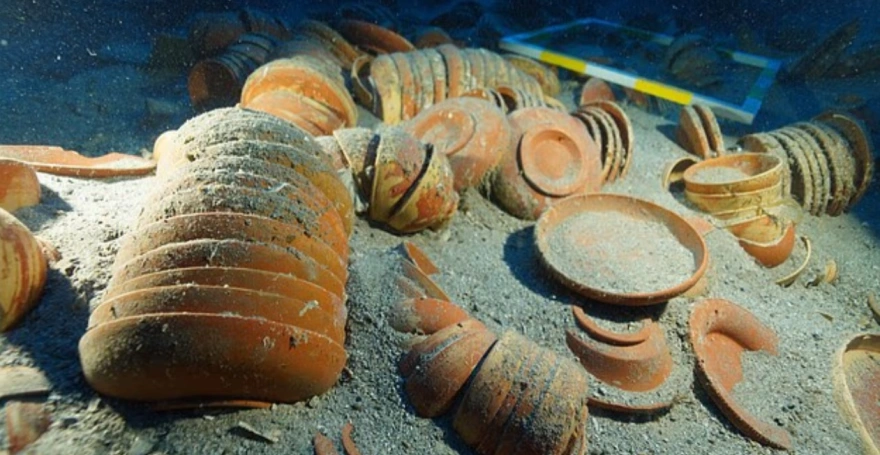
Specifically, archaeologists in the neighbouring country discovered a shipwreck filled with thousands of ceramic vessels, plates, bowls and trays of various sizes, many of which have been preserved in exceptional condition.
The find is considered particularly significant because it offers a rare glimpse into how wealthy Romans dined and how luxury goods were traded throughout the Mediterranean.
Turkey’s Minister of Culture and Tourism, Mehmet Nuri Ersoy, said the investigations were bringing to light “2,100-year-old tableware from the depths of the Mediterranean,” noting that underwater excavations launched in 2025 had already yielded thousands of objects from the shipwreck.
At a Depth of 55 Metres off Antalya
The shipwreck lies at a depth of approximately 55 metres off Adrasan, in the Antalya region. However, researchers believe the vessel had departed from the ancient settlement of Rhossus, in an area that today belongs to Hatay province.
The two locations are approximately 300 nautical miles apart. It is considered likely that the ship was heading towards Rome when it encountered a storm and sank, after first running aground in shallow waters.
Thousands of objects have been recovered so far, including plates, bowls and trays in 122 different shapes and sizes. According to archaeologists, these finds reveal the level of luxury that characterised the dining culture of the period.

Ceramics from Different Production Centers
Ceramic vessels from various Aegean islands were also found in the shipwreck, indicating that the vessel was carrying goods from more than one production centre.
Written sources from the Roman period show that ceramics from Rhossus enjoyed an especially strong reputation among wealthy consumers. The significance of the discovery is further enhanced by a particular connection to one of ancient Rome’s best-known figures: Cicero.
In a letter to his friend Atticus in 50 BC, Cicero referred to an order for ceramic tableware from Rhossus, demonstrating that products from the region were highly sought after among wealthy Romans.
Why They Were Preserved Almost Intact
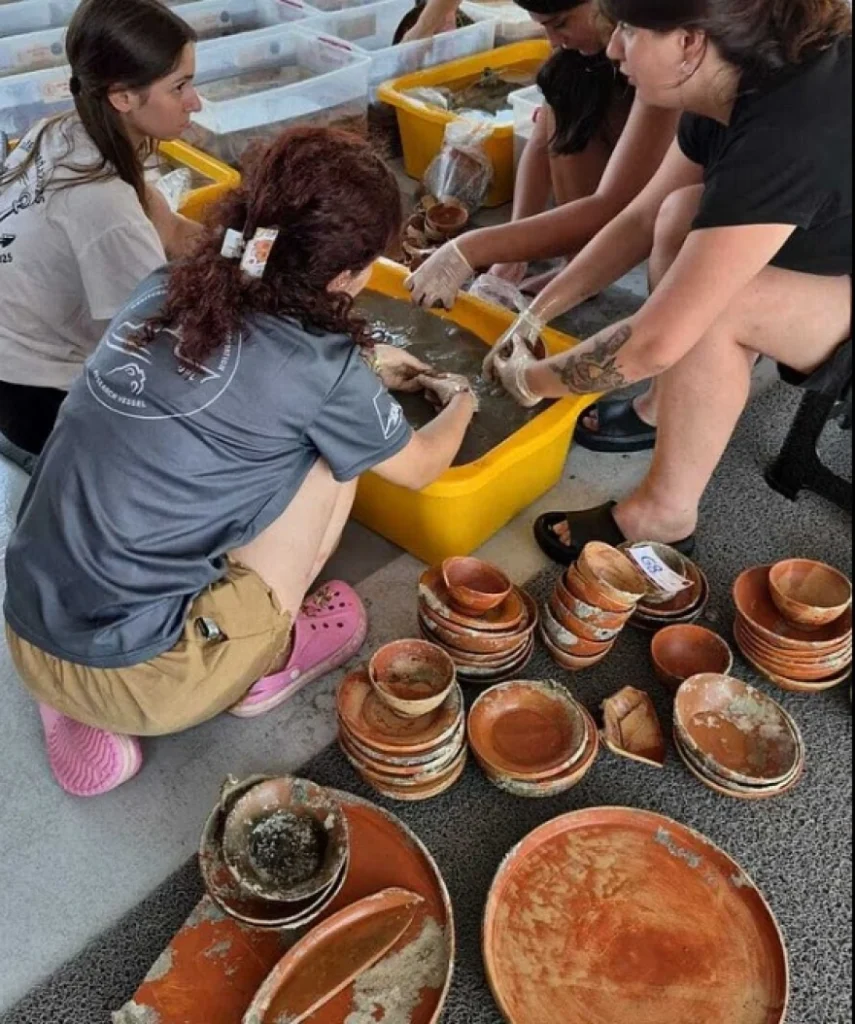
Archaeologists found that the cargo was in unusually good condition. Their explanation is that the ceramics had been carefully packed in wooden crates, with clay placed between individual items to prevent breakage during transport.
When the ship sank, this protective packaging appears to have acted as a natural “shield,” protecting much of the cargo from serious damage.
Coins dating to the 1st century BC were also recovered from the wreck, helping researchers establish the period in which the vessel made its final voyage.
“Thanks to the clay placed between the objects when they were packed in crates, the finds have reached us almost intact, bringing into the present both Anatolia’s production expertise and the Mediterranean’s commercial past,” Ersoy said.
Ask me anything
Explore related questions




