





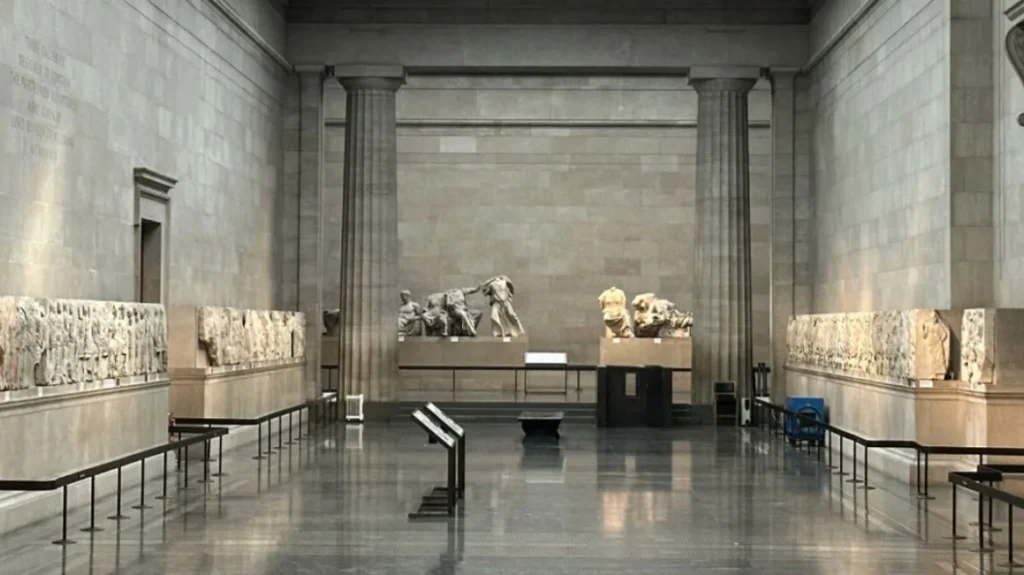
The intense cross-party pressure brought to bear on the British government yesterday in the House of Lords in support of the return of the Parthenon Sculptures from the British Museum to Greece highlighted, in the clearest possible terms, the strength of Greece’s repatriation campaign, the inadequacy of the proposed loan arrangement, and the “loopholes” in the law. If there is the political consensus to open them, they could provide a definitive solution to a longstanding cultural and ethical issue of global significance.
Although, as has happened repeatedly over the years, Britain’s Culture Minister Baroness Twycross invoked yesterday the famous 1963 law, which prohibits the permanent removal of exhibits from the country’s national museums, exceptions do exist—and, in fact, they are provided for under subsequent legislation.
A similar exception could offer a solution to the pressing issue of repatriating the Parthenon Sculptures through a limited, rather than radical, amendment to the existing law. This was proposed yesterday in the British Parliament by the independent Earl of Clancarty, whose real name is Nicholas Trench, an artist and writer, and would allow the British Museum to decide for itself what should happen to them.
Such a targeted solution would also protect the Museum from the possibility of a flood of further requests for the return of cultural treasures to their countries of origin—a frequently cited argument by the British side as a reason for holding back from reaching an agreement with Greece.
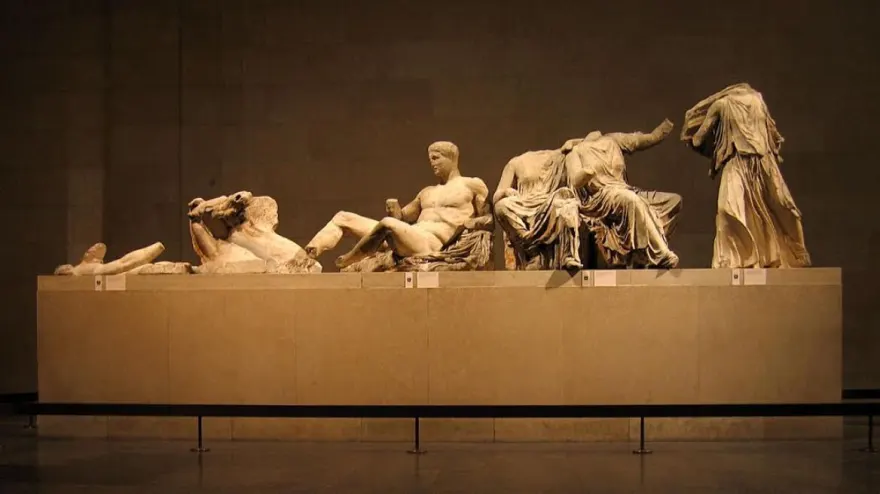
The exceptions to the law
The original exceptions to the 1963 law, which prohibits the trustees of the British Museum from selling, exchanging, giving away or otherwise disposing of any object that has come into their possession and forms part of the Collection, were fourfold:
- The object is a duplicate of another object included in the Collection.
- In the trustees’ judgment, the object was made no earlier than 1850.
- In the trustees’ opinion, the object is unsuitable for retention in the Collection and can be removed without harming the interests of students.
- The object has become useless for the Museum’s purposes because of damage, physical deterioration or infestation by destructive organisms.
Over the years, however, and in response to modern international principles concerning respect for peoples and their cultural heritage, additional circumstances and exceptions have been introduced, allowing exhibits to be transferred and repatriated from the United Kingdom’s national museums to their countries of origin.
Specifically, in 2009, legislation was passed allowing certain national museums and institutions to return legally cultural objects looted during the Nazi era (1933–1945), following recommendations from a special advisory panel.
Special legislation was also passed in 2004 allowing human remains to be removed from collections and transferred or repatriated, subject to specific time-related and legal criteria.
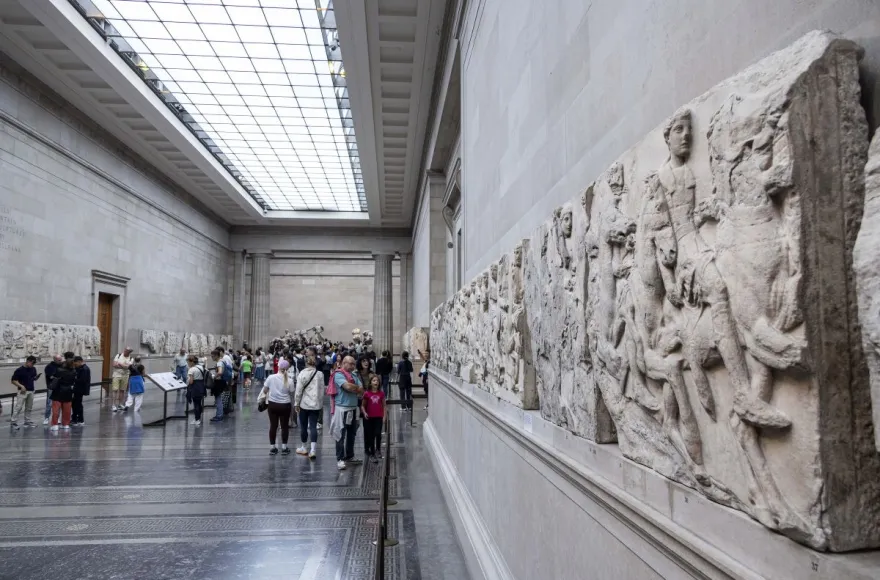
The most recent and particularly significant legislative change is the Charities Act 2022. Its provisions are due to come into force at the end of November and allow “ex gratia” transfers—that is, the return by British national museums of objects to their places of origin in order to fulfil compelling moral or ethical obligations.
Although this legislative provision would have been ideal for resolving the issue of the Parthenon Sculptures, since their repatriation is primarily a moral question, the British government moved swiftly and specifically to exclude 16 museums funded by the Department for Culture, Media and Sport from the new provisions, foremost among them the British Museum itself.
This stance, combined with the United Kingdom’s political leadership insisting on a loan arrangement—which the Greek side cannot accept under any circumstances, since it would amount to recognition of British ownership—clearly demonstrates that a legislative route to the repatriation of the Sculptures does exist. All that remains is the political will to pursue it, which, at least until yesterday, was lacking.
Ask me anything
Explore related questions




