





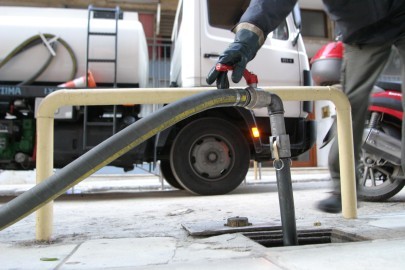
The request has been already submitted and the government is preparing to negotiate with lenders in autumn during the new evaluation phase which starts in September, arguing that the increase in the tax price on heating oil has been proved an ineffective measure and affects consumption and revenues, causing also a negative impact on society and environment.
The Greek government will ask to increase the number of instalments regarding the debts of citizens to the tax authorities since the overdue debts reach over 65 billion.
According to a source of the State General Accounting Office, the measure of equalization taxes on heating oil led to a drop of 70% in consumption and so revenues decreased.
The economic team estimates that a “moderate reduction” in the excise tax on heating oil by 15% or 20% can relieve burden on households and businesses, but also stimulate consumption and, consequently, increase the revenue from excise tax and VAT so the government will not need to seek new equivalent measures.
The economic team, however, is afraid that Troika will attempt to block the tax relief measures pushing for more structural changes and reforms that have not been completed such as the layoffs in the public sector.
Ask me anything
Explore related questions




