





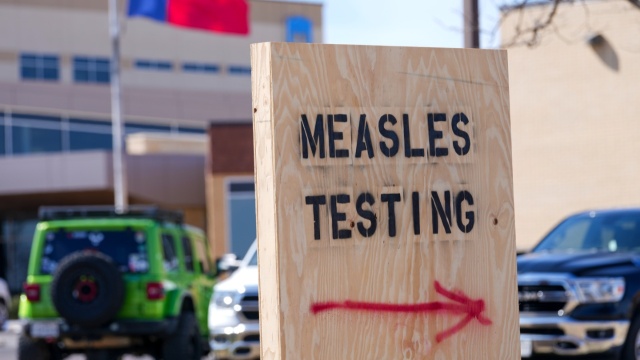
The measles outbreak in the United States continues, with at least 6,039 confirmed cases of the preventable disease recorded in 2026, according to the latest update from the Centers for Disease Control and Prevention (CDC), the country’s leading public health agency, released on Wednesday.
There were 2,289 cases in 2005 and just 285 in 2024, according to the same source. The CDC reports at least nine deaths from the disease in the US this year, compared with three in 2025. The actual number, however, is believed to be higher.
Earlier this week, authorities in Pennsylvania said that nine deaths from the disease had been recorded in the state in 2026. Earlier this month, New York authorities announced “the first known measles-related death in the state (…) in more than 30 years”.
By comparison, health authorities in Germany reported 74 measles cases and no deaths as of the end of October, while those in Australia reported 113 cases and no deaths as of the end of September.
The discrepancies over the actual death toll stem from the fact that the CDC, under Health Secretary Robert F. Kennedy Jr, a vaccine sceptic appointed to the post by Republican President Donald Trump, is drawing data from official death statistics rather than updates from state health authorities.
Amid widespread outbreaks since 2025, the US lost its measles-free status in mid-November after more than 25 years. The Pan American Health Organization (PAHO), the regional office of the World Health Organization (WHO), explained that it had taken the decision because the same measles virus strain had been circulating continuously in the US for 12 months.
Experts attribute the outbreaks primarily to declining vaccination rates, or what is known as “herd immunity”. Among children attending kindergarten, vaccination coverage for the measles, mumps and rubella (MMR) vaccine has fallen from 95.2% to 92.4% over the past six years, according to the CDC.
The WHO estimates that vaccination coverage across the general population must reach at least 95% to prevent the long-term spread of measles.
Health Secretary Kennedy, a prominent figure in the anti-vaccine movement, spent years spreading unsupported claims about vaccines and downplaying the dangers of measles. In a lengthy statement published on X in September, he insisted that he considers the measles vaccine “the most effective tool” for preventing the disease, hitting back at those who blame him and, as he put it, “politicise” the issue.
Ask me anything
Explore related questions




