





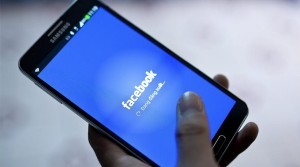
Facebook remains as the favorite target for digital criminals who specialize in tapping the details of accounts on social networks. According to statistics from Kaspersky Lab, the first quarter of 2014, the fake sites that mimic Facebook touched 10.85%. Overall, most alerts on the Internet were bogus phishing pages of Yahoo and Facebook. Main objective seem to be among social networking sites.
Today, Facebook scams are a global ‘business’ and attacks made against him in various languages including English, French, German, Portuguese, Italian, Turkish, Arabic etc.
Smartphone or tablet holders which visit social networks from their mobile devices are equally at risk of becoming theft victims of their personal data. The situation becomes even worse as some mobile browsers hide the address bar when a website is opened, complicating even more users to detect fake sites.
What do the experts advise
-If you receive an email notification from Facebook or a message that your account may be blocked, do not enter your information in whatever form is contained in this message. Facebook never asks users to post their password in an email or send their passwords via email.
-Place your cursor over the link and check if it leads to the official page of Facebook. Additionally, manually enter the URL of Facebook in your browser, as digital criminals are able to hide the addresses to which they are leading you to.
-After you enter Facebook’s URL, check again when the page loads to make sure it is not fake.
-Remember that Facebook uses the HTTPS protocol to transmit data. The lack of secure connection probably means that have visited a fake site, even if the URL is seemingly correct.
Ask me anything
Explore related questions




