





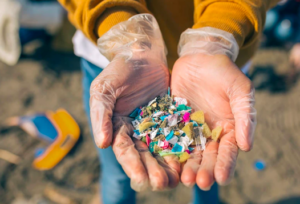
In 2019, the World Wide Fund for Nature (WWF) funded a research study by the University of Newcastle in Australia to quantify human ingestion of microplastics. The WWF then commissioned consultant Dahlberg to create a report from this study, highlighting the environmental dangers of microplastics and urging action to address the issue. The report’s key finding, widely reported, was that humans ingest about 5 grams of microplastics weekly, equivalent to a credit card’s weight. Although later studies have disputed these figures, the concern about unknowingly consuming plastic remains significant.
Weather: Its two sides, warm or stifling due to the African dust
From Process to Plate
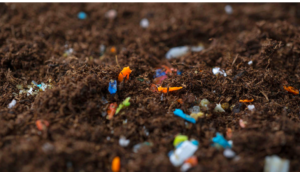
Plastics in the food industry used in packaging and processing can put harmful chemicals into foods. Plasticizers like phthalates and bisphenols (e.g., BPA) are widespread and can contaminate food, posing health risks even at low levels. Microplastics have been detected in various human tissues, and a 2024 study linked microplastics in arteries to a higher risk of heart attacks, strokes, and death. Nanoplastics are particularly concerning as they can infiltrate cells and disrupt bodily functions.
According to studies, the foods with the highest concentration of harmful substances are:
– Breaded shrimp, containing by far the most microplastics, with over 300 microplastic pieces on average per serving.
– Plant-based nuggets, with fewer than 100 pieces per serving.
– Chicken nuggets.
– Fish sticks.
– Processed White Gulf shrimp.
– Freshly caught Key West pink shrimp.
– Apples and carrots, the most contaminated fruits and vegetables, respectively, with over 100,000 microplastics per gram.
– Rice, with three to four milligrams of plastic for every 100 grams (1/2 cup) consumed.
– Coarse pink Himalayan salt mined from the ground also had many microplastics, followed by black salt and sea salt.
– Tea bags, many of which are made from plastic, can release vast amounts of plastic.
– Bottled water, with an average of 240,000 plastic particles per liter from seven types of plastics.
The least amount of chemicals from plastic in proteins were chicken breasts, followed by pork tenderloin and tofu.
Plastic Everywhere
Today, a recent analysis shows an astonishing number of plastics in the world. There are 16,000 plastic chemicals, with at least 4,200 considered “highly hazardous” to human health and the environment. As these chemicals break down in the environment, they can transform into microplastics and then nanoplastics, particles so small that science struggled for decades to detect them.
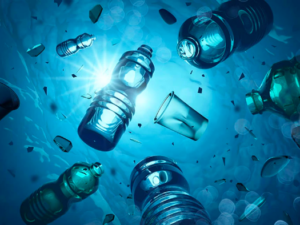
The urgent issue is recognizing the health risks posed by plastic consumption and taking steps to protect ourselves despite living in a plastic-filled world. To reduce exposure to plastic in food, opt for minimal plastic packaging, avoid heating food in plastic containers, and switch to glass or metal alternatives. Use non-plastic food storage containers, avoid plastic utensils, and choose silicone or BPA-free options when buying kitchen tools. Though policy changes are crucial, individual actions can safeguard health while navigating our plastic-laden environment.
Ask me anything
Explore related questions




