





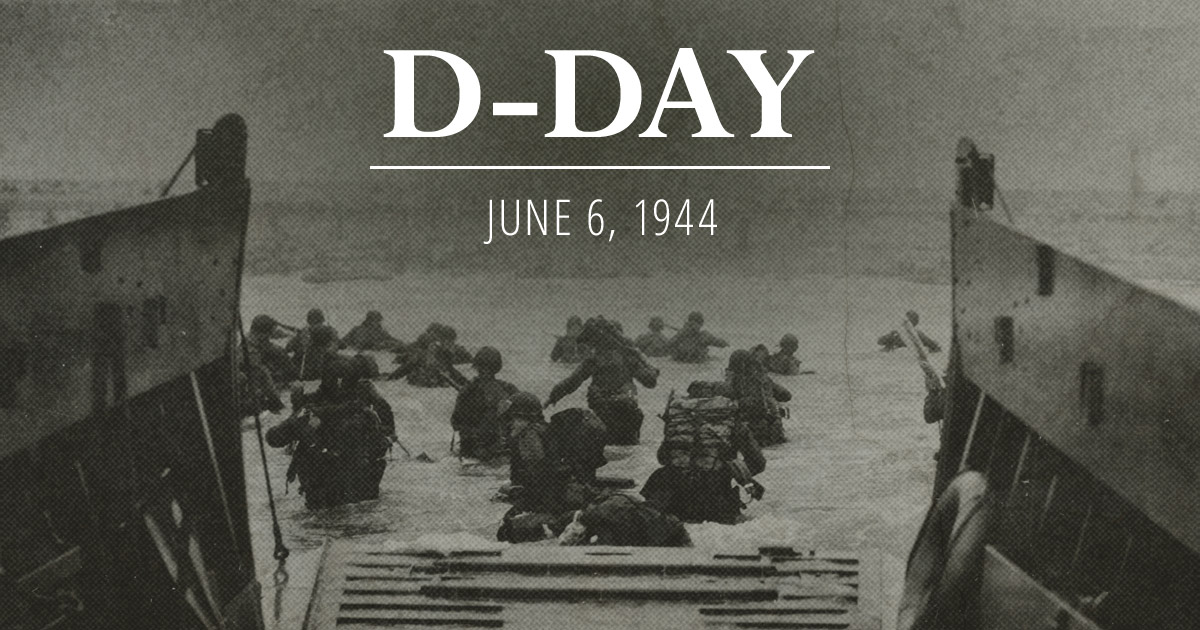
When northern Europe was in the clutches of Nazi control 70 years ago, 156,000 allied soldiers were there to fight for liberty.
The date these soldiers landed on the beaches of Normandy – June 6, 1944 – would from that day forward be remembered as D-Day in the World War II conflict.
It is estimated that more than 425,000 allied and German soldiers lost their lives, were wounded or went missing during the invasions that followed the D-Day landings making it a date all would remember for decades to come.
Here is everything you need to know – including what the D in ‘D-Day’ actually means.
When was D Day?
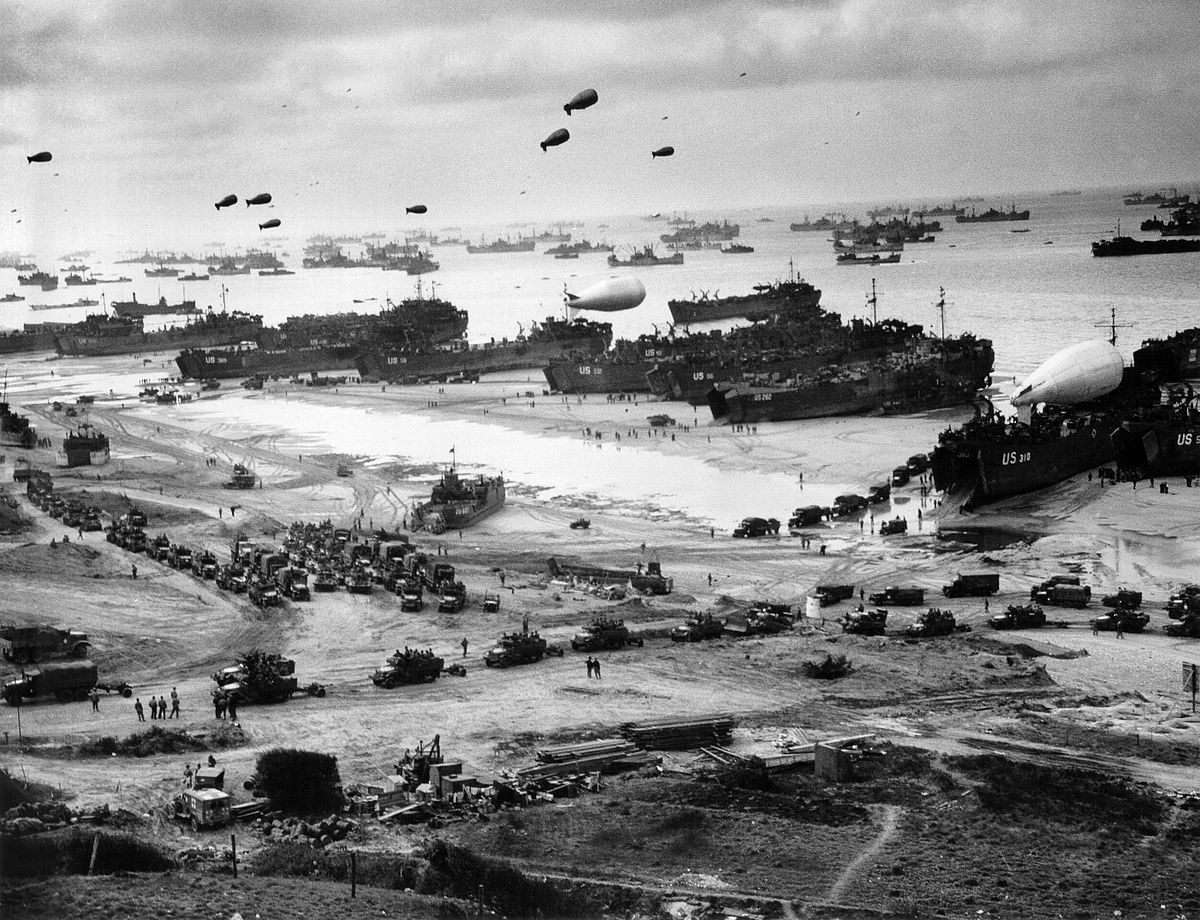
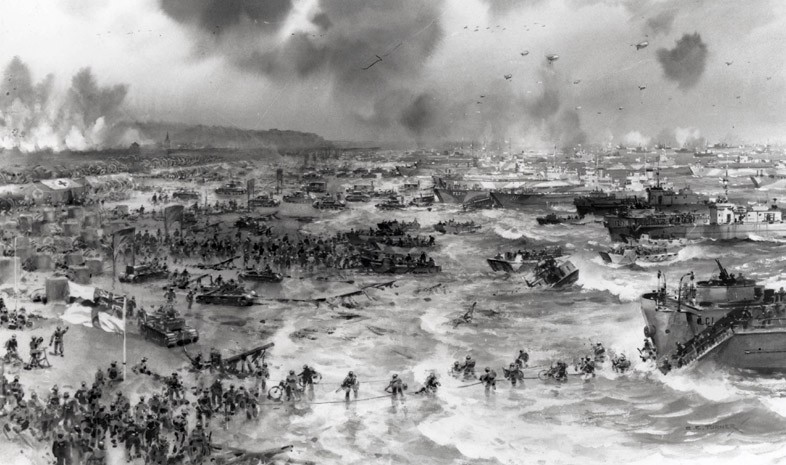
British soldiers launched an amphibious assault on five French beaches on June 6, 1944.
The landings were meant to be on June 5 but the weather delayed the assault.
What does the ‘D’ stand for in D Day?
Some suggest the D means ‘deliverance’, ‘doom’, debarkation’ but in reality it is none of those. The ‘D’ just means the day of the beginning of a military operation, although nowadays ‘D Day’ is only used for the landings in Normandy, according to the D-Day museum.
The name came about because the day before D Day would be referred to as ‘D-1’ and the day after as ‘D+1’ and two days after ‘D+2’ etc.
Hours in military terminology also work the same way with ‘H-Hour’ being used for the landing time.
Where were the D-Day landings?
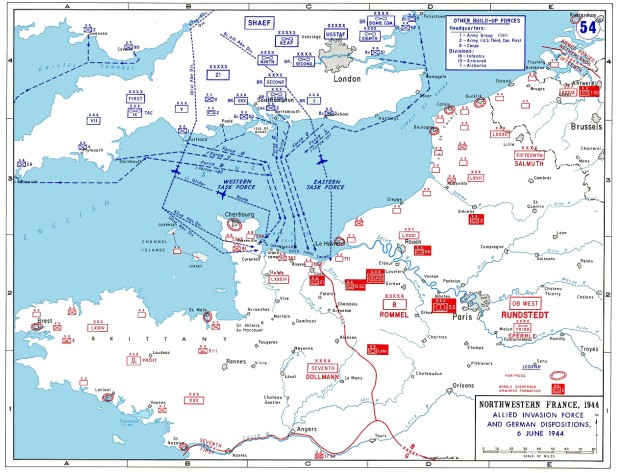
There were five separate beaches in Normandy where allied troops landed. These were codenamed Sword Beach, Juno Beach, Utah Beach, Omaha Beach and Gold Beach.
Utah Beach – around 23,000 Americans landed on Utah, including many airborne soldiers, which was the furthest west of all the beaches.The first wave of troop arrives in a less defended area, which was 2,000 yards south of their intended arrival point.
Omaha Beach – This was the most heavily defended beach of the five, leading to large loss of life and casualties of the American soldiers that landed there. Initial air and naval bombardments didn’t knock out strong defences making it hard work for soldier to clear beach obstacles later. Nevertheless they managed to gain a foothold on the beach by the end of the day.
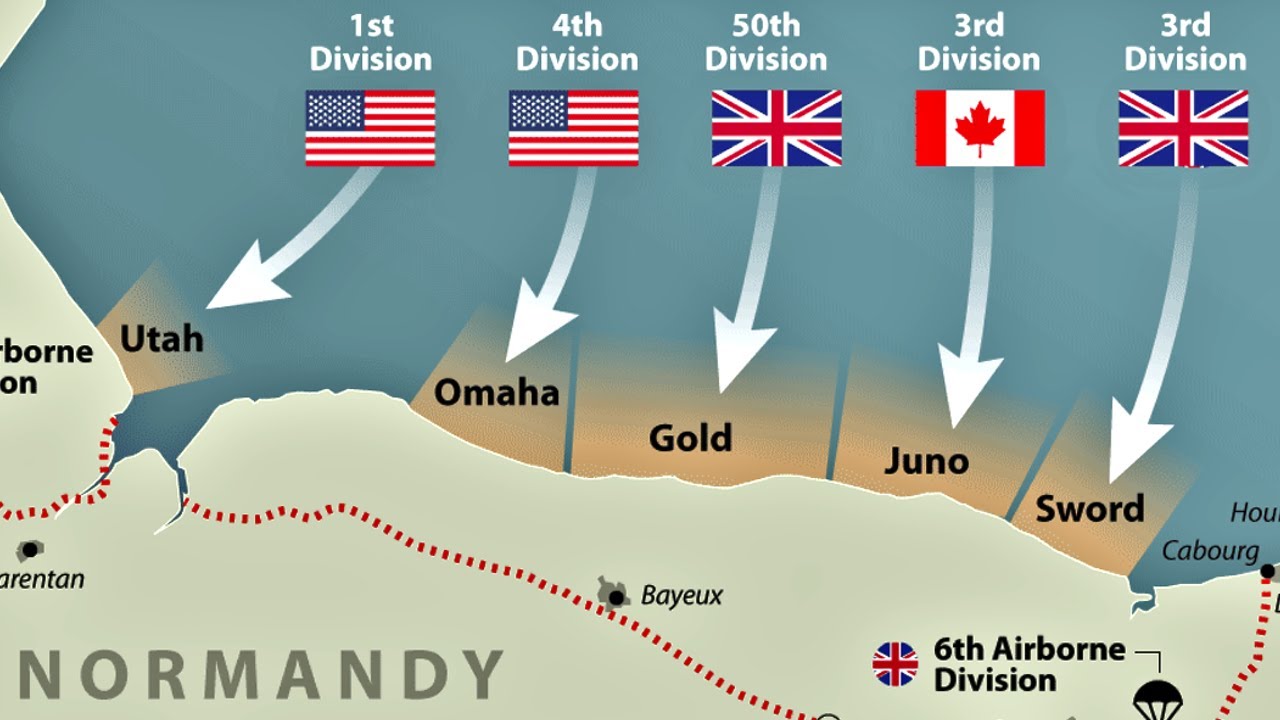
Gold beach – Around 25,000 British soldier landed on Gold Beach on D-Day with the aim of capturing Bayeux and the Caen-Bayeux road to link up with the Americans who had landed at Omaha Beach. The tide had risen more quickly than expected at Gold Beach so many defences underwater were concealed – but luckily initial air and naval bombardments had been successful at combating these meaning Brits were able to advance six miles inland by the end of the day to join Canadians soldiers who had landed at Juno.
Juno Beach – Canadian soldiers landed at Juno to find their delayed landing – caused by rough seas – meant the width of the beach had been significantly reduced. This caused a jam for vehicles and equipment, seriously impeded their advancement. Heavy defences meant the Canadians were unable to join up with British soldiers from sword beach on the first day, but they were able to advance several miles inland and meet with soldiers from Gold Beach.
Sword beach – This was the easternmost beach and was landed by British soldiers. The beach was narrow, which caused delays and congestion and made for a difficult landing and subsequent advancement inland. It failed to take Caen, which had been its key objective and this became a focal point in the battles after D-Day but it wasn’t until July that the city was occupied.
What were the different operations called?
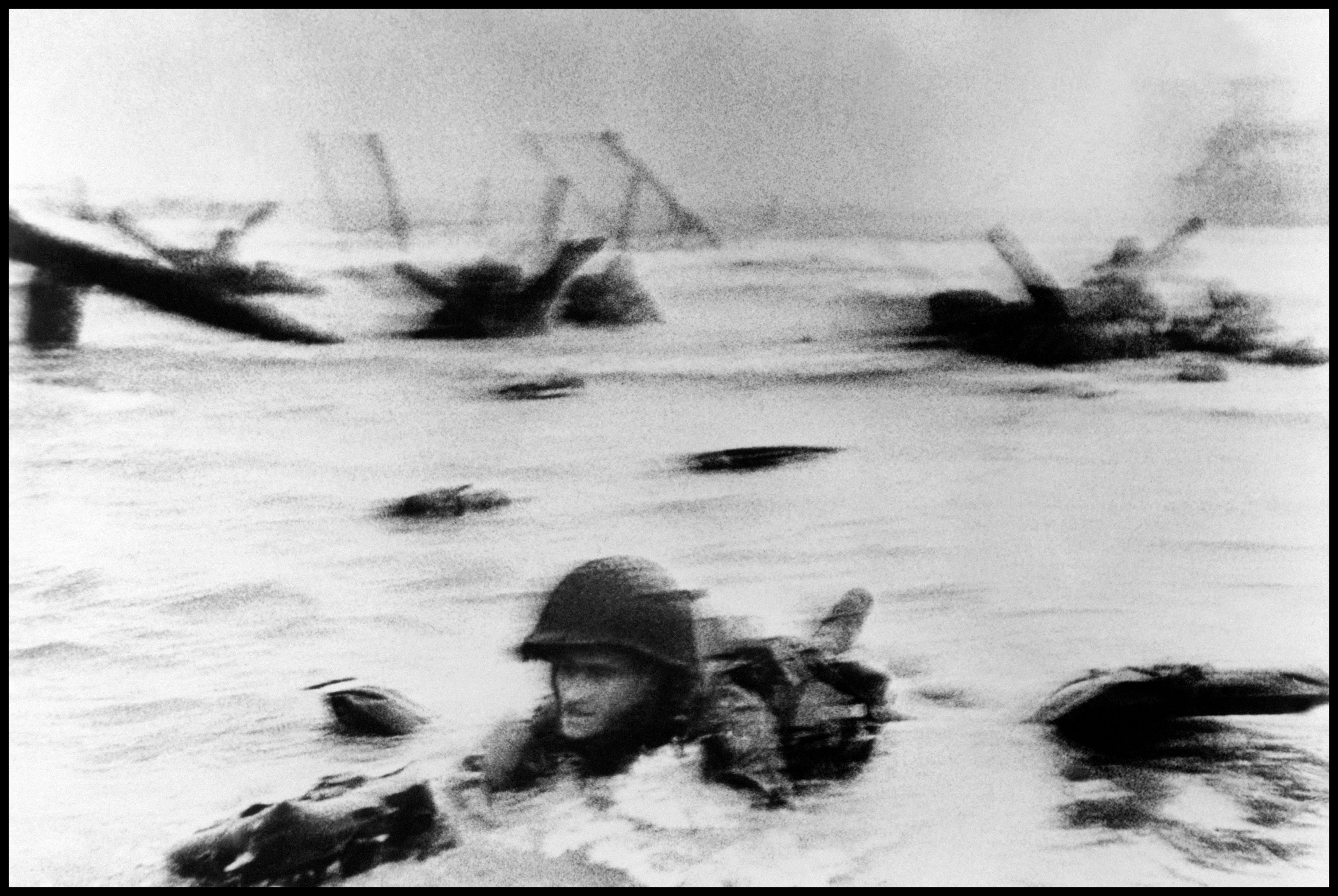
Operation Overlord – this was the code name for the invasion of north west Europe as a whole, according to the D-Day museum. The operation ended when allied forces crossed the Seine River in to Paris on 19 August 1944.
Operation Neptune – this was the assault phase of Operation Overlord aka the Normandy Landings. The operation started on D Day and ended on 30 June 1944.
Battle of Normandy– this was the fighting stage after Operation Neptune, which continued until Paris was liberated on 25 August 1944.
How many soldiers were involved?
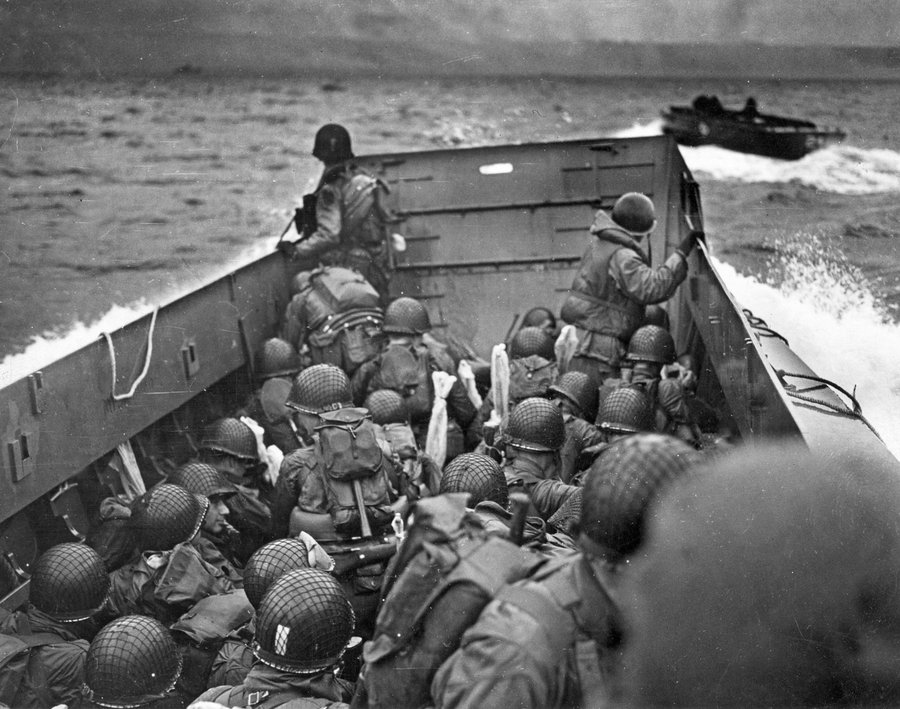
61,715 British, 73,000 American and 21,400 Canadian soldier made up the allied troop, with the Americans and Canadians arriving in Britain before D Day, according to the BBC.
Allied forces also used an airborne assault of 14,674 sorties where 127 were lost.
How many died?
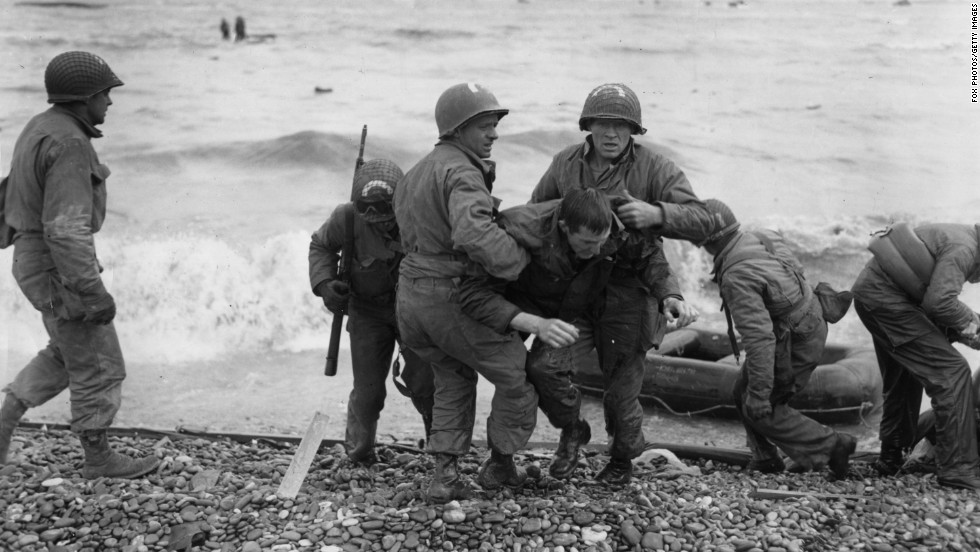
There is no official D Day casualty number, as it is unknown exactly how many died but it is understood that more than 425,000 allied and German soldiers were killed, went missing or were injured.
Among the allies it is believed 209,000 died – nearly 37,000 of them ground troops and 16,714 airborne forces.
German losses can only be estimated but are believed to be around 200,000 killed and wounded. Another 200,000 (not included in the total casualty estimation of 425,000) were captured as prisoners of war.
Ask me anything
Explore related questions




