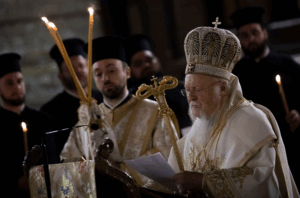
What do red eggs, elaborately decorated candles, braided bread and lamb intestines have in common? They are all major features of Greek Easter! Taking place at different times every year, but usually around April, this completely unique celebration is filled with age-old traditions. While many may associate Easter with chocolate bunnies and egg hunts, Greece offers a culturally rich Easter experience like no other. Think mystical church services and candlelit processions through the streets, lamb roasted on the spit and egg-cracking competitions, sun-drenched dancing to traditional tunes in blooming springtime nature and a real feeling of togetherness.
In this guide, we will unravel Greek Easter traditions, providing you with insider knowledge and essential tips to fully embrace this extraordinary celebration. Join us as we explore the sacred processions, the symbolic rituals, and the mouthwatering feasts that define this traditional time. And as a special bonus, we will reveal four unmissable destinations in Greece where you can experience the true essence of Easter.
During ‘Holy Week’, the week leading up to Easter, daily liturgies relate to the trials of Christ before he was crucified, with Thursday being when the Service of the Holy Passion takes place, and when people prepare for the Resurrection (on Holy Saturday, see below). Eggs are boiled and dyed red, to symbolize the blood of Christ, shed on the cross during His crucifixion, and to be left untouched until after the midnight Resurrection service. It is also a tradition on Holy Thursday to make tsoureki, a brioche-type sweet bread that is usually braided with three pieces of dough, which represent the Holy Trinity, to be eaten from Easter Sunday and on.
Read more at Travel.gr/en
Ask me anything
Explore related questions