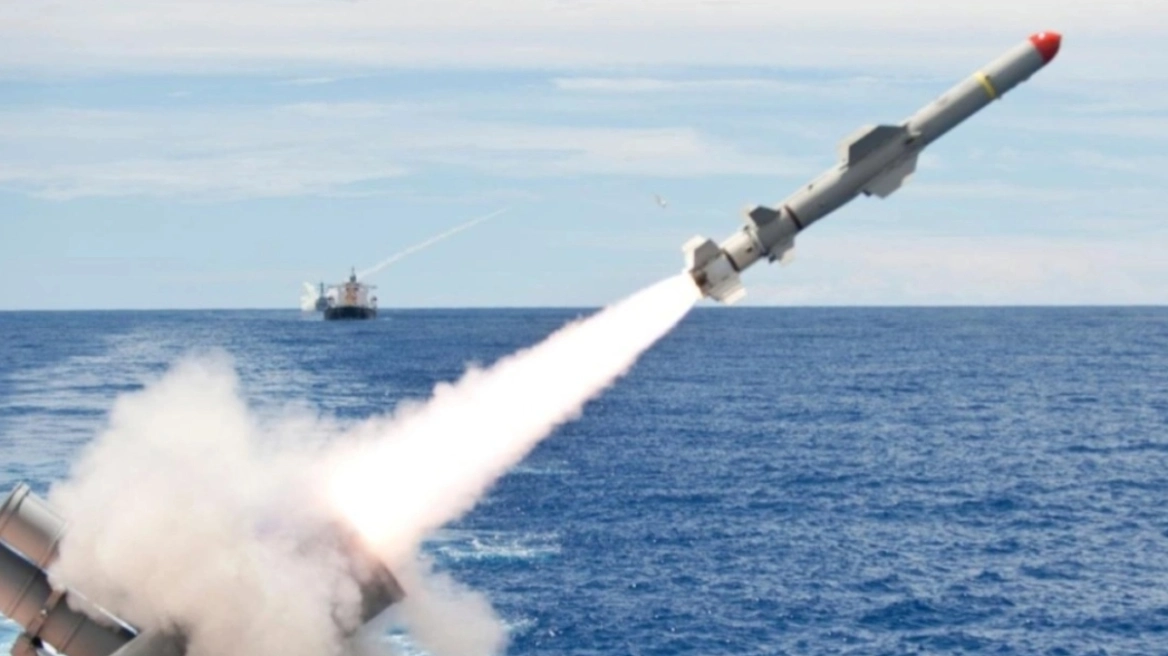
> Straits of Hormuz
> Straits of Hormuz
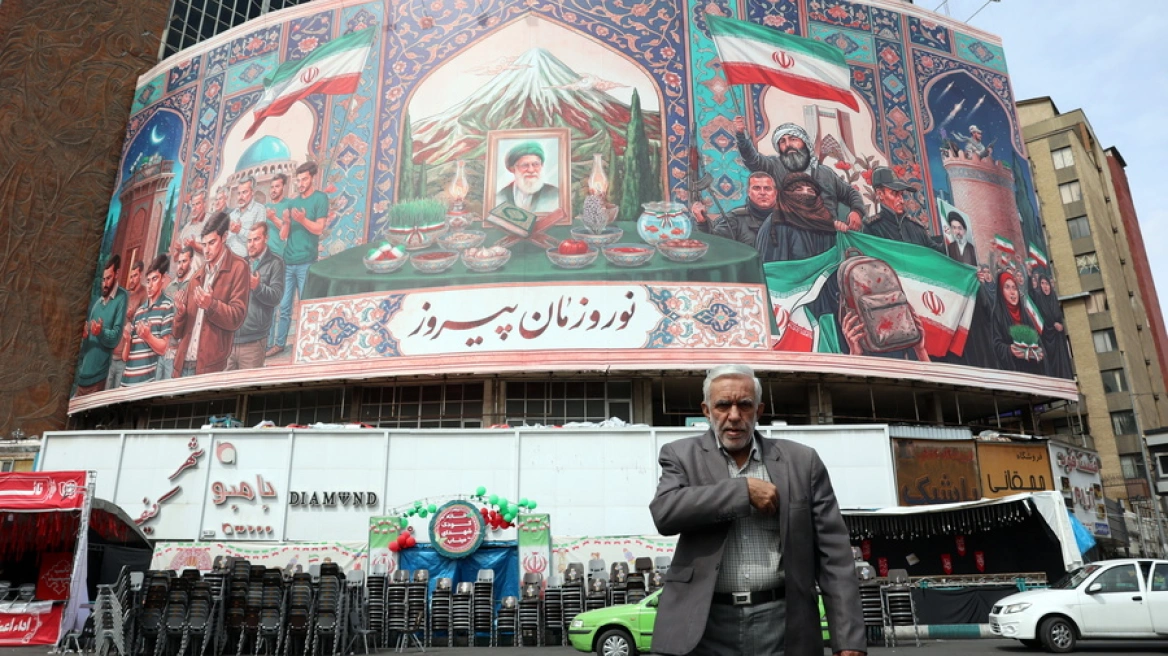
Gradual reopening of the Strait of Hormuz with roles for Pakistan, Oman, and a “freeze” of the nuclear program: What Tehran is requesting in its revised proposal to the US
Sources cited by Al Arabiya report that Tehran is requesting a long-term, multi-phase ceasefire and the transfer of uranium to Russia - Concessions on compensation - Pakistan optimistic about a new round of talks
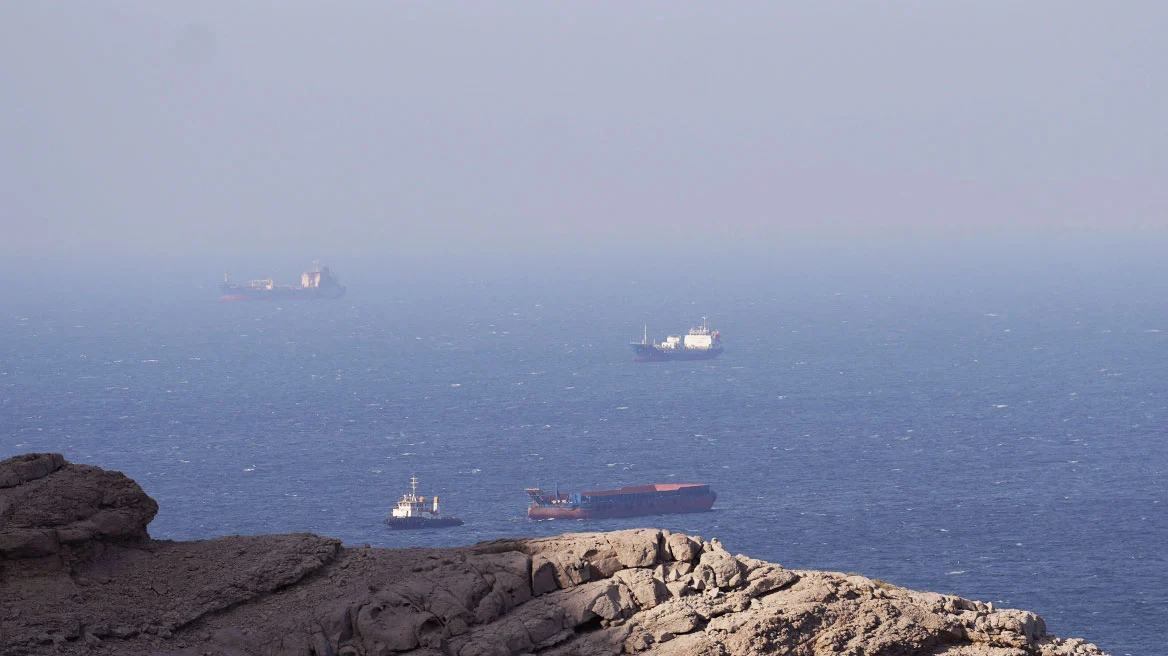
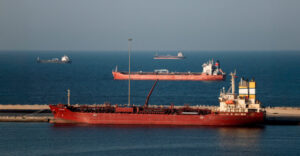
The Straits of Hormuz as a crucial political and diplomatic crossing: How Tehran is building new relations in the Persian Gulf
Two days after the fragile ceasefire, Iran still maintains control over the Straits, giving priority to certain countries - Mines, the debate on transit fees and Trump's "ball" to Europe
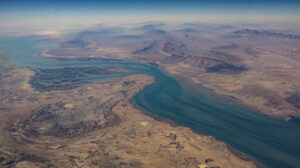
France calls for China’s involvement in reopening the Strait of Hormuz
Beijing will likely need to become more involved in the talks and show its impatience over the continued closure of the Strait of Hormuz, said the Chief of the French Navy, Nicolas Vaujour
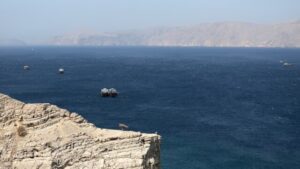
One month of war, four scenarios for the next day, the facts and the entry into a dangerous phase
The most likely development is a prolonged unstable situation. Neither side has achieved a decisive military victory. Tehran’s goal is to maintain uncertainty. Disagreements between the US and Israel regarding objectives and strategy. Netanyahu is determined to take it to the end. Internal pressures exist in both camps
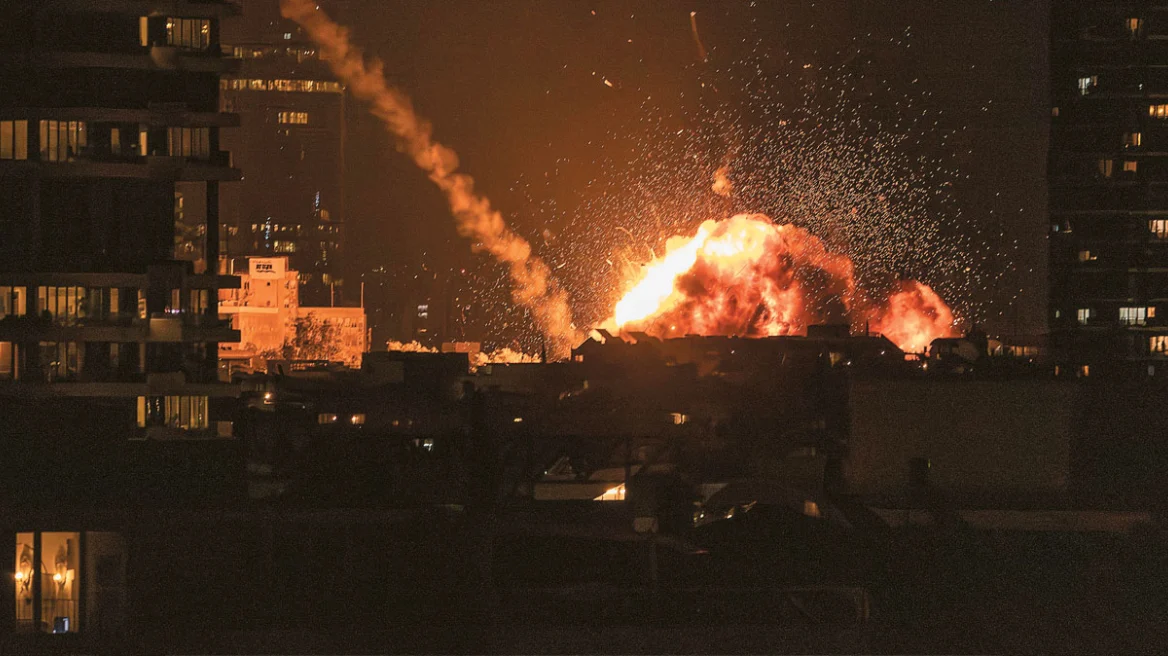
Why the Houthis entered the war now: A message to the US not to proceed in the Red Sea and Hormuz
Houthis and Iran are creating a “ring of fire” stretching for thousands of kilometers in the Gulf – Concerns also over Saudi Arabia’s key East-West pipeline, through which up to 7 million barrels per day now pass