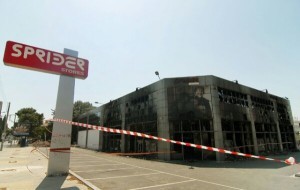
Greece applied for European Globalisation Fund (EGF) aid when fashion retail company Sprider Stores, hit by the financial and economic crisis, made redundant 761 workers in Central Macedonia and the Attica region. Retail sales were hit by rising unemployment and a drastic reduction in loans to the private sector, due to the general austerity measures. The Greek economy has been in deep recession for the sixth consecutive year, with GDP down by a quarter and private consumption down by a third.
The Council is to vote on this application on November 10, followed by European Parliament as a whole at its second plenary session in November 24-27.
What is the European Globalisation Adjustment Fund? The European Globalisation Adjustment Fund was set up to provide additional support for workers made redundant as a result of major structural changes in world trade patterns due to globalisation or the financial crisis and to help them find new jobs. Between 2014 and 2020, the annual ceiling of the fund is €150 million. Redundant workers are offered measures such as support for business start-ups, job-search assistance, occupational guidance and various kinds of training. In most cases, national authorities have already started taking measures and have their costs reimbursed by the EU when their applications are finally approved.
Ask me anything
Explore related questions