





UNHCR released a report on the current situation of asylum in Greece. The report commended Greece for reforms it has undertaken during a period of economic difficulties and limited resources, but it also points to multiple gaps and concerns and carries a recommendation that asylum-seekers should still not be returned there.
The report is based on an assessment done during the last quarter of 2014. Last year, Greece was among countries of the Mediterranean that saw a dramatic increase in refugee and migrant arrivals by sea. In all, around 43,500 people arrived there via sea crossings, a 280% increase from 2013. About 60 per cent were from Syria, but there were also substantial numbers of Afghans, Somalis and Eritreans. Many move on to other EU states.
The report’s recommendation that asylum-seekers should not be returned to Greece extends the advice first made in 2008. As well as applying to returns done bilaterally between countries, the recommendation also applies to transfers done under the European Union’s Dublin regulation – which determines the country in which an asylum claim is processed.
The main problems of Greece’s asylum system include difficulties in accessing the asylum procedure, a continuing backlog of unresolved cases under the old procedure, risk of arbitrary detention, inadequate reception conditions, lack of identification and support for individuals with specific needs, push-backs of people at the border, concerns over integration prospects and support for refugees, and xenophobia and racist violence.
Access to asylum remains challenging in part due to a lack of regional Asylum Service offices for processing claims and a shortage of Asylum Service staff. An individual who wants to seek asylum and is unable to register or fails to register promptly may be at risk of return and, potentially, refoulement – meaning being sent to a country where his or her life or liberty could be in danger.
Despite the efforts of the authorities to process a backlog of some 37,000 appeals under the old procedure, the backlog remains. People wishing to apply for asylum can be detained without an individual assessment or without alternatives to detention being considered. Others applying while in detention remain there until their asylum application is registered, which can take months.
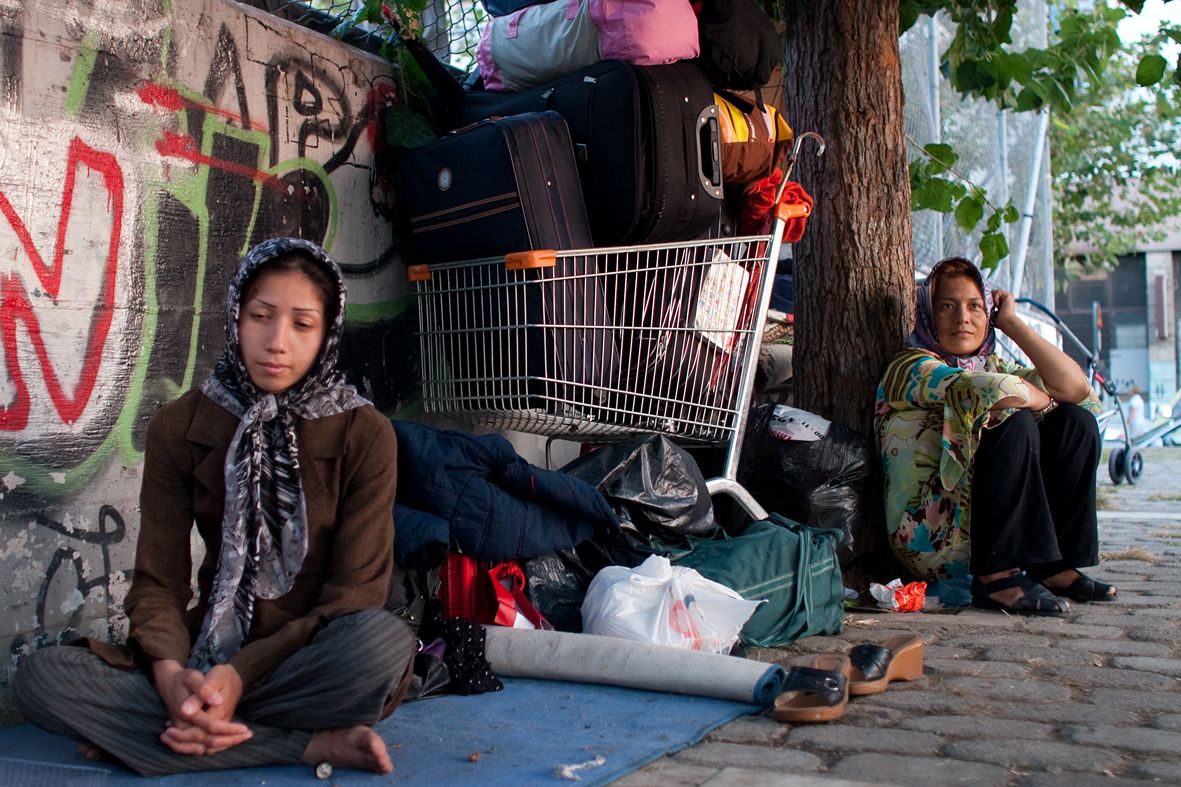
Accommodation for asylum-seekers is scarce and services insufficient. This is of particular concern for vulnerable individuals, such as unaccompanied and separated children and single women. While national legislation stipulates that special consideration and priority should be given to the identification, assistance, and protection of these groups, this has been difficult in practice. NGOs managing the existing reception centres for asylum-seekers and unaccompanied children are underfunded and there is a real risk of services being discontinued.
UNHCR is also concerned by reports of border practices that might place refugees and migrants at greater risk. We continue to document accounts of informal returns (“push-backs”) at the Greek-Turkish land and sea borders. Tightened control measures that have been in place since 2010 have resulted in decreased numbers of people trying to enter through the Greek-Turkish land border, while entries by sea have increased.
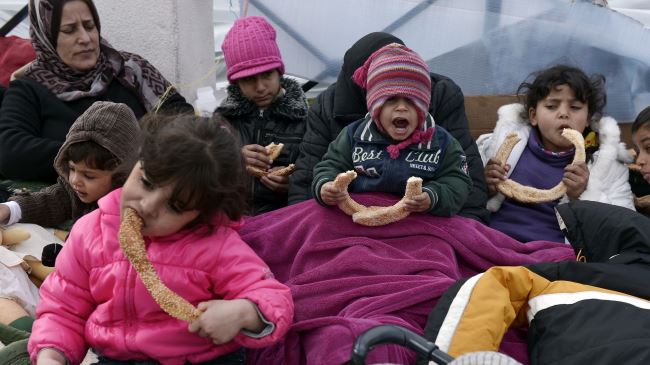
Integration prospects and related support for refugees are practically non-existent. Many are marginalised or excluded in the absence of concrete integration measures. In addition, refugees face considerable difficulties with family unification, a right that is denied altogether to those provided with subsidiary protection. Finding accommodation is particularly difficult. There are no specific facilities for social housing or any alternative forms of support. Moreover, there is no targeted national strategy to promote employment of refugees, and, as a result, many face destitution.
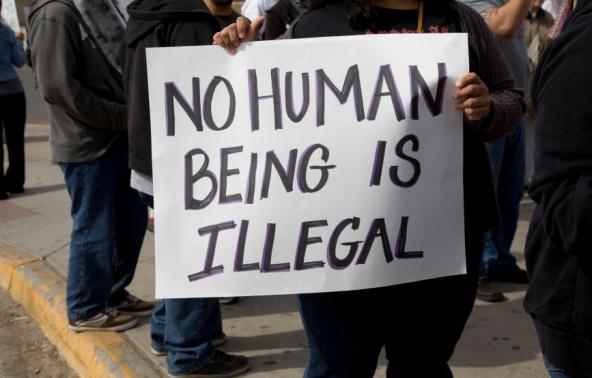
Protection and integration is further impeded by xenophobia and racist violence against migrants and refugees. For example, the Racist Violence Recording Network (RVRN), an umbrella network of civil society organizations supported by UNHCR, recorded 65 incidents in the first nine months of 2014, involving physical attacks in public places against migrants and refugees because of the colour of their skin and ethnicity. The actual number of incidents is likely to be much higher, as only a small fraction of them are reported. While the Greek authorities have adopted a series of reforms and actions to record, prosecute and prevent such crimes more effectively, people continue to be subject to verbal and physical abuse that remains unaddressed.
UNHCR is ready to continue working with the Greek authorities to address these challenges and encourages EU Member states and institutions to continue to extend their support to Greece.
Ask me anything
Explore related questions




