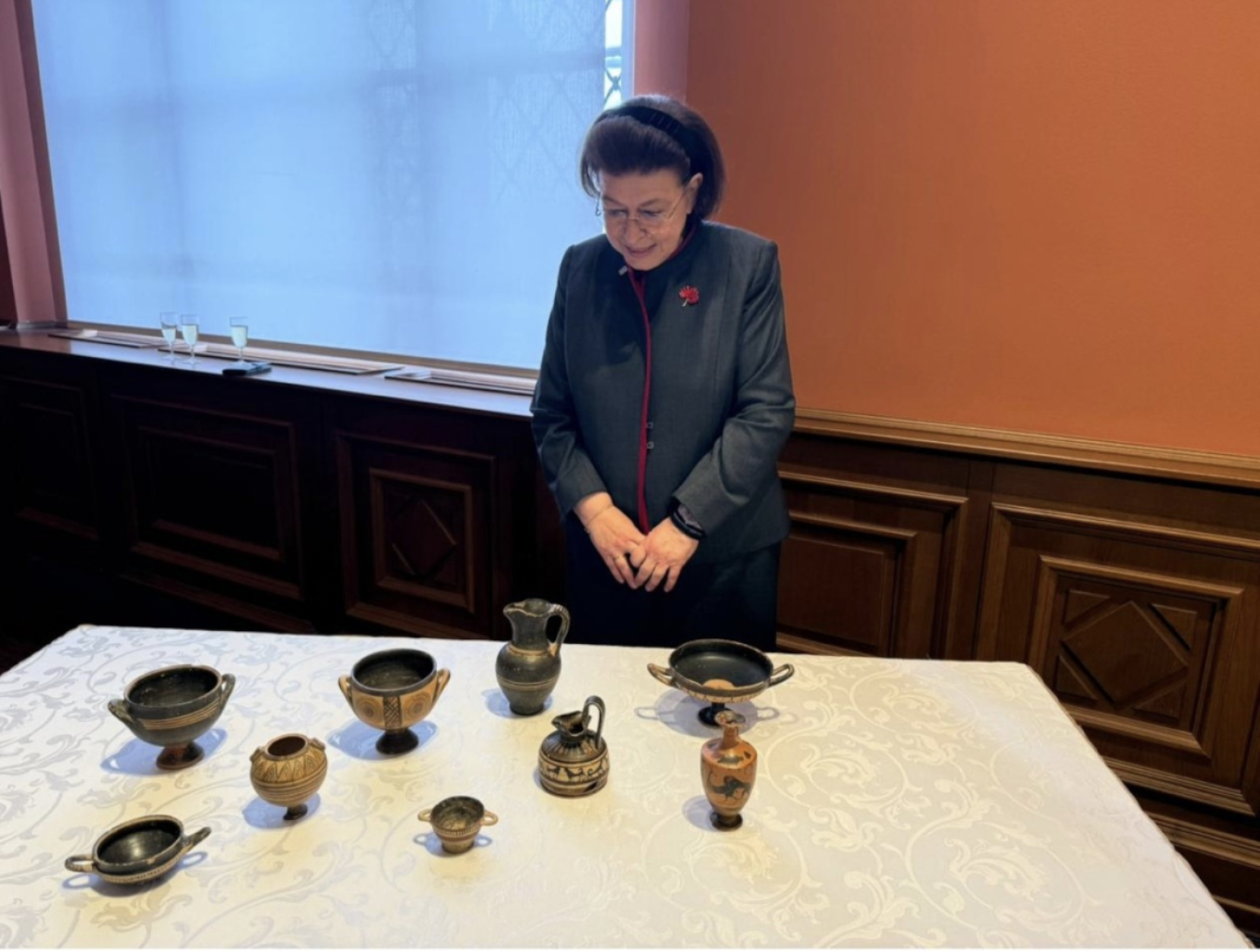


Traditional Greek cuisine… A total based on the pure products from Greek Mother Nature to form a balanced nutritional model that can ensure a better quality of life and physical health. Products with unique quality and unsurpassable nutritional value, such as the olive and extra virgin oil, dairy products, honey, ouzo, fish, juices, water, nuts, wines, mastic from Chios, crocus from Kozani and many more. These have blended together and created a noble cuisine rich in nutritional ingredients, which can satisfy the high gustatory and nutritional needs of modern man.
Some of the highly regarded traditional Greek products are:
Olive oil
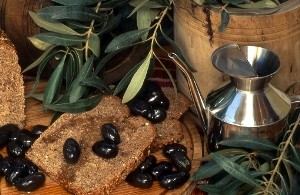
As the basis of every recipe found in traditional cuisine, olive oil plays a dominant role in Greek nutritional habits. Greek olive oil is known worldwide for its purity, exceptional taste and high nutritional value. You will find it everywhere – in glass or plastic containers with the words “virgin” and “extra virgin” printed on them.
Cheese
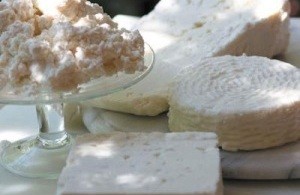
You will find unique cheeses of exceptional quality in the market, and you should make the effort to try these cheeses, such as kaseri, graviera, kefalotiri, myzithra and metsovone. These cheeses vary according to their origin, taste and name. Some of these cheeses are found throughout the country, while others are locally produced for local consumption. The most famous is of course Greek feta cheese. This is a white semi-soft, heavily salted cheese which is the basic ingredient for the Greek or Horiatiko salad, but it is also used in many other recipes.
Wine

Greece is not only the birthplace of Dionysus (god of wine), but also the birthplace of wine making. This wine came from the islands of Chios and Thassos and was famous throughout the Ancient world. Historical and social reasons, as well as various natural disasters, were the main reasons why the art of wine making was neglected from the middle of the 19th century up to the beginning of the 60’s. Greek wines are produced from various varieties of grapes, many of which are unknown to Western wine lovers.
The four basic distinctive categories are: the “controlled appellations of origin” (CAO), the “appellations of origin of superior quality” (AOSQ), “local wine” and “table wine”. The “controlled appellations of origin” category includes only sweet wines such as Mavrodaphne from Kefalonia and Patras, Moschato from Patras, Limnos, Kefalonia, Rhodes and Gliko from Samos. The category of the “appellations of origin of superior quality” includes many of the best wines of Greece. To date, there are 20 regions that have A.O.C. rights In Northern Greece there are Zitsa, Amyntaeo, Goumenitsa and Naoussa wines. In Chalkidiki the Plagies Melitona wine and in Thessaly the Agchialos and Rapsani wines. Near Athens is the Kantzas wine, while the Peloponnese has Patras, Mantinia and Nemea wines. The Ionian islands have Robola Kefalonias wine, while on the islands of Paros, Limnos, Rhodes and Santorini we have Paros, Limnos, Rhodes and Santorini wines. Finally, on Crete the brand-names include Archanes, Peza, Siteia and Daphnes wines.
Oyzo

The world famous Greek aperitif, with the best from Lesbos and from Chios. It is produced from distilled alcohol, water and aromatic ingredients, with aniseed prevailing. It is drunk neat or with added water or ice, and is the perfect accompaniment for mezedes (appetizers).
Honey
Greek honey is famous for its high quality, aroma and outstanding taste. Its many variations in taste and aroma is due to the rich Greek flora. The flower-honey is well-known and high-selling, produced from the nectar of mainly citrus and other fruit, thyme with its incomparable aroma, and pine honey produced in the highland regions from conifer trees.
Mastic
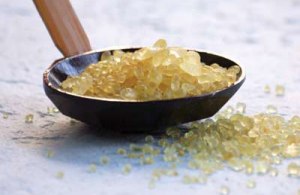
A product that is unique in the world, as it is grown exclusively on the Aegean island of Chios. It is produced from the resin of the mastic trees (Pistacia lentiscus) and can be consumed untreated without chemical or industrial processing. The father of medicine, Hippocrates, had noted the many therapeutic properties of mastic, especially for stomach disorders. These properties have been adopted by modern medicine.
Kozani Crocus
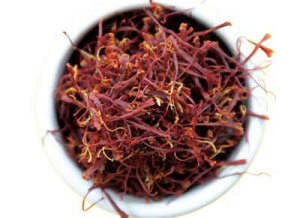
The Crocus, the “gold from Greek soil” as it is called, is included among the most precious and valuable spices from ancient civilizations, for its aromatic, colour, pharmaceutical and aphrodisiac properties. Cleopatra used it in her cosmetics, the Ancient Phoenicians in their offerings to the goddess Asparte, Homer referred to it in his writings, while we even come across it in the Old Testament. Its history in modern Greece began when Kozanite traders transported it to Austria in the 17th C. For three hundred years now the Crocus has been cultivated and grown under the Macedonian sun, in a area that encompasses many small villages in the Kozani Prefecture. The residents of the region plant the Crocus every summer, and when autumn arrives, they remove the most one stigma of the beautiful flower by hand and desiccate it carefully until they have a slender deep red strand. Around 50,000 stigmas are needed to produce 100 gr red crocuses. The Crocus, or Greek saffron as it is usually called, belongs to the best-quality saffron in the world and is also called the “flower of Mediterranean cuisine”.
Sweet Preserves (spoon sweets)
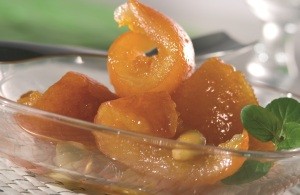
Linked to the sweet welcome of a visitor, it is the foremost traditional treat in Greek homes. When served, it usually fills a teaspoon, hence its name. The majority of these sweets are prepared during the season when each fruit ripens: wild cherries, grapes, figs, apricots, berries, plums, quinces, bergamots and citrons, with each ripening one after the after from the beginning of summer up to the end of autumn. However, there are variations to these sweets, which are prepared from fruit or seeds that have not yet ripened (e.g. pistachios, walnuts, bitter figs), while there are also spoon sweets with various vegetables as the raw materials (small tomatoes or small eggplants). Not only are these raw materials used in spoon sweets, they are also great as jams, marmalades or preserved (stewed) fruits.
Traditional liquors
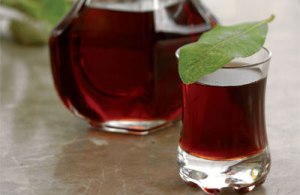
Local liquors cannot but be included among the protagonists in Greek gustations or tastes. Products such as roses, cranberries, plums, mint, mastic, walnuts and many more “lend” their aromas and their tastes to alcohol with exciting results. The most well-known is the mastic from Chios, from the renowned mastic tree which grows only on the southern side of the island; the citron from Naxos; the koum kouat, or as it is called, the “golden orange”; the aromatic Tentouro from Patras, made from distilled cinnamon; and clove, which according to tradition dates back to the 15th C. It was known previously as “moschovolithra”, due to its strong aroma, and is drunk as a digestive drink after a heavy meal.
Source: visitgreece.gr
Ask me anything
Explore related questions