





In the wild uproar around an experiment in China that claimed to have created twin girls whose genes were altered to protect them from HIV, there’s something worth knowing—research to improve the next generation of humans is happening in the US, too.
In fact, it’s about to happen at Harvard University.
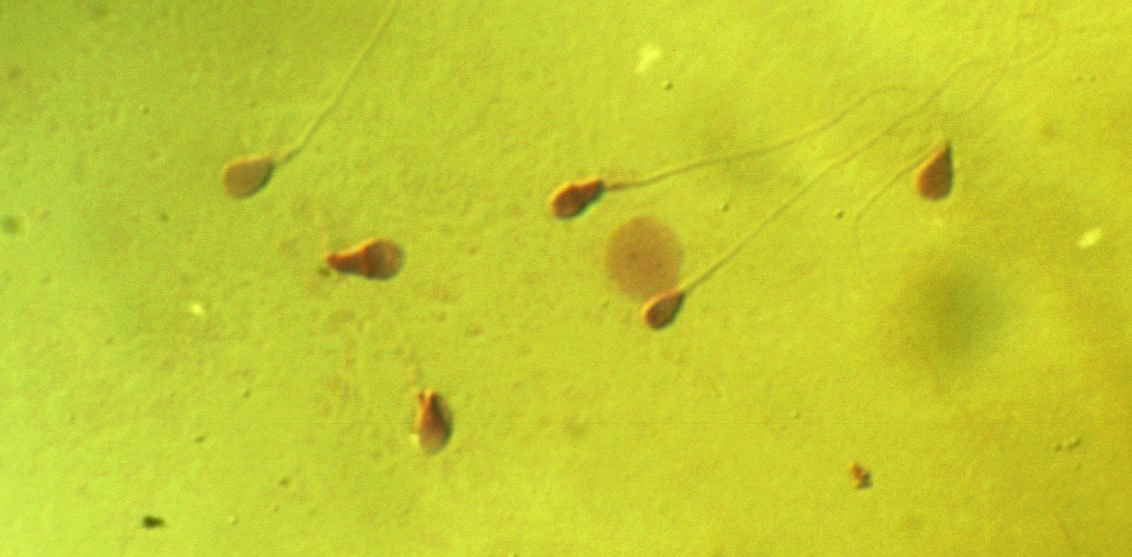
At the school’s Stem Cell Institute, IVF doctor and scientist Werner Neuhausser says he plans to begin using CRISPR, the gene-editing tool, to change the DNA code inside sperm cells. The objective: to show whether it is possible to create IVF babies with a greatly reduced risk of Alzheimer’s disease later in life.
To be clear, there are no embryos involved—no attempt to make a baby. Not yet. Instead, the researchers are practicing how to change the DNA in sperm collected from Boston IVF, a large national fertility-clinic network. This is still very basic, and unpublished, research.
Yet in its purpose the project is similar to the work undertaken in China and raises the same fundamental question: does society want children with genes tailored to prevent disease?
Since Sunday, when the CRISPR babies claims was made public, medical bodies and experts have ferociously condemned He Jiankui, the Chinese scientist responsible. There is evidence his experiments—now halted—were carried forward in an unethical, deceptive manner that may have endangered the children he created. China’s vice minister of science and technology, Xu Nanping, said the effort “crossed the line of morality and ethics and was shocking and unacceptable.”
Amid the condemnation, though, it was easy to lose track of what the key experts were saying. Technology to alter heredity is for real. It is improving very quickly, it has features that will make it safe, and much wider exploratory use to create children could be justified soon.
That was the message delivered at a gene-editing summit in Hong Kong on Wednesday, November 28, by Harvard Medical School dean George Daley, just ahead of He’s own dramatic appearance on the stage (see video starting at 1:15:30).
Astounding some listeners, the Harvard doctor and stem-cell researcher didn’t condemn He but instead characterized the Chinese actions as a wrong turn on the right path (see video). “The fact that it is possible that the first instance of human germ-line editing came forward as a misstep should in no way lead us to stick our heads in the sand,” Daley said. “It’s time to … start outlining what an actual pathway for clinical translation would be.”
By germ-line editing, Daley means editing sperm, eggs, or embryos—anything that, if you alter its DNA, could convey the change to future generations. While other voices demanded a ban on germ-line editing, Daley and the other members of the summit’s leadership defended it. Their final statement said medicine’s daring and troubled project to modify humans in an IVF dish should move forward.
“It’s absolutely clear this is a transformative scientific technology with the power for great medical use.” Daley said.
Read more HERE
Ask me anything
Explore related questions




