

×
GreekEnglish

×
  • Politics
  • Diaspora
  • World
  • Lifestyle
  • Travel
  • Culture
  • Sports
  • Cooking
Wednesday
06
May 2026
weather symbol
Athens 24°C
  • Home
  • Politics
  • Economy
  • World
  • Diaspora
  • Lifestyle
  • Travel
  • Culture
  • Sports
  • Mediterranean Cooking
  • Weather
Contact follow Protothema:
Powered by Cloudevo
> Culture

Hair-raising Medieval curses that protected books from plunder

The curses, addressed to potential thieves, almost always promised the most dreadful way to die if you stole a book

Newsroom February 11 11:11

Δείτε περισσότερα άρθρα μας στα αποτελέσματα αναζήτησης

Add Protothema.gr on Google

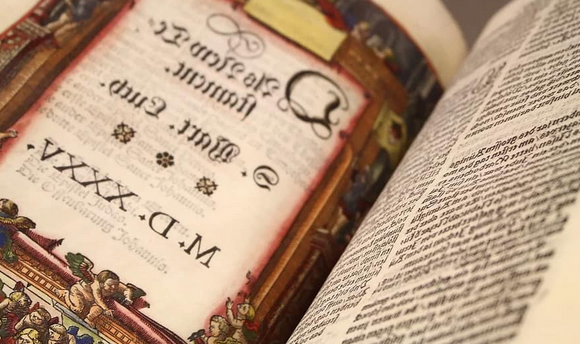
Centuries ago, especially before the advent of printing, producing just one copy of a book was painstaking. The process required a tremendous amount of time, a lot of patience, and superb attention to detail. The meticulous work was done by scribes manually. The longer the book, the more months it took to have a book completed, if not years.

To finish the book sometimes came at the cost of the scribe’s health. Their sight would begin to fail, their body to ache and hurt from sitting.

Perhaps surprisingly to the modern day reader, at the end of the book, medieval scribes would pen something like this:

“Hanging will do
For him who steals you”

Or, something more elaborate:

“If anyone takes away this book, let him die the death; let him be fried in a pan; let the falling sickness and fever seize him; let him be broken on the wheel, and hanged. Amen.”

See Also:

“Medea” cold front to bring snow in Greece on Saturday

>Related articles

Russia violated the ceasefire; nothing binds us anymore, says Zelensky ahead of the major Moscow parade

“Relief” for global bonds amid optimism over a US–Iran peace deal

Oil: 9% plunge after Axios report that US and Iran are nearing an agreement

Turkey plans to reach the moon in 2023, Erdogan says

The first two lines can be found in a book dated to the year 1461. The second and longer junction, taken from the end of a Bible copy with German provenance, was scribed around the year 1172. Both exemplify medieval book curses, inserted by the copyist to assure that the product of their hard work will not go in vain. That it will not end up in the hands of thieves.

Read more: The Vintage News

Ask me anything

Explore related questions

#book#culture#curses#history#magic#thieves#world
> More Culture

Follow en.protothema.gr on Google News and be the first to know all the news

See all the latest News from Greece and the World, the moment they happen, at en.protothema.gr

> Latest Stories

The American aircraft carrier USS Gerald R. Ford has left the Mediterranean

May 6, 2026

European Public Prosecutor’s Office blunder in the OPEKEPE case: sent summonses for felonies to MPs who are actually being investigated for misdemeanours

May 6, 2026

Thriller over the whale “Timmy”: Experts fear it has died despite €1.5 million rescue operation

May 6, 2026

Four theft cases were solved in Rhodes, with the perpetrators identified as two minors aged 12 and 14

May 6, 2026

The European Commission’s plan to combat poverty, focusing on the housing crisis

May 6, 2026

“The third time I won’t make it”: Nikitas’ premonition about repeated failed murder attempts by the 54-year-old, what the 21-year-old’s sister says

May 6, 2026

Russia violated the ceasefire; nothing binds us anymore, says Zelensky ahead of the major Moscow parade

May 6, 2026

Legal victory for Greek debt in London: Greece vindicated in €62bn GDP warrants case and buyback upheld

May 6, 2026
All News

> Greece

In reverence, the emotional deposition in Jerusalem, see photos & video

The Holy Temple of the Resurrection opened after many days due to the war between Israel and Iran

April 10, 2026

In the final stretch for the accreditation of joint master’s degrees: Aiming for their launch in the coming academic year

April 10, 2026

Schedule for Epitaph Procession today (10/4)

April 10, 2026

Perfect weather for Easter excursions, according to Tsatrafyllia’s forecast

April 10, 2026

Easter in Greece: The customs that continue in Greek tradition – From Nafpaktos to Corfu

April 10, 2026
Homepage
PERSONAL DATA PROTECTION POLICY COOKIES POLICY TERM OF USE
Powered by Cloudevo
Copyright © 2026 Πρώτο Θέμα



