





Speaking to ERT, archaeologist and Byzantine scholar Anastasia Koumousi described the unique portrait of the last emperor of Byzantium, Constantine XI Palaiologos, as a find of national significance that has drawn global attention. The portrait was discovered during restoration work at the Old Monastery of Taxiarches in Aigialeia.
“This is not just an ordinary find. It surpasses archaeological successes—it is of national importance to us. It is the last emperor of Byzantium depicted within a monumental and unique painted ensemble,” she said. She further added: “Let’s not forget, this follows the Pantanassa. This painter, who came from Mystras and knew him—I’m certain of it—captured him so successfully because he was replicating the Pantanassa of Mystras.”
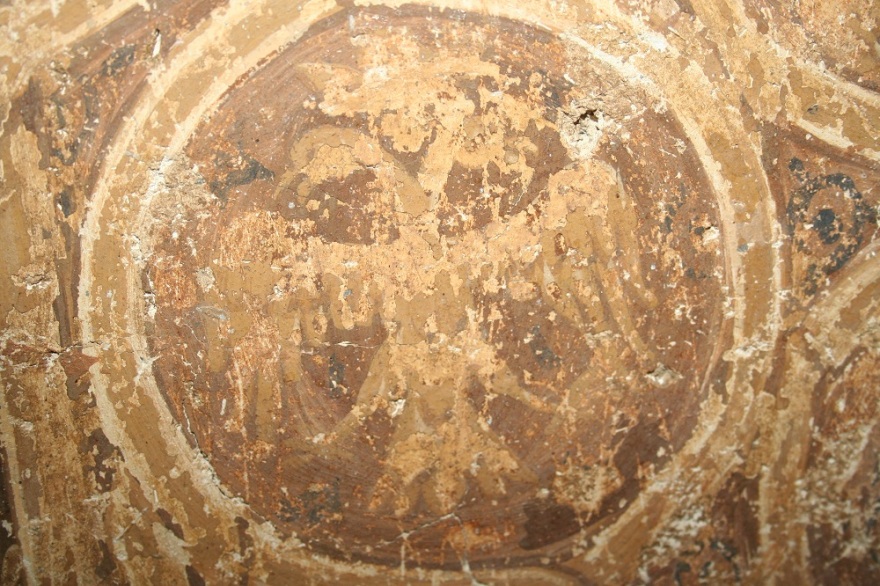
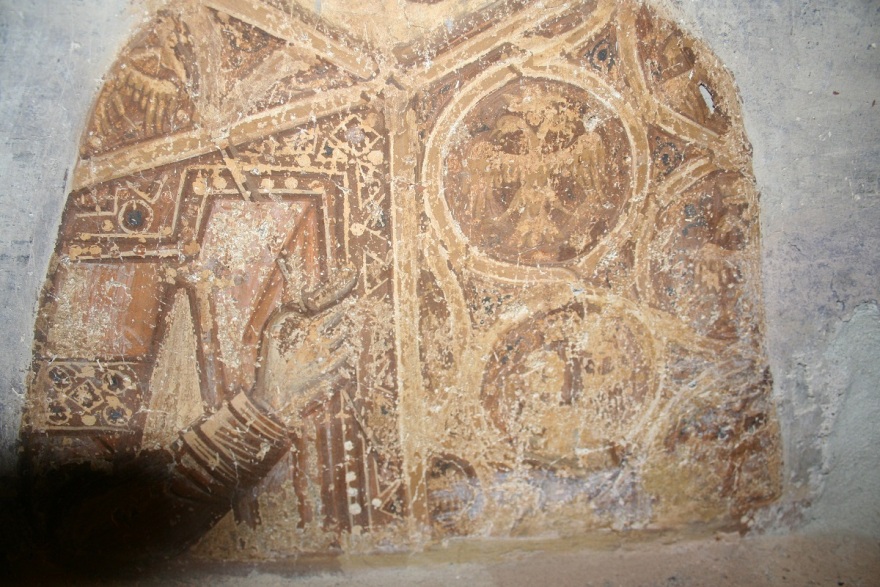
Ms. Koumousi described the moment when she discovered the important portrait, which was recently highlighted by the Minister of Culture, Lina Mendoni. “We were working with conservators at the old monastery of Taxiarches… At one point, from below—because it is a mural located about five meters high—I noticed the double-headed eagles. I climbed up the scaffold, and then I saw him. I saw him from just 30 centimeters away.”
With her 40 years of experience as an archaeologist and her knowledge of the historical context, it did not take her long to realize that this was not a religious icon but “an earthly figure,” a portrait.
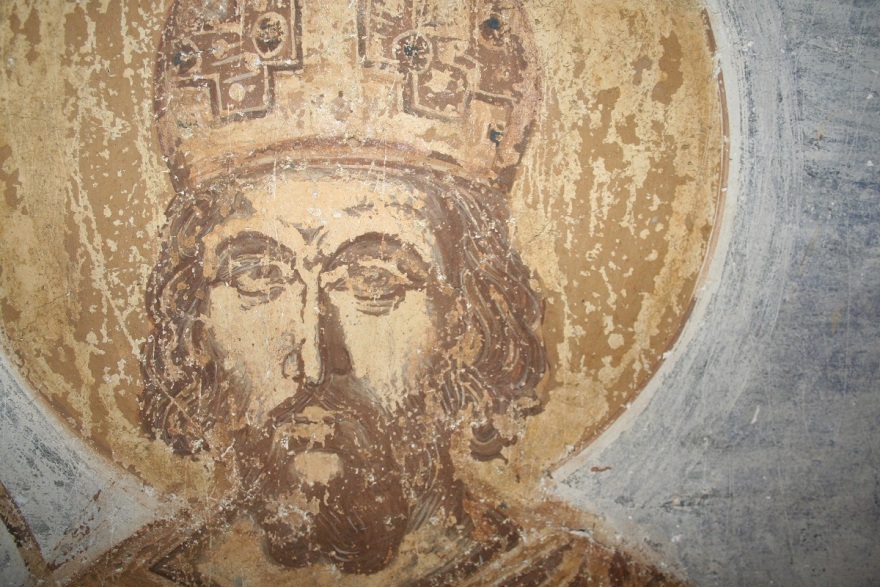
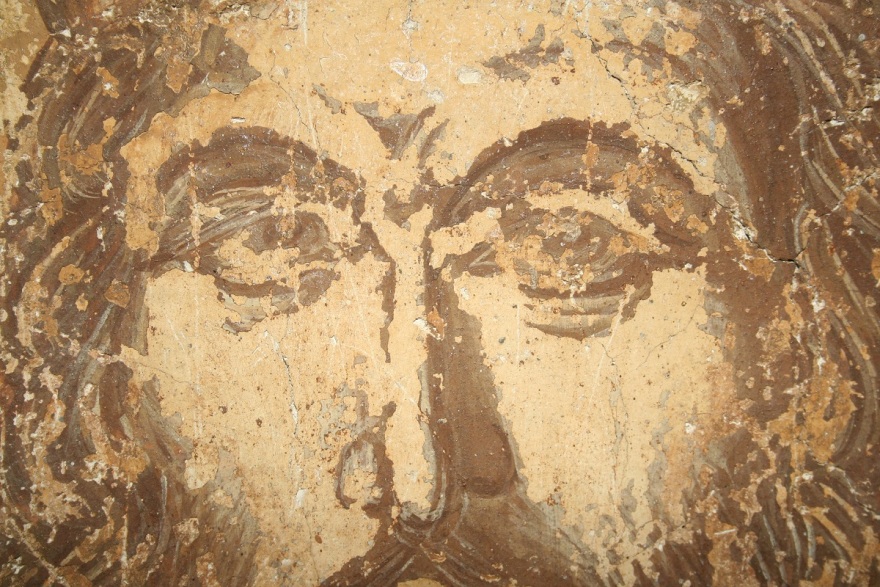
“I kept looking at him, looking at him, and I knew who I was looking at. I knew what had been found at that moment—a five-meter-high mural that had been burned repeatedly. That’s why the colors are washed out. But his beauty, his calmness, his gaze…” she said. She also noted that “for an archaeologist, the moment of such a discovery is a profoundly moving experience.”
Referring to Constantine Palaiologos’s connection to the Old Monastery of Taxiarches, she explained that his brothers, Thomas and Demetrios, the despots of Mystras, were its renovators. “They were the donors of the monastery, which is why he is there—because they placed him to signify dynastic continuity. He was a childless emperor. These were two brothers who would soon compete for power, even if their fate was already sealed. And that’s why they placed him there, across from them, in a very significant position, to demonstrate dynastic continuity and equal legitimacy to the throne. That is his connection to the monastery, through his brothers.”
The discovery of the mural in the Catholicon of the Old Monastery of Taxiarches in Aigialeia, located just 15 kilometers from Aigio, was made public in recent days. According to the Ministry of Culture’s announcement, the mural depicts the figure of a mature man wearing imperial insignia (a luxurious loros over a light-colored sakkos, a gem-studded crown) and holding a scepter adorned with a cross. His gold-embroidered purple mantle is decorated with medallions that feature double-headed eagles with a crown between their heads, a distinctive emblem of the Palaiologos dynasty. The presence of the double-headed eagles on his garment, combined with the other insignia, served as a visual message that allowed viewers to unmistakably identify the man as an emperor.
Ask me anything
Explore related questions




