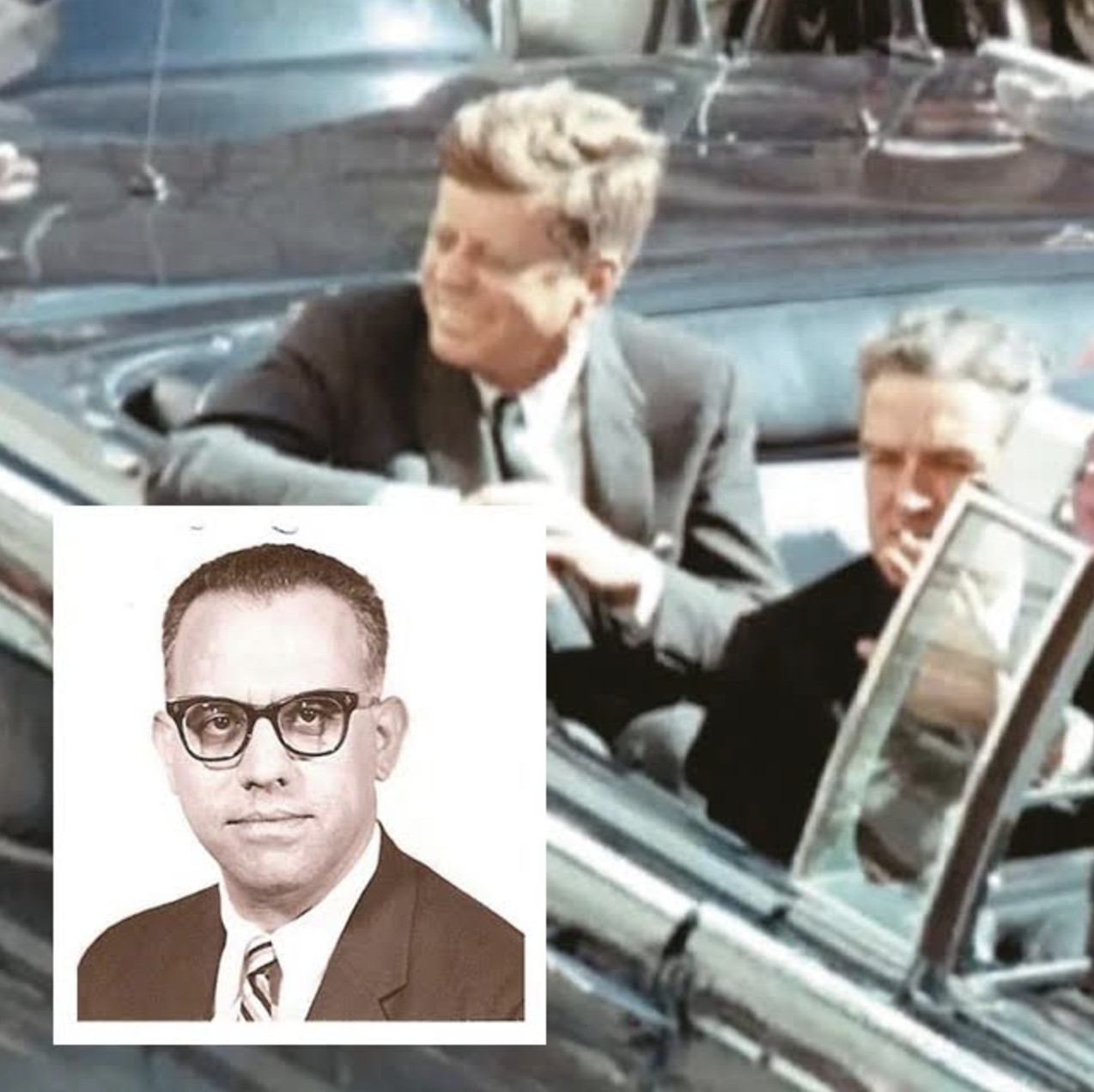
It’s the summer of 1963 and in New Orleans heat and humidity dominate the atmosphere, a fact easily noted by the 40-something gentleman with myopic glasses as he steps out of the airport building.
He had flown in from Miami to meet someone and, like all CIA field agents, he displayed a fake ID probably under the name John Howard. His real name was George Ioannidis and he was head of the Psychological Warfare Division in Miami, tasked with monitoring and supporting the activity of dissident students against the Castro regime.
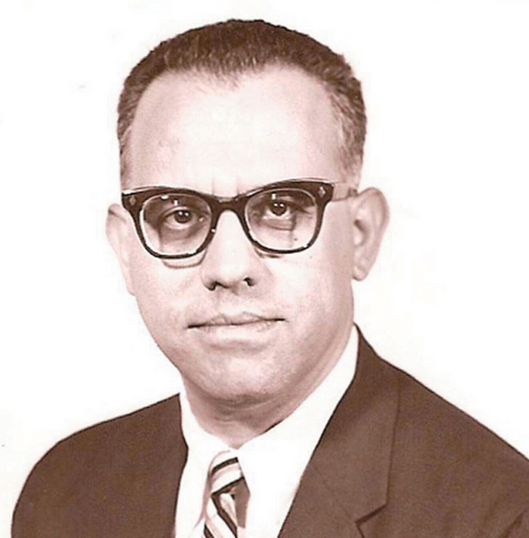
According to several reports that have seen the light of day, the “invisible” Greek agent was reportedly meeting at a CIA safe house rented for him by Lee Harvey Oswald. The man officially dubbed the assassin of John Fitzgerald Kennedy on November 22, 1963 in Dallas, a day that shocked the world.
Sixty-two years after the event that marked America’s modern history, George Ioannidis remains a “ghost” whose actions, especially his involvement in the Kennedy assassination, have not been cleared up.
On Thursday, December 15, 2022, then US President Joe Biden signed an executive order that left 44 files on the Greek agent top secret, as is the case with 1,066 other files in which his name has appeared for decades.
The secrets of the files
Some of them relate to Ioannidis’ meetings with Oswald in New Orleans and what transpired between them and still remain top secret, but not for long as investigators believe.

Biden’s successor in the White House, Donald Trump, signed an executive order a few days ago declassifying all files on the John Fitzgerald Kennedy assassination. And that, according to former CIA officials and investigators in the case, did not sit well with those with knowledge of the contents of the Ioannidis files.
An executive who never spoke to anyone about his years and activities in the agency, perhaps because some people don’t break, especially if they are made of the paste of a Greek agent. A few days after his death at age 68, on March 4, 1990, during surgery, a colleague said, “George may have been betrayed by his heart, but he never betrayed himself…”
According to the several versions of what he did, what has been written and the urban legends about the Ioannidis files to be declassified – it remains to be seen to what extent it will happen and how many blacked-out paragraphs there will be – what will be revealed is that senior CIA officials and the Greek agent, of course, knew Lee Harvey Oswald very well, and Ioannidis in particular reportedly had a very close relationship with him.
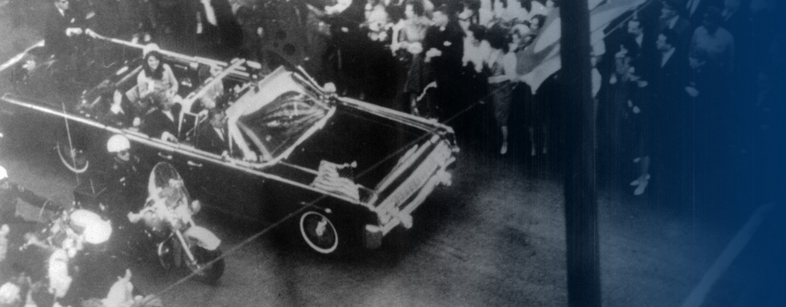
A month and a half before JFK’s assassination in Dallas, his assassin traveled to Mexico, a country that was then a stopover for Cubans who supported Fidel Castro and wanted to travel to the U.S. for propaganda purposes.
On October 10, 1963, CIA station chief in Mexico Walter Scott telegraphed the agency’s counterintelligence chief James Angleton about Lee’s arrival, asking: “Who is this Oswald?“
The same telegram is received by Tom Karamesinis, essentially the No. 2 in the agency hierarchy and mentor to Ioannidis, which highlights that Oswald was not unknown to CIA staffers.
Which by definition would put in the a difficult position the agency, which since 1963 has categorically denied knowing anything about the assassin of the American president. The same President that Ioannidis allegedly met and associated with when he was put in charge of Psychological Warfare operations at the CIA’s Miami station in 1962, in a very awkward position.
In fact, except for some top officials in the Central Intelligence Agency of the US, no one has seen Ioannidis’ files, which should have been declassified years ago. Something that never happened, as a ban was always placed on the 1,100 total files of the “invisible” agent who kept his mouth tightly shut after he retired from active duty.
By 1962 he was already counting twelve years in the service, the pupil of Tom Karamesinis and brother-in-law of the legendary George Callaris, who paved the way for him to be hired, all of them Greeks.
Ioannidis served twice at the CIA station in Athens, first in 1956 as an operations officer and in a covert capacity, that of a lawyer on matters relating to the American station, and returned to the Greek capital in 1964, a few months after JFK’s assassination.
The 24 agents
In Miami he had 24 agents under his supervision and an annual budget of $2 million, a huge sum for those years while handling the secret Psychological Warfare program to Cuba.
The American defeat at the Bay of Pigs shattered the CIA’s profile for good, and resulted in the dismantling of its previously powerful director Allen Dulles.
It was Dick Helms who took over the reins and placed George Ioannidis in Miami, who along with his team led a group of Cuban students who wanted to bring down Fidel Castro. Their organization was called the Revolutionary Student Directorate, and in August 1963 Lee Harvey Oswald contacted them, according to the book “CIA & JFK: The Secret Files of the Assassination.”
It was written by Jefferson Morley, a longtime investigative reporter for the Washington Post, who has spent decades digging into the untold secrets behind the Kennedy assassination. He discovered Ioannidis’ name in 1998, eight years after his death, talked to people who worked with him, CIA officials and family members.
As he writes in his book, Oswald showed up in Miami when Ioannidis had taken on his new role, initially posing as a guy who wants to make friends with Cubans fighting to topple the “bearded man”, aka Castro, from power.
In a completely opposite role, which remains to be explained why he played it when the Greek-American agent’s files are declassified, he then travels to New Orleans and starts handing out pro-Castro leaflets.
There he confronts dissident students, is arrested for disturbing the peace, goes to court, and a camera follows him down the street. Three months later, the whole world will know his name.
The return to Athens
It was a sunny day in Miami, but that was of no concern to Mr John Howard – Ioannidis’ nickname – who was holed up in his office on November 22, 1963.
When his young secretary came crying into the office after knocking once without waiting for an answer he knew something very serious had happened. “They shot President Kennedy in Dallas,” were the words that came out of her mouth, and Howard replied, “It’s sad what happened.”
Once the young woman left, closing the door, she dialed a number not listed in the phone book and connected to CIA headquarters in Langley saying: “Ioannidis here. Keep me informed of the goings-on in Dallas.”
The next few months would roll by in different America and the Greek agent would eventually leave Miami, after being transferred to the Athens embassy in 1964 as a CIA staff officer, cloaked behind diplomatic status.
On July 15, 1965, according to what has come to light, he was seen in the Parliament – although it sounds exaggerated that this particular venue was chosen for such a meeting – talking to MPs of the Center Union who a few hours later would defect and support the Athanasiades-Nova government.
During those years, Ioannidis was seen several times attending stormy meetings in the Hellenic Parliament, and he did two “tours” (stints) at the CIA station in Athens. He was a close friend of John Fatsea, who was the agent who acted as a liaison with Greece’s intelligence service, and is alleged to have played a role in the events leading up to the coup. A role that has yet to be clarified even today.
The retired agent and the Senate Committee
After Athens, Ioannidis was posted to the Philippines and then to Vietnam before returning to America, where he retired from the CIA in 1974 at the age of 51 after experiencing heart problems.
It is worth noting that his role in the Kennedy assassination and his relationship with Lee Harvey Oswald and his name was nowhere to be found in the 26 volumes of the Warren Commission nor in the 12 volumes of the Assassination Commission resulting from the 1978 investigation, that brought the by now-retired George Ioannidis back to the CIA, which appointed him – not coincidentally – as the liaison between the commission and the agency to supply its members with the material they would request.
At one of its meetings, when the issue of the Cuban students in Miami was being discussed, committee members asked Ioannidis for the name of the CIA’s chief agent handling them. They had him in front of them, but of course they didn’t know it, so the “invisible” spy replied that he would look into the matter and answer them at the next meeting, which of course he never did.
How much he wanted to help the commission was also shown another day when Dan Hardway, then a young law student assisting members of the Assassination Commission, was waiting for his CIA contact to deliver declassified documents related to the JFK assassination.
He barely noticed the gentleman with myopic glasses who suddenly appeared in front of him, looked at him with a look as if he were weighing him, and handed him a thin envelope containing only a few pages, but did not leave.
When Hardway looked at him again, the kindly gentleman said to him in a voice that admitted no question: “That’s all you’ll get.” As he left, the young student did not forget the name on the card of the CIA liaison to the committee, for it was not only very distinctive but also unusual: “George Ioannides.”
Ask me anything
Explore related questions