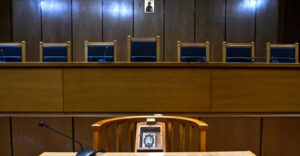
Court Sides with Lawyer in Legal Battle Against Meta
The decision is seen as a legal milestone that could have broader implications for digital rights and platform accountability
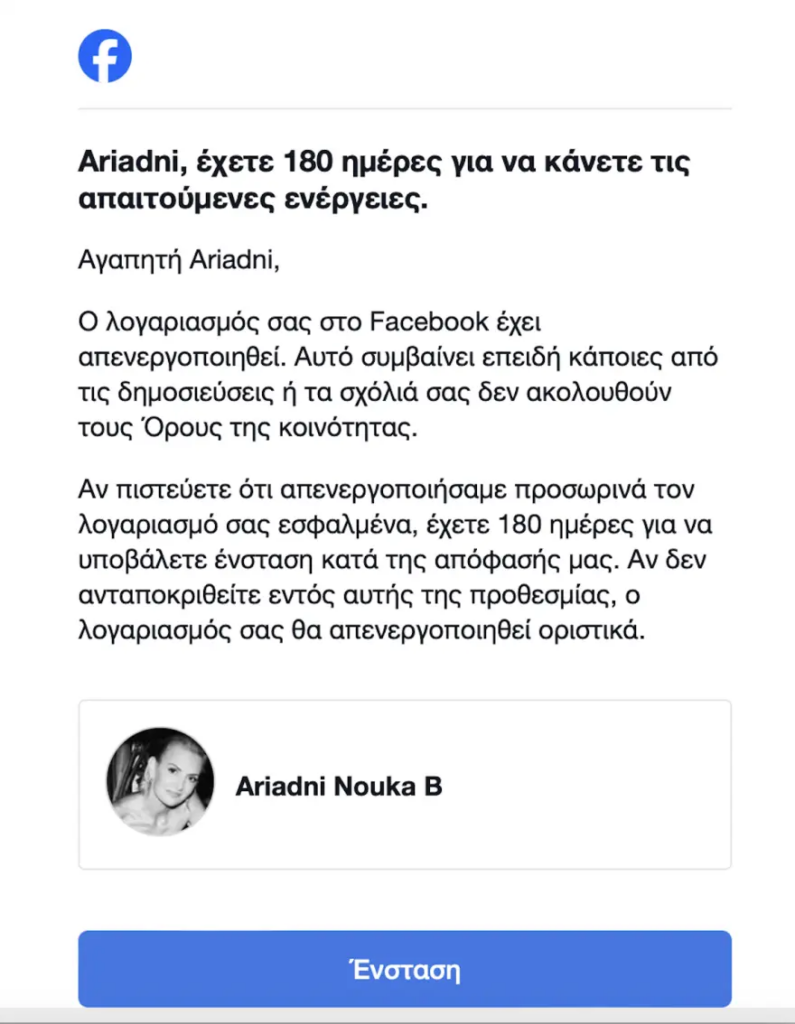
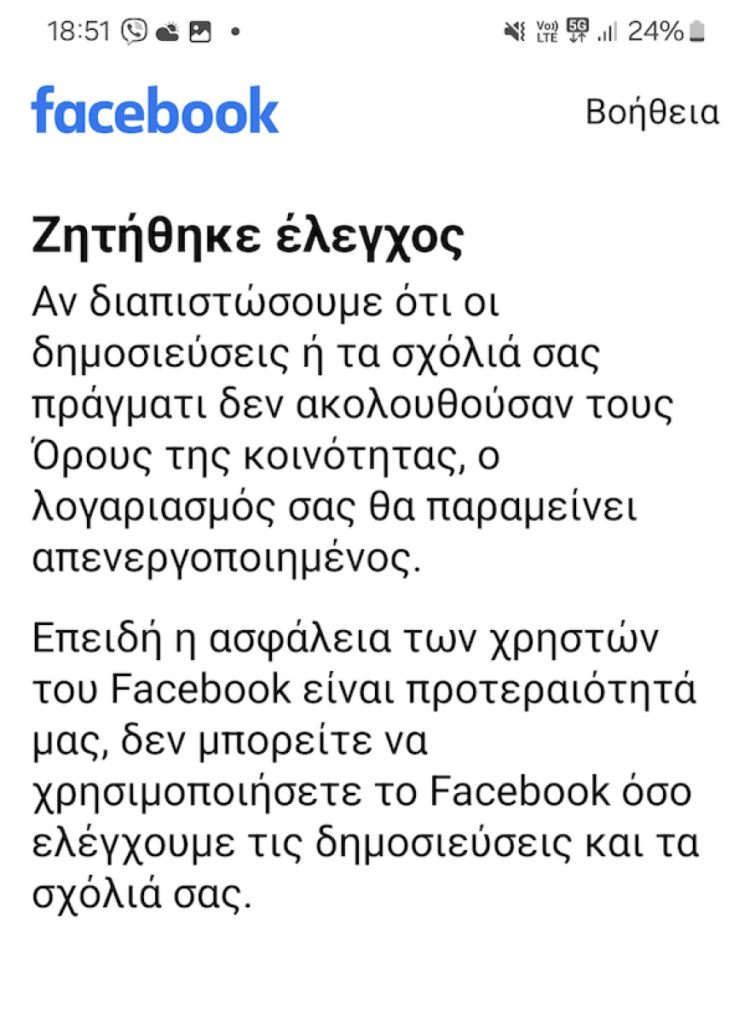
The court granted a temporary injunction requiring Meta to restore the accounts of lawyer Ariadne Nouka, which had been deactivated without prior notice. The suspension not only cut off her access to the platforms but also put at risk the permanent loss of valuable data.
What makes the case particularly striking is the timing of the deactivation. Nouka’s accounts were suspended just minutes after she removed a video from her Facebook page featuring her recent television appearance on Mega, where she discussed upcoming legislative changes concerning loans in Swiss francs. This was reportedly the third instance of content removal related to the same issue before Meta disabled her accounts entirely—without completing an internal review process she had initiated with the platform’s Oversight and Evaluation Committee.
Meta Accused of Lack of Transparency and Censorship
Nouka alleges that Meta provided no clear or specific justification for the deactivation of her Facebook, Messenger, and linked Instagram accounts. Furthermore, she was not given a meaningful opportunity to appeal the decision. Instead, she was only allowed to submit a standard objection, which was subsequently rejected without explanation.
In her legal filing, Nouka argues that Meta violated the European Union’s Digital Services Act (DSA) by failing to adhere to strict transparency rules regarding content moderation and account suspensions. She highlights the platform’s lack of due process, emphasizing that users should be granted the right to be heard before facing punitive actions such as account deactivation. Additionally, she stresses that Meta’s actions infringe upon fundamental rights, including freedom of expression and access to information.
Nouka is not only demanding the immediate reinstatement of her accounts but also seeking legal safeguards to prevent future arbitrary deactivations. She further requests that Meta correct its internal records to remove any alleged violations assigned to her account without basis.
A Ruling That Sends a Strong Message to Big Tech
The Greek court’s decision is being hailed as a strong message to Meta and a crucial step toward greater transparency and accountability in digital platforms. Legal experts believe this case could set a precedent for similar disputes, reinforcing the need for stricter oversight of Big Tech’s content moderation practices.
In a statement to Proto Thema, Nouka described the ruling as a “decisive first step in protecting the fundamental rights of digital platform users.” She criticized Meta’s opaque and arbitrary decision-making process, accusing the company of failing to provide a legitimate justification for its actions.
“The court’s ruling proves that digital platforms cannot act as absolute rulers of the internet. They must respect user rights and comply with strict transparency and accountability standards,” Nouka said. “Freedom of expression and access to information are fundamental rights that must be protected, regardless of a platform’s size or influence.”
She further emphasized that the removal of her previous posts—before a full review was even completed—suggests a targeted effort to silence discussions on the Swiss franc loan issue, which affects thousands of citizens.
“This was not a coincidence,” she argued. “Who was behind the decision to target my posts on such a critical social issue? The court’s ruling sends a clear message: Big Tech opacity and arbitrary censorship will not be tolerated.”
What This Means for the Future
This landmark case could serve as a turning point in the ongoing debate over tech companies’ responsibilities in content moderation and free speech. With the EU’s Digital Services Act introducing stricter regulations on platform accountability, rulings like this could pave the way for greater protections for users across Europe.
As the battle for digital rights intensifies, the question remains: Will this ruling push Meta to rethink its content moderation policies, or will similar legal battles emerge in other countries?
Ask me anything
Explore related questions