





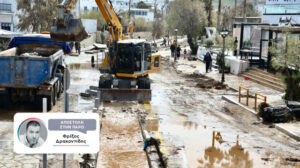
The waters rushing down from Paros’ mountains didn’t care for “urban renovations” or new asphalt. They followed their natural course—right where a stream once flowed. Today, that old streambed is the sole road leading to the center of Naoussa, the island’s crown jewel, which was transformed in minutes into a scene of devastation.
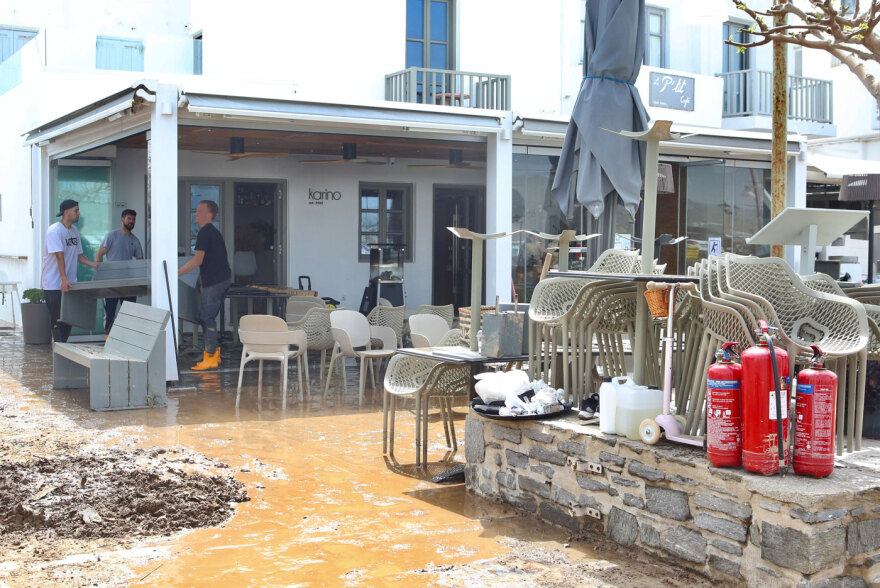
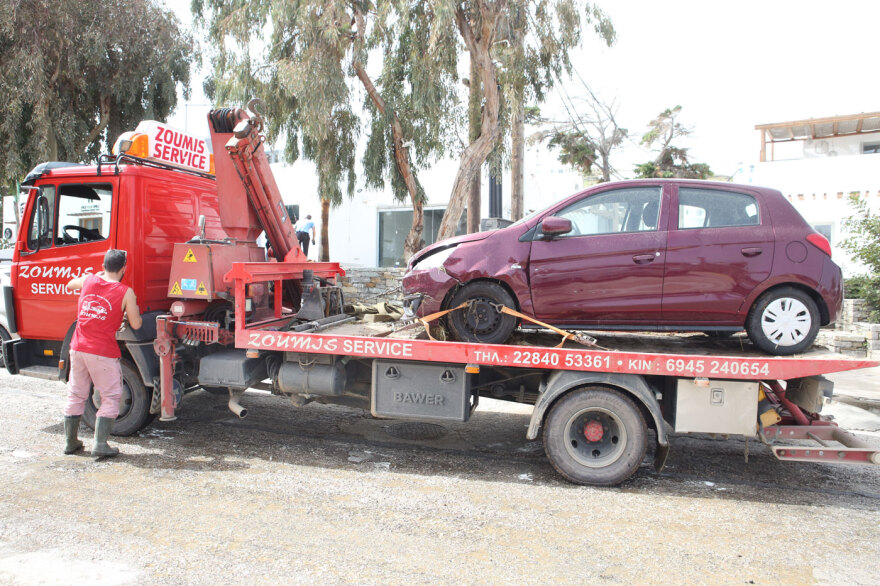
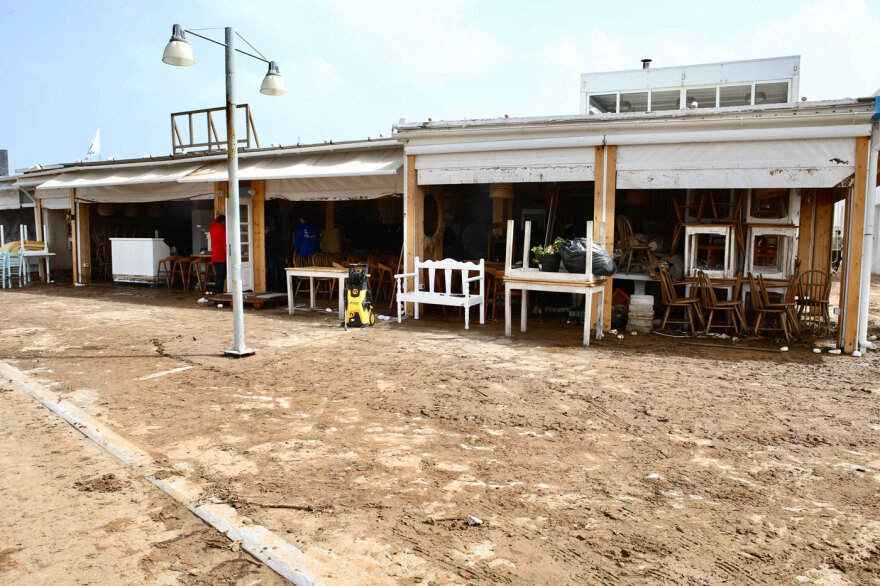
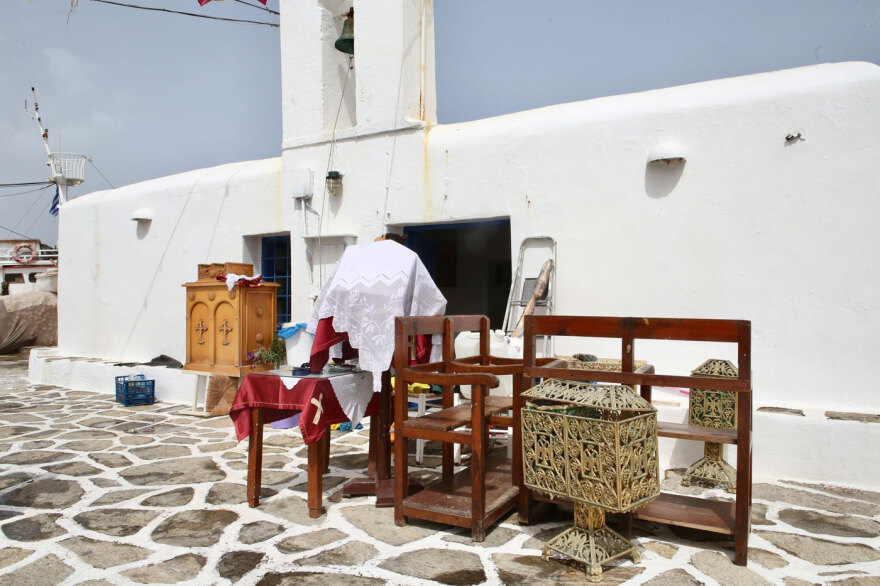
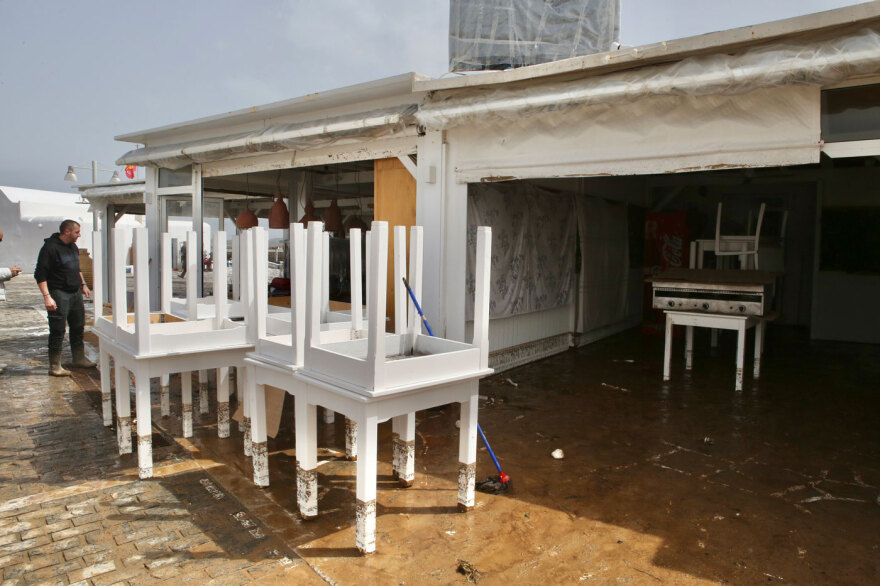
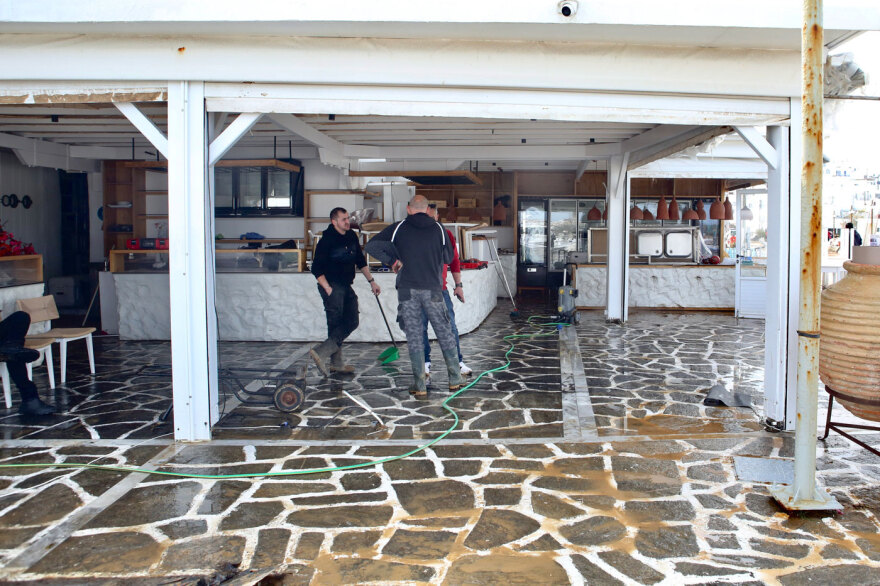
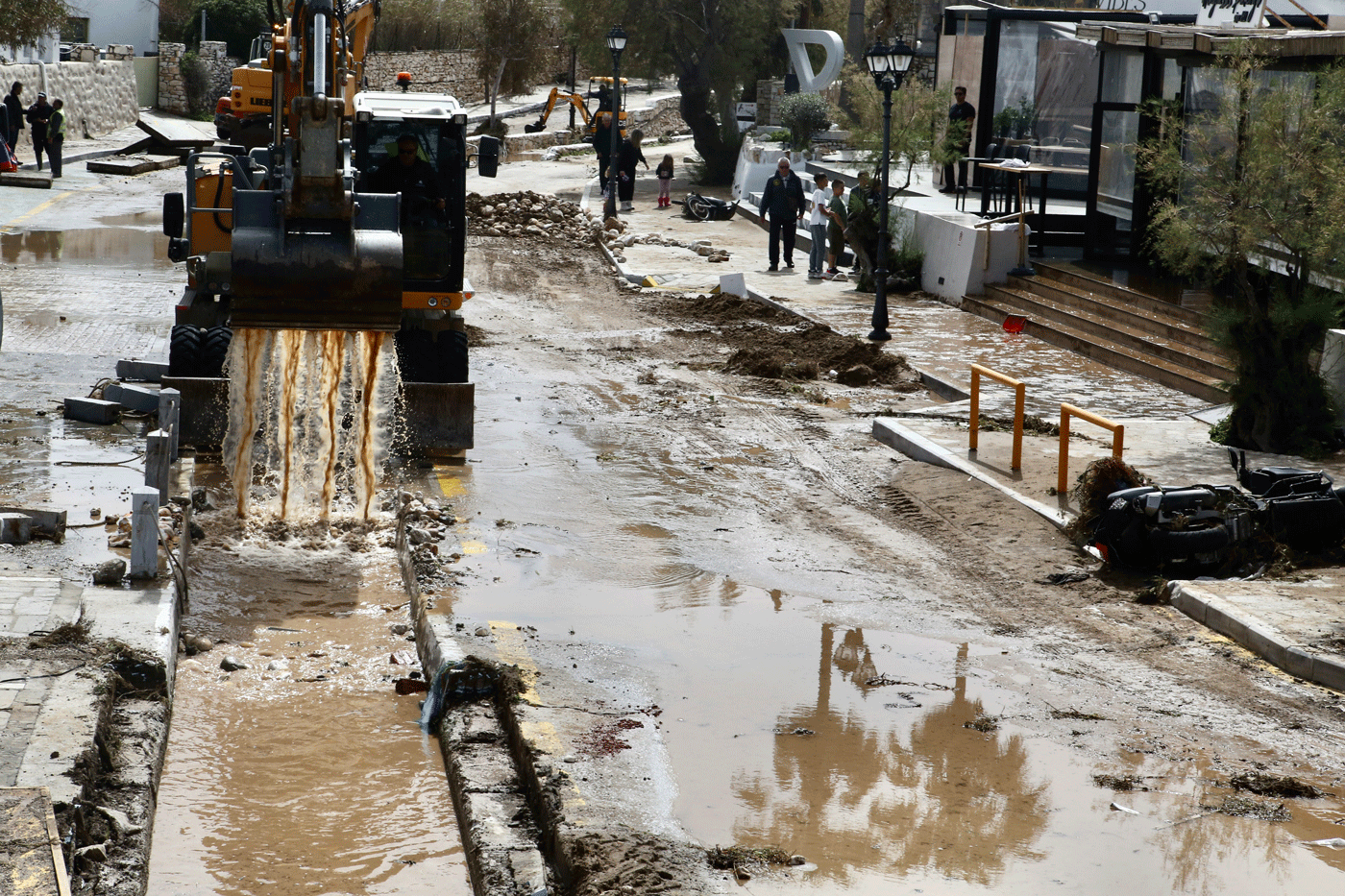
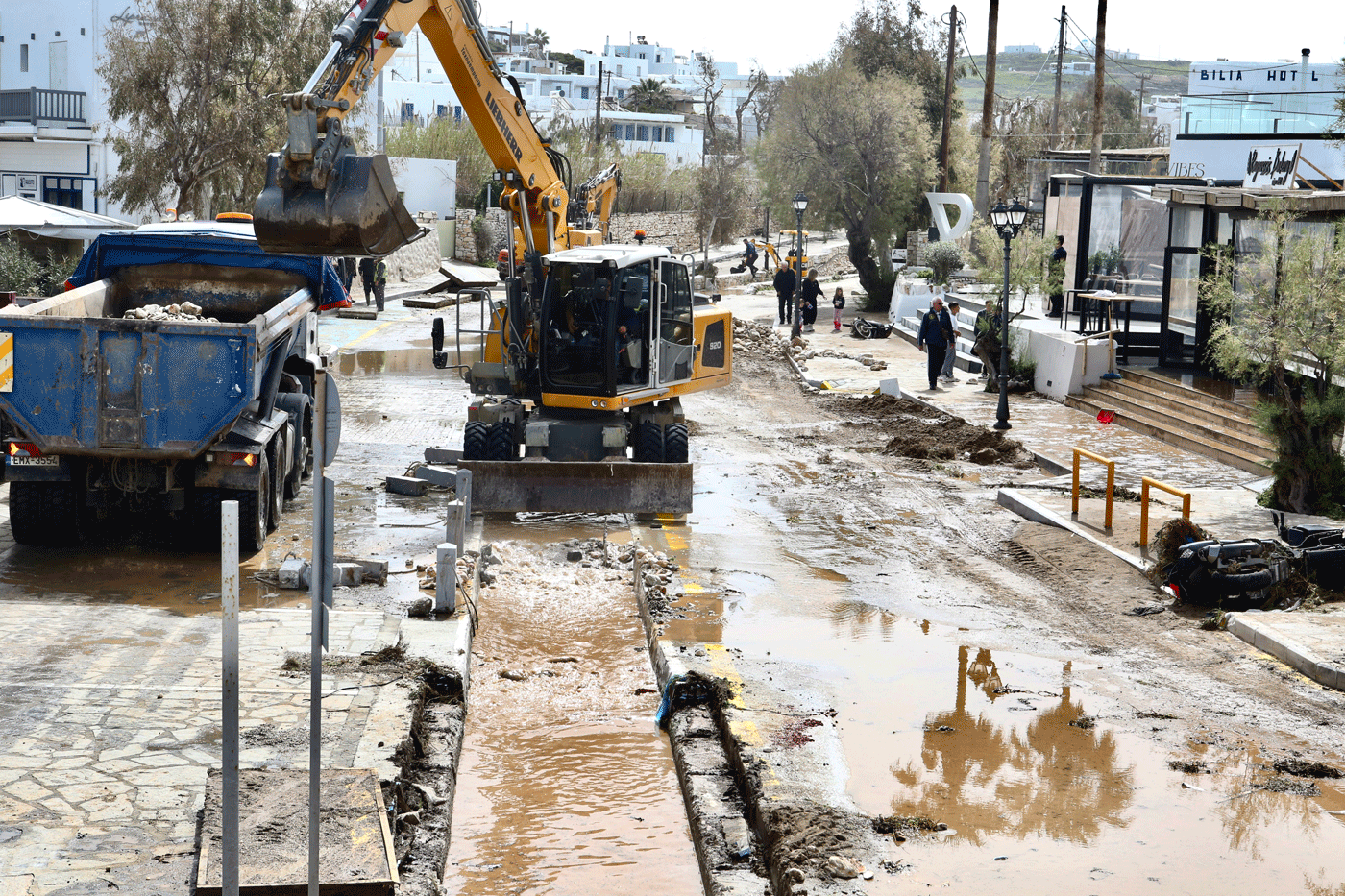
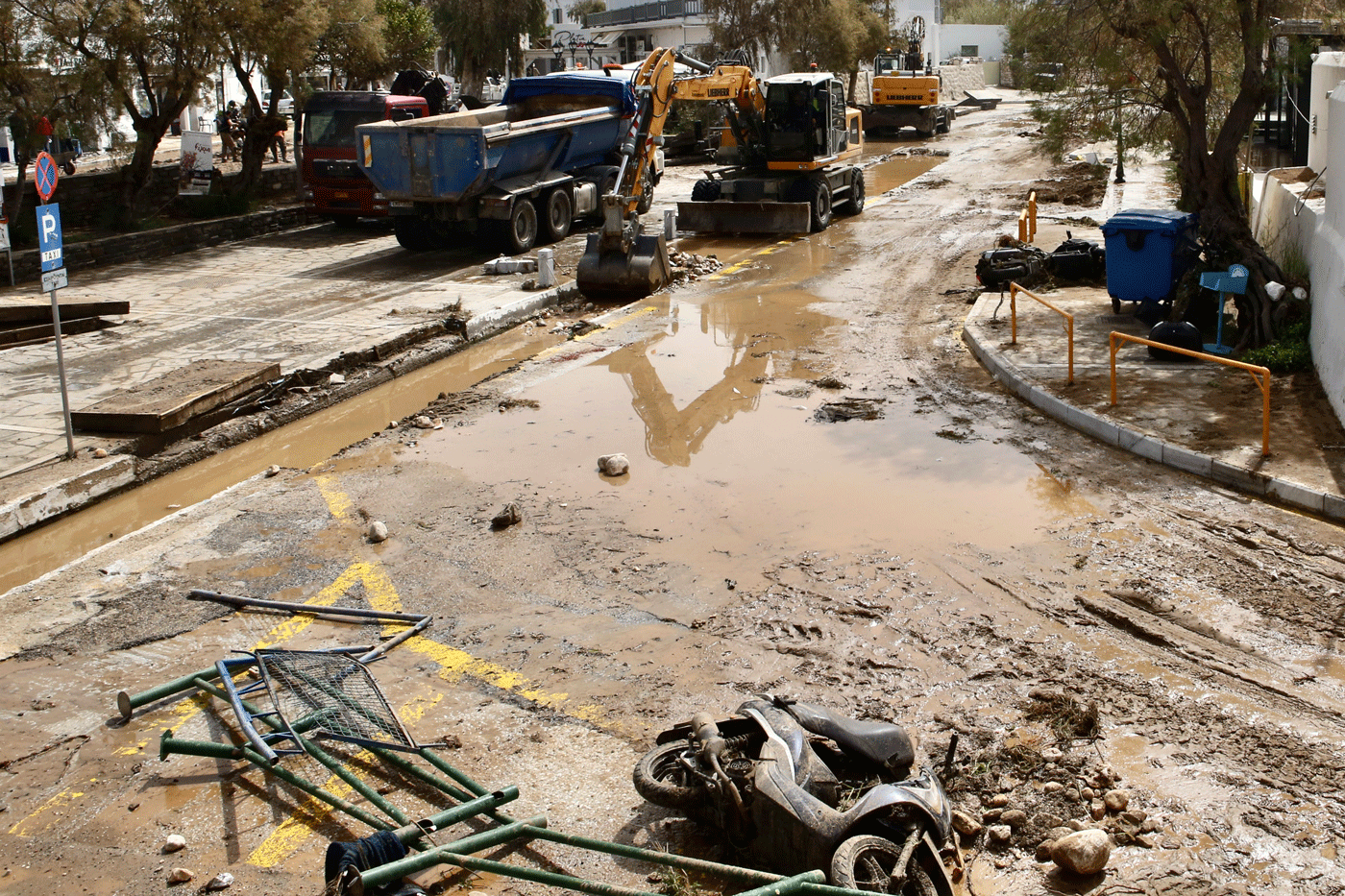
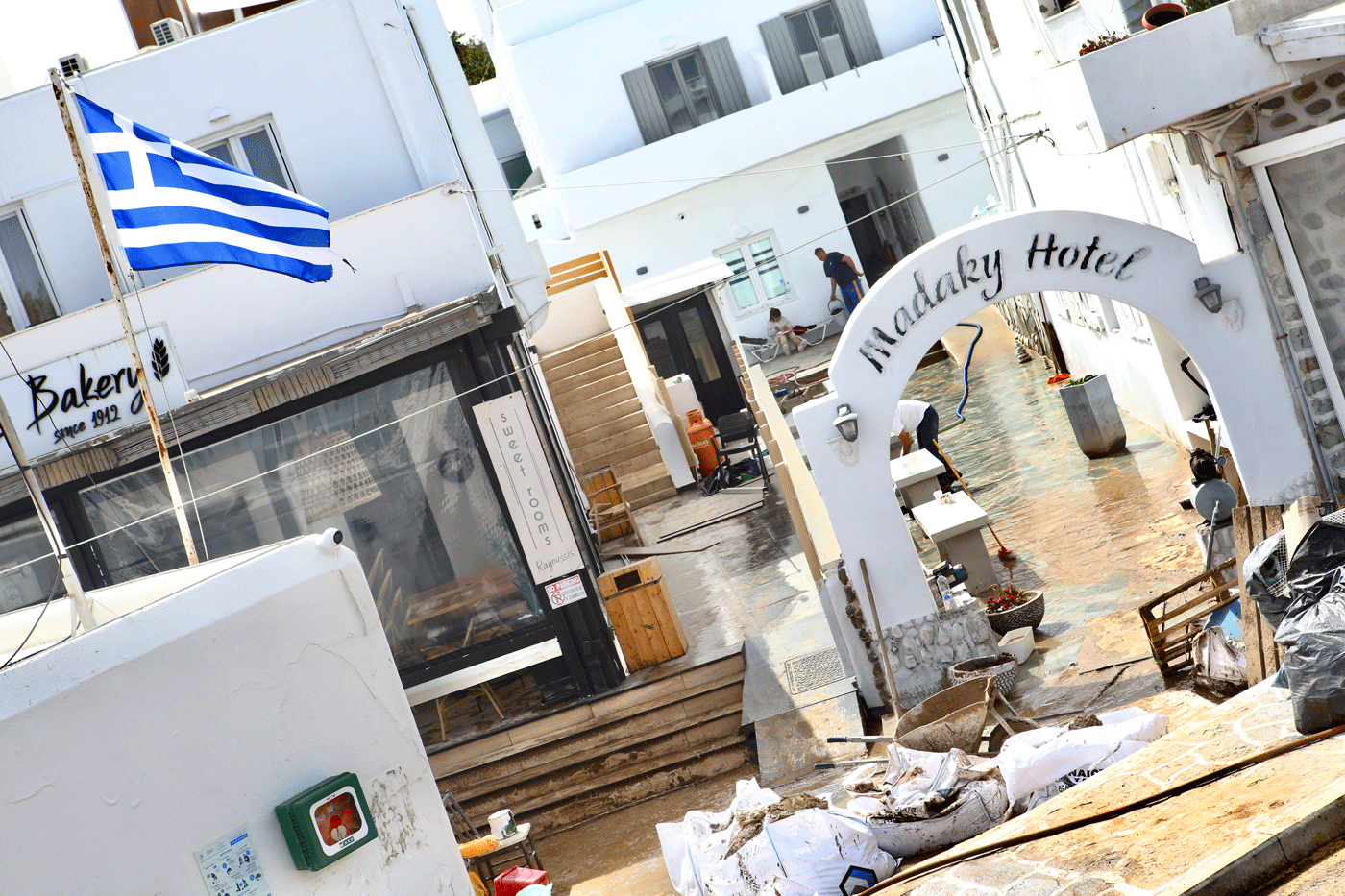
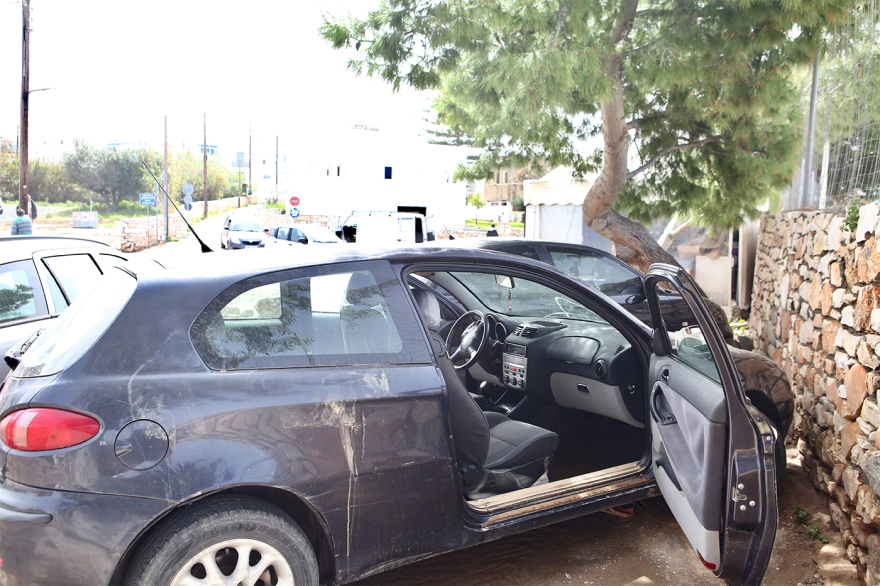
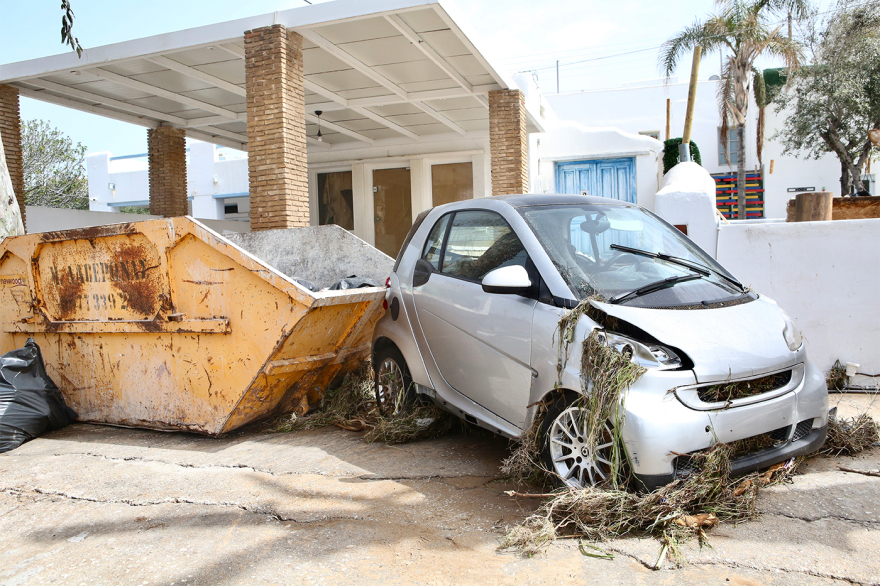
The violent storm that struck Paros on Sunday afternoon left behind apocalyptic images: overturned cars—some swept into the sea—flooded homes, debris, rocks, mud, and wood scattered everywhere. Roads became torrents, sidewalks disappeared, and the once-picturesque port of Naoussa turned into a vast muddy pond.
The Waters’ Path Down the Road – Report from Paros
The epicenter of the destruction lies on a particular road: the main access route to the port. According to local residents, this road was once a riverbed—a natural watercourse—that was paved over to meet the traffic demands of the settlement. The issue, known for decades, was never adequately addressed. As a result, every heavy rainfall turns this area into a deadly trap for drivers and residents.
Why Did So Much Damage Occur?
Speaking to protothema.gr, Haris Giourtzidis, the Head of Civil Protection for the Municipality of Paros, defended the municipal authority’s preventive actions:
“We left warning notes on all cars parked along the road leading to the port. We had warned the public. Unfortunately, they didn’t listen. The cars remained there and were swept away by the water,” he said.
However, locals offer a very different—and unequivocal—account: the blame, they say, cannot be placed on citizens left helpless and uninformed.
“They can’t expect us to move our cars every time the river ‘wakes up.’ The municipality is solely responsible for not ensuring an alternative access route to Naoussa. We’ve been asking for a solution for years and all we hear is, ‘We’ll look into it,’” a resident of Naoussa said with frustration.
In reality, Naoussa has no second road for vehicle entry and exit. The conversion of the stream into a one-way street, combined with the absence of flood protection infrastructure, exposes a gaping hole in urban planning. The problem worsens each year, especially with the surge in tourism and increased traffic.
In the effort to preserve the traditional charm of the settlement, the most basic priority seems to have been overlooked: the safety of people and infrastructure.
Recovery Efforts Underway
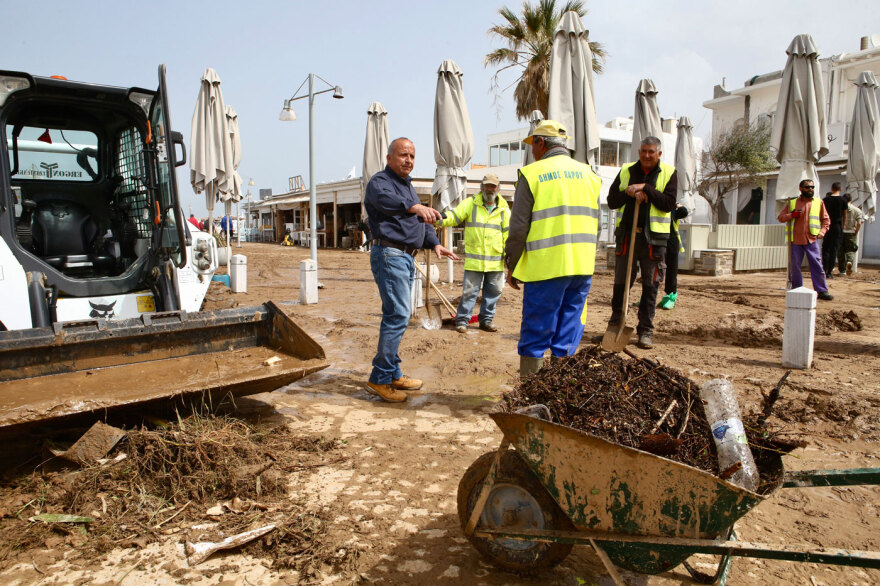
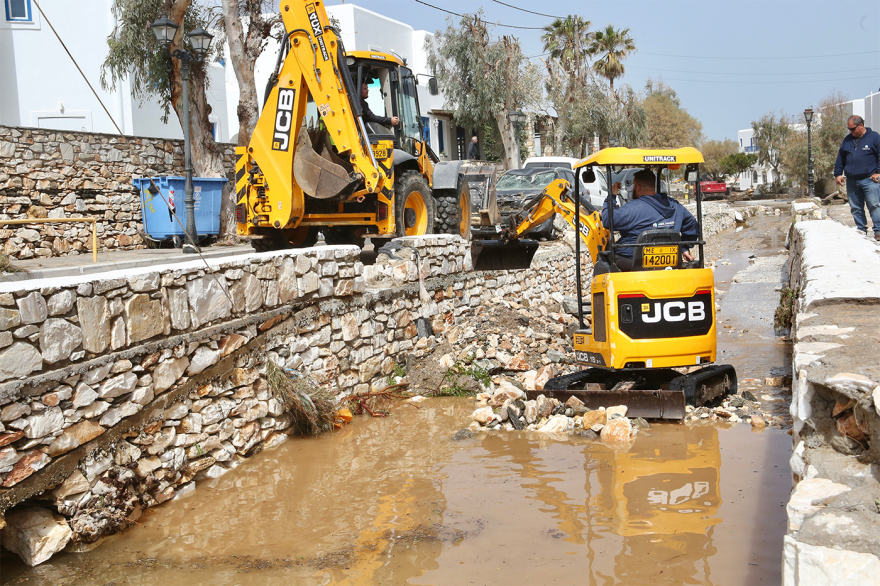
At dawn on Monday, once the storm had passed, municipal excavators began the clean-up. With the help of crews, they are working to clear roads of mud and remove debris clogging drains and stormwater outlets. However, the scale of the destruction makes their task Herculean.
The Causes
The real question lingers: how many more storms, how many more “natural disasters” will it take before the right decisions are made? Nature doesn’t forget. And, as shown in Paros, when you cover a natural watercourse with asphalt and ignore it, the day will come when it pays you back—with interest.
Ask me anything
Explore related questions




