


China is currently facing a major demographic crisis as the marriage rate is declining, leading to an alarming increase in the illegal trafficking of brides from neighboring countries.
According to an article in The Conversation, there were specifically 6.1 million marriage registrations nationwide in 2024, down from 7.7 million the year before. This decline prompted Chen Songxi, a Chinese national political adviser, to propose lowering the legal age of marriage from 22 to 18.
This is due to a combination of cultural expectations, economic challenges and the long-term effects of the one-child policy, which has led to a gender imbalance, leaving millions of men struggling to find husbands. As a result, human trafficking networks have stepped in to fill the gap, exploiting women from poorer countries and forcing them into marriage. This disturbing trend highlights the dark side of China’s social and economic development and raises urgent human rights concerns.
Desperately searching for a bride
Single men in China have become part of the so-called “age of the remaining men” (shengnan shidai in Chinese). It is a term for the Diaspora that refers to the period between 2020 and 2050, when an estimated 30 to 50 million Chinese men will be unable to find a wife.
In recent years, then, the marriage rate in China has plummeted. In 2022, the country recorded its lowest number of marriages since the government began tracking the data in 1986, with several factors contributing to this decline:
– Changing attitudes toward marriage: Younger generations are prioritizing career, personal freedom and financial stability over traditional family structures. Women, in particular, are delaying marriage or choosing not to marry at all.
– High cost of marriage: Housing prices, wedding expenses, and the traditional expectation that men must provide financially discourage many from entering into marriage.
.
– In addition, the widespread use of ultrasound technology since the mid-1980s, which offered parents the ability to terminate a pregnancy if their child was female, has brought about a major gender imbalance. Typically, in the early 2000s, the sex ratio at birth in China was 121 boys for every 100 girls.
– Economic uncertainty: Slower economic growth and rising unemployment make marriage and family formation less attractive, especially among urban youth.
As marriage rates decline, single men – particularly in rural areas – are finding it increasingly difficult to find Chinese brides, leading to an increase in demand for foreign women.

Trade in brides
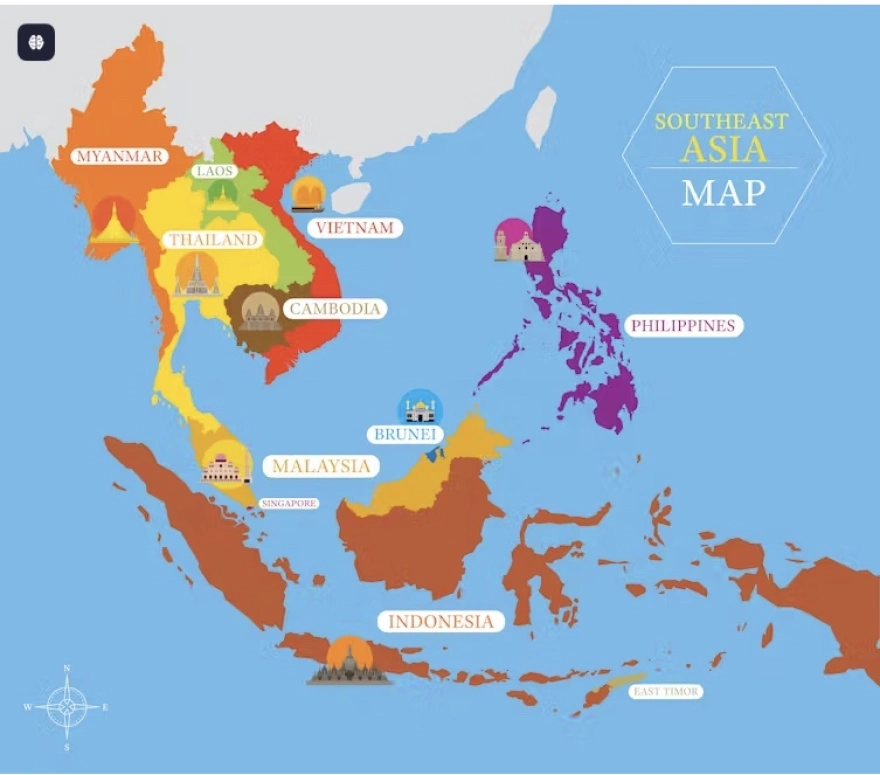
The above has fuelled a black market for brides trafficked from neighbouring countries such as Myanmar, Vietnam, Cambodia, Laos and North Korea. Desperate families and criminal organizations exploit women from poor families, luring them to China with false promises of jobs, education or a better life, only to force them to marry.
The consequences of bride trafficking are severe, both for the victims and their families back home. Many trafficked women suffer domestic violence, sexual abuse and forced pregnancy. Trapped in unfamiliar environments with no support system, they often suffer in silence. Victims who manage to escape or return to their countries of origin often face stigma and rejection. Families may refuse to accept them because of the shame associated with human trafficking and forced marriage. Children born to trafficked brides in China often lack legal recognition, making it difficult for them to access education, healthcare and basic rights.
How human trafficking networks operate
The Human Rights Watch reports that women and girls from neighboring countries are commonly deceived by brokers promising well-paid work in China. Once in China, they are at the mercy of the brokers and sold for between US$3,000 and US$13,000 (£2,300) to Chinese men. But how exactly does this network work?
Recruitment: Traffickers often target women from economically distressed areas, using deception or outright kidnapping to bring them to China.
Sale and marriage: Upon arrival, these women are sold to Chinese men, sometimes through online platforms or brokers who arrange transactions for tens of thousands of dollars.
Control and exploitation: Many trafficked brides are deprived of their identity, kept under surveillance and subjected to abuse if they attempt to escape.
Lack of legal protection: Many foreign brides have no legal status in China, making it difficult for them to seek help or return home.
The scale of the problem is difficult to quantify, but reports from human rights organizations and law enforcement agencies suggest that thousands of women are trafficked into China every year. Chinese authorities constantly warn of scams involving brides bought from abroad. In November 2024, for example, two people were prosecuted for their involvement in an illegal cross-border matchmaking scheme. Chinese men were lured into extremely expensive overseas “honeymoons” with promises of “affordable” foreign wives.
Is there a solution?
To effectively combat bride trafficking, China and its neighboring countries must adopt a multi-pronged approach. Long-term social reforms are needed to correct the gender imbalance. Encouraging gender equality, changing cultural norms and supporting single men and women in alternative life choices could help reduce the demand for foreign brides.

However, China seems to be going in a slightly different direction, as what matters most is efficient labour – the quantity as much as the quality of the workforce, namely men. Although there are efforts to mitigate this, the large number of men left is a major concern. The question of who China’s remaining men will marry is therefore becoming a pressing issue now for Beijing, with the government’s response shaping the country’s future for decades to come.
Ask me anything
Explore related questions