





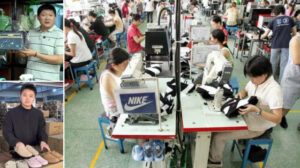
Have you always wanted a Birkin bag but were missing the $38,000 and couldn’t stand waiting a whole year on a waiting list? No problem — the trade war between the U.S. and China might just make your dream come true. Because while trade wars cause losses, they also create opportunities.
One of China’s biggest bargaining chips right now is that it controls 80% of global luxury goods production. Gucci, Hermès, Dior, Louis Vuitton, Chanel, Ferragamo, Ralph Lauren, Tom Ford, Jimmy Choo — you name it — all produce everything from clothing to handbags and accessories in China, then ship them to France or Italy to slap on a logo.
Now, as all these brands face 145% tariffs and risk losing the U.S. market, and as their CEOs consider moving part or all of their production out of China, Beijing is warning them: if you move production, the same Chinese manufacturers who make your goods will start selling them directly at production cost — in the bargain bins.

Levi’s Factory in China
According to French media, China is considering giving a green light to counterfeiting — especially targeting American luxury brands — in retaliation for Trump’s new tariffs.
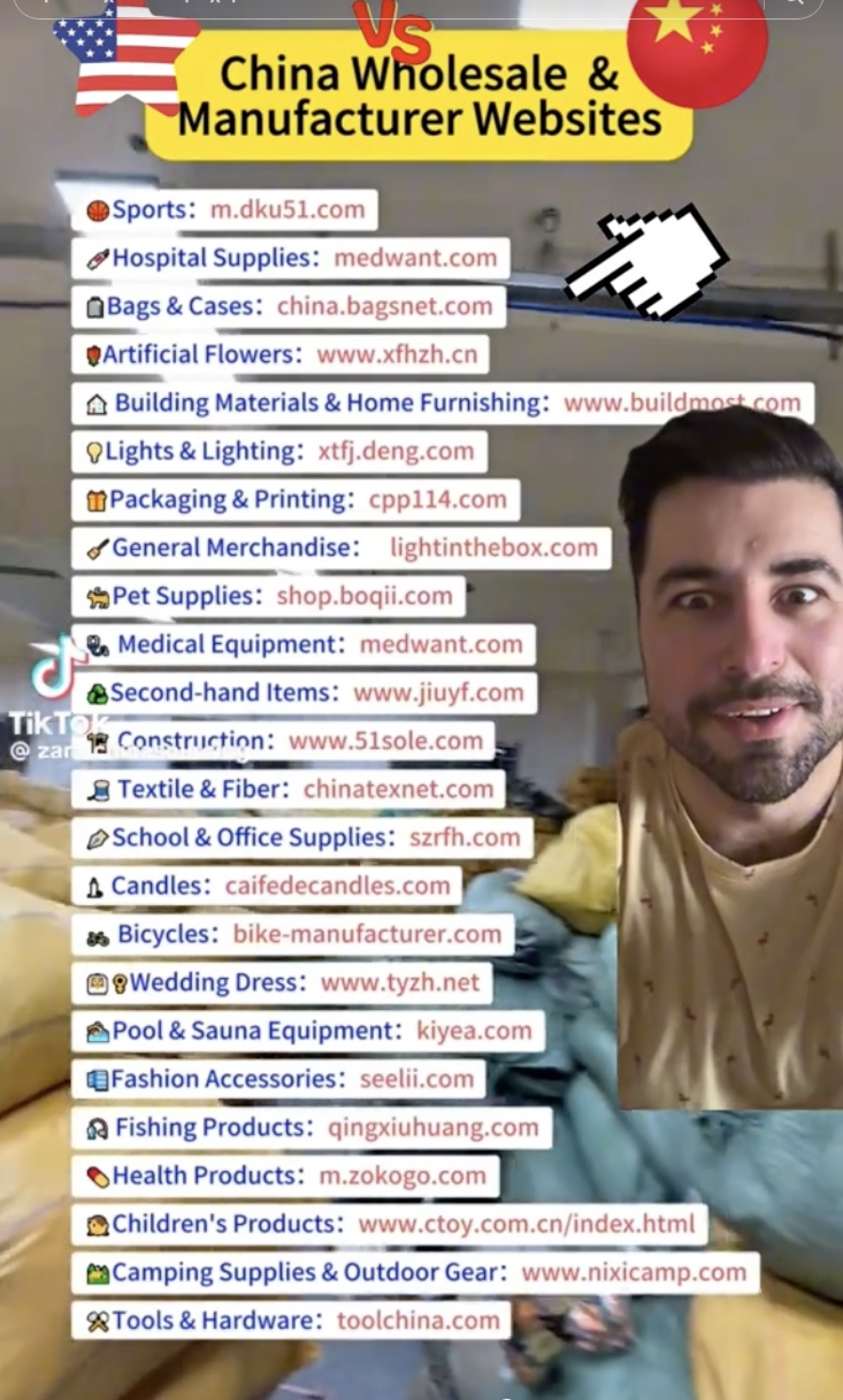
Chinese manufacturers have taken to TikTok to post videos exposing the massive profits luxury brands are making and how deeply they rely on Chinese factories and cheap labor. They’re now encouraging consumers to buy products directly from them.
In these videos, they reveal that luxury products are produced at a tenth or even a twentieth of their retail prices in Europe and the U.S. Hermès’ Birkin bags cost about $1,400 to make but sell for $38,000 to $2 million in Paris. Nike, Adidas, and Puma produce sneakers for $10 per pair in China and sell them for $150 in the U.S. Michael Kors, Calvin Klein, Ralph Lauren, Tom Ford, Jimmy Choo — all have similar 1:20 cost-to-retail ratios.
Li Qiang’s Proposal that Opened Pandora’s Box
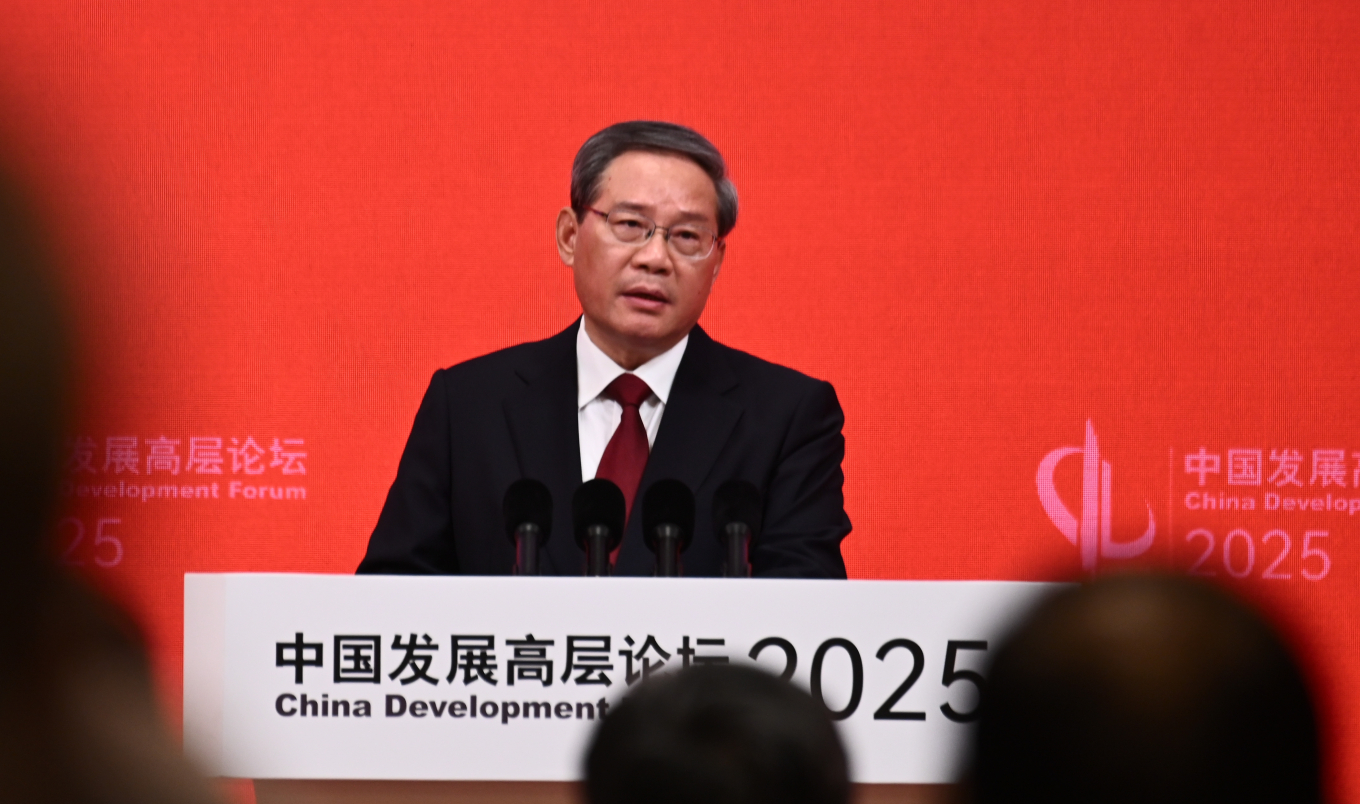
On April 4th, Chinese Premier Li Qiang presented a series of measures to China’s State Council in response to Trump’s new tariffs on Chinese imports. Among them, one measure particularly worried the U.S. luxury industry: it is now legal for Chinese companies to copy American brands and patents.
This announcement reversed more than five years of progress in China’s fight against counterfeits. Under pressure from the U.S. and global brands, China had introduced stronger IP protections since 2019, including legal reforms, heavier penalties, and crackdowns on fakes.
China Had Previously Boosted IP Protections
Beijing had committed to better protect trade secrets and pushed major platforms like Alibaba, Taobao, and JD.com to crack down on fakes. Brands like Louis Vuitton and Cartier even partnered with Chinese platforms to improve product traceability.
But this sudden U-turn now has American luxury giants like Ralph Lauren, Tom Ford, Calvin Klein, Coach (Tapestry), Jimmy Choo (Capri), and The Row — frequent targets of counterfeiting — fearing a flood of high-quality fakes. Even beauty brands like Estée Lauder and La Mer are affected.
The fear is greater because China — where most of these brands manufacture their goods — now has the power to mass-produce near-identical products using the same materials, workers, and factories. Li emphasized this point: “We’re not talking about low-grade fakes. We mean identical products, same materials, same artisans, same factories as the originals.”
Russia Did Something Similar Post-Sanctions
After the 2022 invasion of Ukraine, Russia legalized “parallel imports” as a workaround to sanctions — allowing fake or unauthorized goods into the country without proving IP ownership. This has led to a flood of counterfeit goods across the EU via Turkey.
TikTok Flooded with Factory Whistleblowers
One user on X (formerly Twitter) posted a video of a man promoting fake luxury goods and commented: “Chinese TikTok is playing a dirty game. Now that the government has legalized counterfeits of all American brands, they’re exposing how the products are made and urging people to buy factory-direct.”
In the video, the man shows off bags resembling luxury designs, saying: “For more than 30 years, we’ve been the OEM factory for most luxury brands globally. But we only earned our wages. The profit margins for us are tiny…”
He continues: “We have the best quality control. The best craftsmanship. Chinese workers are smart and meticulous. We have the most complete supply chain — we get everything we need right away: zippers, accessories, leather in any color.”
Dior’s Knitwear Comes from Hangzhou
Another video features a woman revealing that Dior’s knitwear comes from Beyond Garments in Hangzhou — also a supplier for Sandro, Maje, Versace, and others.
From $1,000 to $2 Million: The Birkin Price Mystery
In a News Nexus Official video, a Chinese factory owner broke down the cost of every Birkin bag component, showing how it costs just over $1,000 to make, even though Hermès sells them from $10,000 up to $2 million.
Dior, Lancôme, and L’Oréal All Sourced from Thai Ho Group
“The cosmetics from Dior are actually made by the Thai Ho Group,” one woman says. “They also supply Lancôme and L’Oréal.”
In another clip, a woman says luxury brands will hate her for revealing their supplier secrets — and proceeds to name names.
Only $5 for Chanel Cosmetics
A similar TikTok shows a Chinese user revealing that Chanel cosmetics cost just $5 to produce in China. The products are shipped to France where only the luxury logo is added. She calls it “brand brainwashing” — arguing that consumers wrongly believe luxury equals “not made in China.”
She says: “42% of Chanel’s cosmetics are made by Chinese artisans. We don’t make ‘cheap goods.’ We make subtle luxury.”
One commenter said: “Chinese manufacturers selling designer products directly to consumers without the status appeal is like Twitter/X selling blue checks to everyone.”
Another joked: “I see Trump coming for TikTok soon.”
Someone else wrote: “This TikTok drama exposing luxury brands is wild. Seeing factories show how they make Gucci bags for pennies while we pay thousands is eye-opening. I get the trade war angle, but if it’s the same factory, same materials — why the markup? Makes you question that ‘Made in Italy’ tag. I’d prefer transparency over marketing games. What do you all think? Let’s talk.”
Ask me anything
Explore related questions




