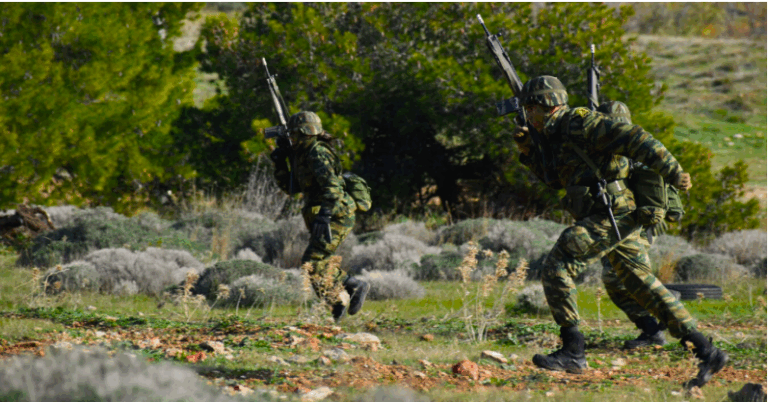
In a significant move aimed at bolstering Greece’s national defense, the Minister of National Defense, Nikos Dendias, will unveil a new training model with a strong emphasis on drone technology during a seminar today at the Military Academy of Evelpidon. This briefing, titled “Reorganization of the Reserve Institution,” is part of a broader initiative to transform the country’s reserve forces.
Following the recent unveiling of a Long-Term Defense Procurement Plan, the Ministry is now turning its attention to the human resources within the Armed Forces, with an ambitious goal of establishing a potent reserve force of 150,000 active reservists over the next five years.
According to sources within the Ministry, the reorganization of the reserve system is a top priority under the “2030 Agenda.” As emphasized by Dendias, the “Citizen Army” has been a cornerstone of Greece’s defense since ancient times and remains critical today.
The plan aims to create a modern, institutionally recognized reserve force through the adoption of a dynamic model that prioritizes ongoing, realistic operational training. This approach is designed to deliver significant added value to participants, while also recognizing their crucial role in contributing to the nation’s defense.
Currently, the reserve system does not meet the needs of the Armed Forces. While all individuals completing their military service are classified as reservists, very few engage in additional training post-discharge to prepare for potential future duties. For example, in 2024, about 28,455 reservists were called back for retraining, but only around 14,203—less than half—reported for duty for various reasons. This shortfall highlights the urgent need for structural changes and a comprehensive overhaul of the reserve and retraining systems.
To address these gaps, the new active reserve institution will be introduced. The aim is to achieve a robust active reserve force of 150,000 individuals, fully trained and ready to support regular service members and permanent staff in meeting operational demands.
Given the changing geopolitical landscape and the threats facing Greece, it is vital to engage citizens willing to contribute to national security. A major change in the active reserve system will center around voluntary participation; conscripts will be invited to indicate their interest in joining the active reserve upon discharge. The initial design allows for mandatory participation only under specific conditions, such as in particular specialties or when voluntary enlistment does not meet operational requirements.
Moreover, the training content for reservists will be upgraded in line with advancements in technology and lessons learned from recent conflicts. Best practices from countries that excel in reserve training, such as Finland and Israel, will inform these enhancements, including the use of modern simulation tools and rigorous examinations of emerging combat tactics.
Each reservist will be expected to undergo at least one cycle of retraining, lasting 3 to 6 days, every 3 to 5 years. In total, reservist soldiers could accumulate up to 80 days of retraining before reaching the age limit, while reservist officers will aim to complete a minimum of 150 days.
The plan also emphasizes that reservist duties should not interfere with the professional obligations of those participating in retraining. Financial measures will be put in place to compensate individuals for days missed at work due to their reservist responsibilities.
In tandem with these structural reforms, the Ministry is planning to establish two Reserve Retraining Centers at strategic locations in Greece, aiming for quality training delivered by specialized personnel while ensuring the ongoing functionality of military units.
With the introduction of an electronic summons system for reservists, communication will be streamlined, allowing for swift mobilization and updated notifications regarding training requirements. The goal is to foster a prepared and responsive reserve force that can effectively safeguard Greece’s national sovereignty.
As the country navigates its current geopolitical challenges, the revitalization of the reserve institution is not just an administrative task but an essential step toward reinforcing the foundation of Greece’s national defense. By integrating modern techniques and fostering a culture of service among its citizens, Greece can strengthen both its military capabilities and its broader security landscape.
Ask me anything
Explore related questions